A farewell tour through the flats, fashions and fixations that defined our design editor’s 22 years at PostMag
Explore the evolution of Hong Kong’s residential design, from microflats to innovative trends, as our design editor reflects on her two-decade tenure

I once conducted an interview sitting on a toilet. Given the dimensions of the microflat my team was photographing for a home-interiors story, it was the only spot the owners and I could occupy without getting in the way. In a sense, it was fitting because, as I wrote at the time, it offered a “glimpse into the future”: space and furniture in this ingenious LAAB-designed, 309 sq ft unit on Graham Street, Central, shape-shifted to accommodate a young couple and their cats.
Over the years, I’ve spent considerable time in all manner of homes, writing about them for these pages – so indulge me as I take stock. My role at the South China Morning Post is evolving, although residential design in Hong Kong and the region will remain an important part of my remit. Meanwhile, in PostMag, under new oversight, readers can expect articles on commercial design alongside stories about inspiring domestic spaces.
The article referred to above ran a decade ago, a few years before the end of Hong Kong’s microflat boom. Some of those mini apartments seemed so cleverly formed that I even pitched a book on the subject, gushing: “In Hong Kong alone, from 2018 to 2020, 3,300 nano flats (smaller than 200 sq ft) are expected to be built.”
Perhaps I was trying to atone for living large. My book on courtyard houses in the Asia-Pacific region had just been published, many of the properties boasting an embarrassment of space. Or perhaps, like so many Hongkongers gripped by FOMO, I was unwittingly daring developers to try for tinier. Given the city’s dizzying real-estate prices, it seemed inevitable that flat sizes would continue shrinking. By my calculations, as many as seven of the smallest units then could fit on a pickleball court. Huzzah? Not quite.
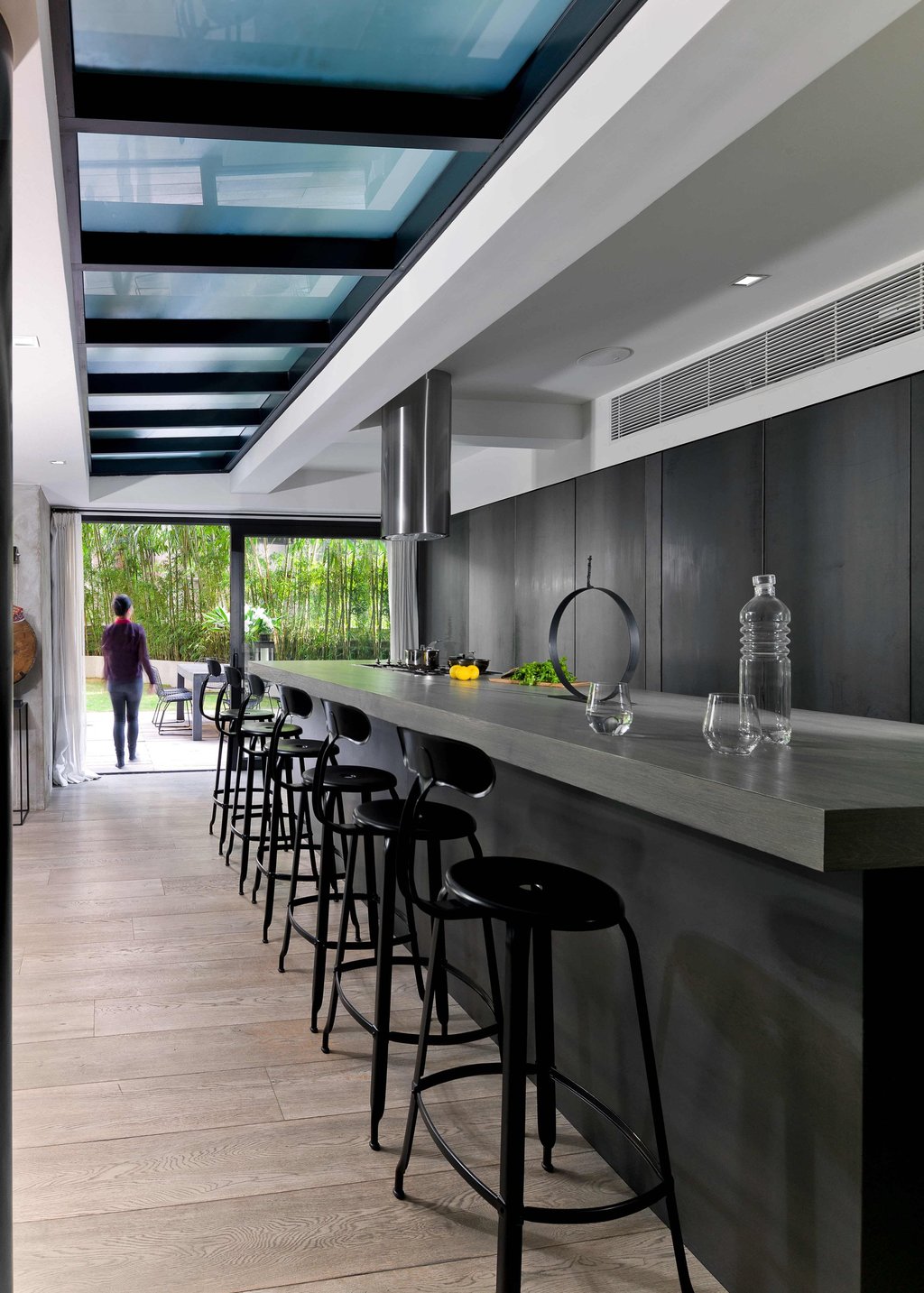
Even as designs became more innovative, studies on the psychological toll of cramped living began to niggle. To celebrate it began to feel like complicity. Which is why I cooled on the book idea, and willed the government to improve living conditions for the “other half” – a phrase originally used to describe the poorest – starting with minimum-size regulations for subdivided flats. That finally happened this year.
Numbers, of course, only go so far. In the 1990s, as a budding journalist, I happily shared a four-and-a-half-tatami-mat apaato of 104 sq ft in Tokyo with my then-partner. Three decades later came weeks of Covid-19 quarantine in a Happy Valley hotel with my now-husband. I can’t recall the room’s size, but photos show him hanging out of its sole window, gulping traffic fumes like a deflated accordion rediscovering its bellows.