
The race for critical minerals is clearing the path for deep-sea mining
Corporate pressure and US-China competition are stalling global efforts to set environmental safeguards for seabed mining

We are on the threshold of a new “gold rush” for the critical minerals that fuel things like electric vehicle batteries and wind turbines designed to green the earth. But, in doing so, we may end up polluting the oceans as greed and power override scientific and environmental concerns.
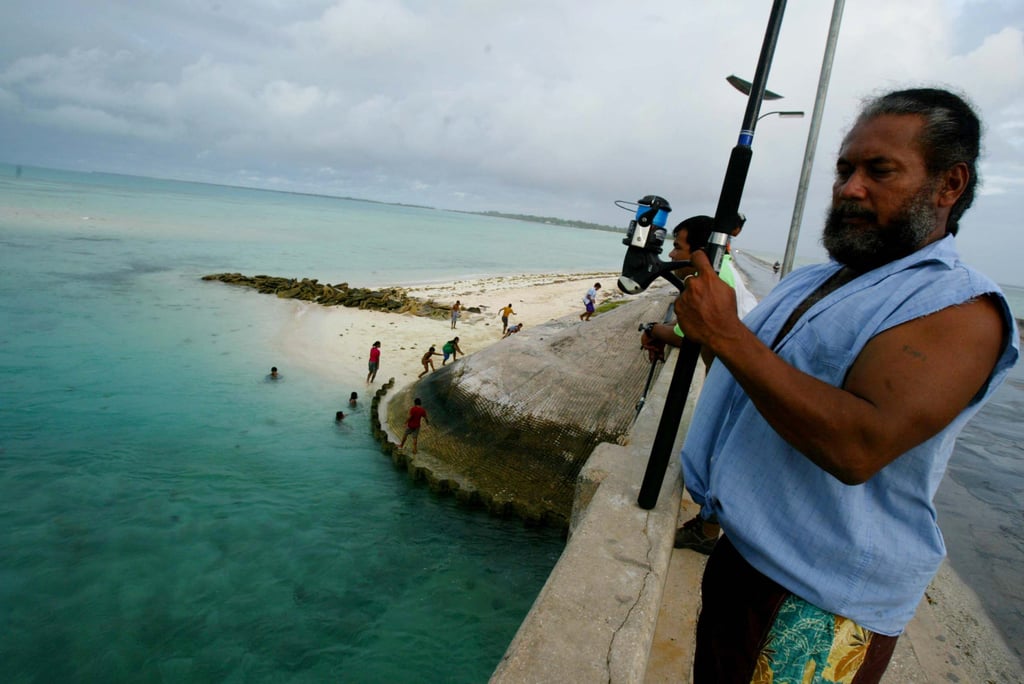
People living on the small islands scattered across the Pacific Ocean are on the front line of a new geopolitical battle to control the supply chains of these “green” minerals. Inaction by the United Nations to pause the march towards deep-sea mining for precious metals would result in a catastrophic impact on the Pacific in the long term.
Eliki Drugunalevu, a member of the research team that compiled the Pacific Ocean and Climate Crisis Assessment report to the Cop29 meeting in Azerbaijan in 2024, also warned of the potential for conflict. “People on the Pacific islands rely on the ocean for their economic survival. If the fish are not going to come in, they will have to fish in another community’s fishing grounds, that will have a butterfly effect and create conflict.”
On June 30, China published an assessment report on the workings of UNCLOS, warning that deep-sea mining has become a major test of the convention’s authority. It was critical of recent attempts to undermine it by the Trump administration.
Disappointingly, the ISA’s 36-member council and assembly concluded two weeks of meetings on July 31 without arriving at a set of commercial exploitation guidelines or regulations – the so-called mining code – for seabed mining. Negotiations will continue at their next meeting in March next year.