Rein in loan securitisation before another financial meltdown hits
The unravelling of First Brands and Tricolor in the US have exposed vulnerabilities in the non-bank sector, raising fears of a repeat of the 2008 crisis

The overture to the next debt markets crisis has already begun to play with the collapse of two companies, First Brands and Tricolor, rattling the so-called collateralised loan obligations (CLO) market. However, with stock markets still in a Roaring Twenties mood, few investors appear to have noticed.
Only when the threatened crisis reaches a crescendo will they lend an ear. By then, it may be too late to prevent an economic emergency on a par with the 2008 global debt crisis and the ensuing recession.
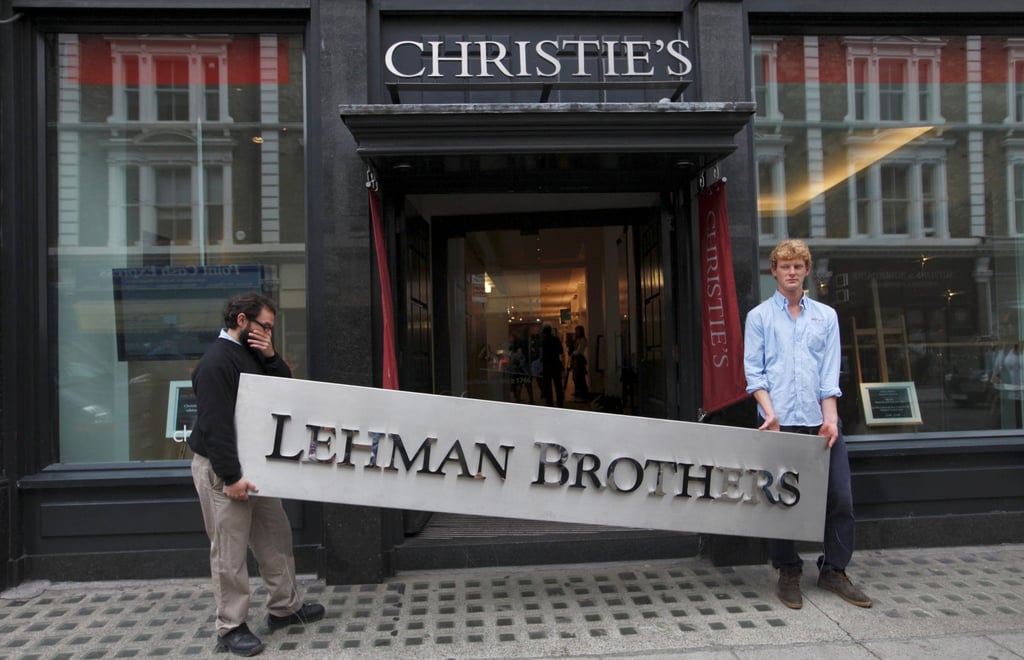
There is an eerie parallel between what happened then and what could happen now. The global financial crisis ensnared some big banking names, such as Lehman Brothers and Washington Mutual, and scores of other institutions in 2008 and 2009, while First Brands and Tricolor are hardly household names. But the cause of failure was remarkably similar then and now.
It is a mixture of official negligence – closely monitoring high-profile banks while leaving issuers of loans in the CLO market loosely regulated – and at the same time not clamping down more firmly on the process of loan securitisation. Taken together, these two failings have served to disguise the true exposure of the legitimate banking sector to credit risks, and they have also allowed retail investors to become more exposed to risks.
Debt is no longer a concern just to emerging markets. It is a clear and present danger in advanced economies also. Vitor Gaspar, head of the International Monetary Fund’s Fiscal Affairs Department, citing an IMF report, said at a briefing during the recent IMF-World Bank meetings in Washington that growing global debt could create financial turmoil and unleash a fiscal-financial doom loop.
The global financial crisis came about largely because of the “slicing and dicing” (to use banking jargon) or the repackaging of mortgage loans into loan securities which banks snapped up (because of the relatively attractive interest rates they offered) and then sold on to investors. Many of the mortgage loans were made to borrowers of dubious standing. When these so-called subprime mortgages went bad, many banks went down with them.