Advertisement
Opinion
Fallen world must ensure justice for future generations
The current negative cycle can only be addressed if we direct our energies towards promoting social and planetary well-being
3-MIN READ3-MIN
Listen

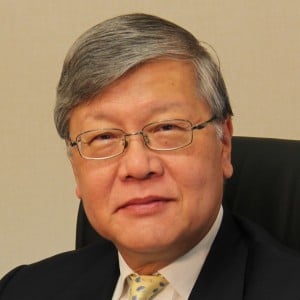
Andrew Sheng is a former central banker and financial regulator, currently distinguished fellow at the Asia Global Institute, University of Hong Kong.
Coming back from an extended conference on “Gross National Happiness” in Bhutan, one of the world’s first carbon-negative countries, I became aware that intergenerational justice may be one of the most important moral questions we face today. The world is drowning in debt. According to the International Monetary Fund (IMF), global debt amounted to US$250 trillion in 2023, or 237 per cent of GDP, with global private debt at more than US$150 trillion.
Meanwhile, worldwide net private wealth stood at US$454.4 trillion in 2022. If global private wealth is so much larger than global debt, is the latter actually a problem? It is if the world’s wealth is distributed unevenly. Around 1 per cent of the world’s adult population controlled US$208.3 trillion in 2022, or 45.8 per cent of the global total.
Wealth is only getting more concentrated as the rich get richer. So even while GDP is rising and stock markets are hitting record highs, many people are still unhappy because they are being left behind. Wealth is passed down from generation to generation, but with the gradual dismantling of inheritance tax in many countries and expanded tax cuts for the rich, such as in the United States, wealth has been retained in wealthy hands.
Select Voice
Select Speed
1x
AI-generated voice