Advertisement
Opinion
Geneva deal can’t hide fact US-China trade war has no end in sight
Negotiation will likely see Trump trying to extract maximum benefit from a defiant China that won’t stand for its bullying demands
3-MIN READ3-MIN
4

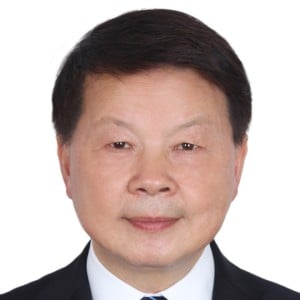
Zhou Xiaoming is a senior fellow at the Centre for China and Globalisation in Beijing and a former deputy representative of China’s Permanent Mission to the United Nations Office in Geneva.
High-level trade talks between China and the United States in Geneva, Switzerland, last month resulted in the suspension of most of the tariffs on each other. Despite that, a substantial amount of tariffs remains. While a 24 per cent duty was suspended for 90 days, both sides kept a 10 per cent tariff in place. In addition, the US retained a 20 per cent tariff imposed over what the Trump administration says is China’s role in the fentanyl crisis.
How might trade negotiations between China and the US play out? Beijing has called for the elimination of all of America’s punitive tariffs on China. However, US President Donald Trump’s approach to negotiations is likely to depend on several factors.
Trump seeks to extract maximum economic benefit from US trading partners. He has pressured Japan and South Korea to invest in a natural gas pipeline in Alaska, demanded British market access for American beef and made a series of demands on Vietnam, including insisting it remove its tariffs on US imports in exchange for tariff concessions. Trump will undoubtedly try to secure as many lucrative business deals as he can from China.
Select Voice
Select Speed
1x
AI-generated voice