Zulfiya Suleimenova is adviser to the president of Kazakhstan – special representative for international environmental cooperation.
In a time of growing fragmentation and scepticism towards multilateralism, it’s tempting for nations to turn inward, prioritising short-term domestic concerns over shared global challenges. However, climate change leaves no room for retreat.
Among its most urgent and overlooked consequences is the deepening crisis of water scarcity, which already affects more than 2 billion people worldwide. Water stress threatens food security, public health and economic stability while increasing the risk of migration and conflict. If left unchecked, it could shrink regional gross domestic products by up to 8 per cent by 2050 and fuel instability far beyond national borders.
Yet climate cooperation is faltering. Economic pressures have led some countries to delay environmental action and adopt a go-it-alone approach.
Advertisement
This is short-sighted. The economic impact of climate change is already significant. In 2023, climate-related disasters cost the US economy more than US$90 billion. Severe droughts in regions such as Central Asia, India and parts of Africa disrupt global supply chains and push up prices. Moreover, water stress drives instability and displacement. As vital sources dry up, migration rises.
Stabilising vulnerable regions is therefore a global strategic necessity. As a landlocked country in the centre of Eurasia, Kazakhstan is acutely aware of the dangers posed by climate change. As a key producer of wheat, disruptions to our water supply would not only hurt Kazakhstan but also exacerbate global food insecurity.
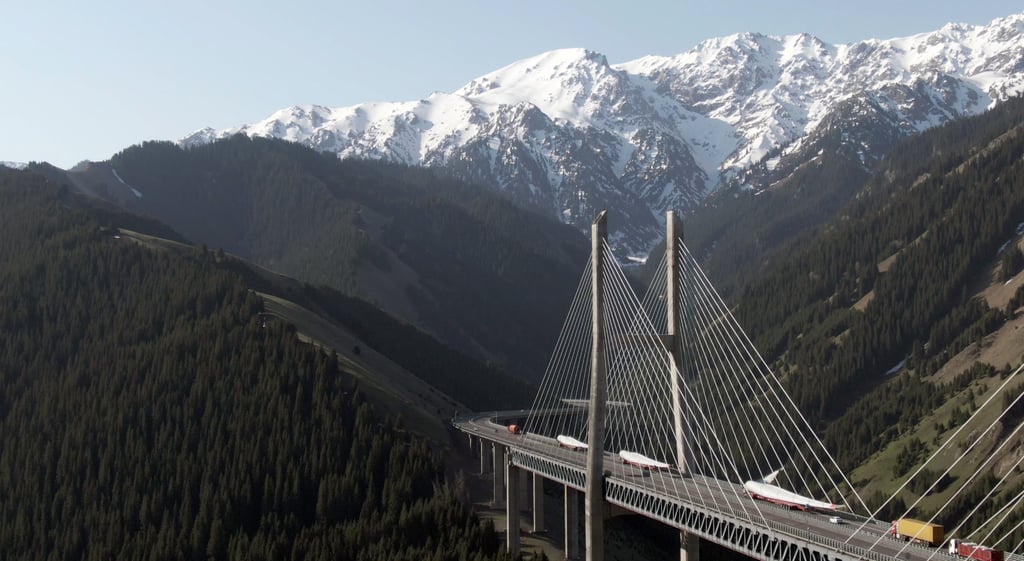
Vehicles carrying a batch of components from Chinese green power developer Universal Energy across the Guozigou Bridge for the 50 megawatt wind power project in Kostanayn Kazakhstan, on September 14, 2023. Photo: Xinhua
That’s why Kazakhstan is taking proactive steps, both through domestic initiatives and by deepening multilateral cooperation with international partners. At the national level, we have committed to reducing our absolute emissions by 15 per cent from 1990 levels by 2030, with a conditional target of 25 per cent contingent on additional climate finance and technology transfer. We have also adopted a Carbon Neutrality Strategy that aims to achieve net-zero emissions by 2060.