Advertisement
Opinion
On Taiwan, the Trump-Xi summit offered more than optics
The meeting between the Chinese and US presidents laid the groundwork for more predictable China-US relations, including on cross-strait issues
3-MIN READ3-MIN
1
Listen

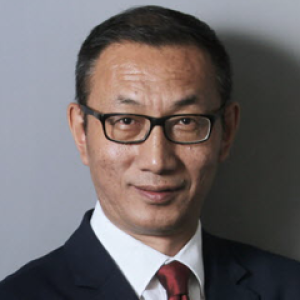
Wang Xiangwei is a senior visiting scholar (2026-27) at the Rajawali Foundation Institute for Asia, Harvard Kennedy School, and a former editor-in-chief of the South China Morning Post.
The international media consensus following the Beijing summit between Chinese President Xi Jinping and US President Donald Trump was predictable: grand on optics, short on substance. Dismissing it on those grounds misses the deeper story of how the summit marked a turning point in how Washington and Beijing manage their rivalry, particularly over Taiwan.
To understand where this relationship is going, a brief historical detour is in order. In April 2001, then US president George W. Bush departed from the long-held script of strategic ambiguity by declaring in a television interview that the United States would do “whatever it took to help Taiwan defend herself”.
It was an unusually blunt claim. During his first run for president, Bush had explicitly framed China as a “strategic competitor”, heralding what many expected to be years of bitter, confrontational ties.
Select Voice
Select Speed
1x
AI-generated voice