Can China balance green ambition with everyday ways of life?
If not managed carefully, China’s green goals could perpetuate environmental injustice, impacting biodiversity and people’s livelihoods

China has implemented a vast ecological red line policy by demarcating 30 per cent of its land area that encompasses wetlands, mountains and grasslands – about 3 million sq km – as off limits to intensive human activity.
On paper, the initiative appears visionary: a national zoning plan that puts ecological health above economic growth, a feat few countries have managed, despite it being a United Nations biodiversity target for 2030.
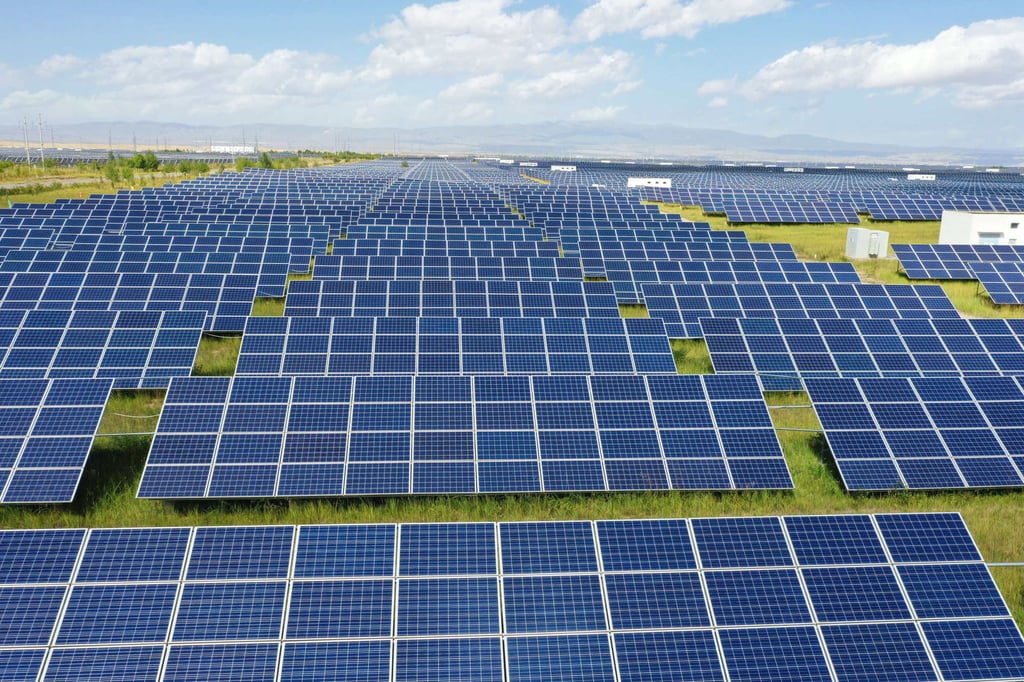
Moreover, China is building the most extensive renewable energy infrastructure the world has ever seen. The country dominates the manufacturing of solar panels, wind turbines and batteries. More than 80 per cent of the world’s solar panels and 60 per cent of its wind turbines are Chinese-made. The scale is staggering: last year, solar and wind power met 84 per cent of China’s new electricity demand, allowing a modest cut in fossil fuel use despite rising consumption.
Yet these two agendas – biodiversity conservation and green energy expansion – increasingly collide. China’s ecological redlining has displaced millions from conventional lands and livelihoods. Rural communities have been resettled or stripped of access to farmland, forests or grazing pastures. Under the banner of building an “ecological civilisation”, citizens are told they are stewards of national green ambition, even as some lose their ability to work the land. What Beijing hails as a conservation triumph is, for many, a story of quiet dispossession.
At the same time, large-scale renewable energy projects, such as Talatan Solar Park in Qinghai province, which are meant to secure China’s decarbonised future, are transforming ecosystems on an unprecedented scale.