Advertisement
Opinion
China’s transition to a global powerhouse hinges on more than innovation
Achieving true industrial leadership will depend not just on domestic innovation but on the ability to support hi-tech manufacturing around the world
3-MIN READ3-MIN
3
Listen

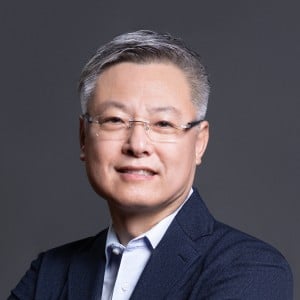
Ningrong Liu is a professor in globalisation and business at the City University of Hong Kong.
China’s 15th five-year plan is more than a policy blueprint; it is a pivotal turning point. This plan and the next one will define an era of innovation-led growth, solidifying China’s status as a major power and peer competitor to the United States.
Since the reform and opening-up policy was launched, China’s economic development has had distinct phases. The 1978-1992 period marked the initial stage of opening up. Reform and opening-up was imperative in the wake of economic challenges after the Cultural Revolution.
After Deng Xiaoping’s southern tour in 1992, the principle of development being the top priority was clearly established. China’s 2021 accession to the World Trade Organization marked its full integration into globalisation, fuelling rapid economic growth that pushed it past Japan to become the world’s second-largest economy in 2010.
A major shift began in 2017 – the year Donald Trump took office as US president and when the 19th Communist Party National Congress was held – which marked the end of the “super-globalisation” era characterised by deep China-US economic interdependence. In 2018, the US unleashed a trade war on China.
Select Voice
Select Speed
1x
AI-generated voice