Advertisement

Outside In | WTO fisheries deal suggests multilateralism not yet in full retreat
After 25 years of disagreement and procrastination, WTO members have agreed to ratify a deal to eliminate harmful fisheries subsidies
Reading Time:3 minutes
Why you can trust SCMP
3

As US President Donald Trump lambasted attendees at the UN General Assembly this week for failing to stop wars and curb illegal immigration, for championing the climate “hoax”, and even for its faulty escalators and teleprompters, his disdain for all things multilateral was on full display. But to the many who believe – or fear – that multilateralism is in full retreat, the past few weeks have nevertheless provided a smidgen of comfort.
In February, Trump promised to undertake within six months an audit into the value of (and US membership in) all United Nations and UN-related organisations and table its findings for action. The audit report is yet to come, but if Wednesday’s rants are anything to go by, there seems to be no evident US plan to withdraw.
Someone in the White House appears to have persuaded Trump that it may be more valuable to spit venom from the inside than to bad-mouth from afar – especially if the US absence enabled China to usurp its influence.
Advertisement
More comfort for multilateralists came from the World Trade Organization which, after 25 years of disagreement and procrastination, agreed on September 15 to ratify a deal to eliminate harmful fisheries subsidies.
It was a giant stride for the WTO. In the three decades since it was founded, it has managed agreement on just one other multilateral deal – a low-octane agreement on trade facilitation. This may amount to an embarrassingly empty out-tray, but for those who feared the WTO will be written off, the fisheries subsidies deal is an all-too-welcome sign of life.
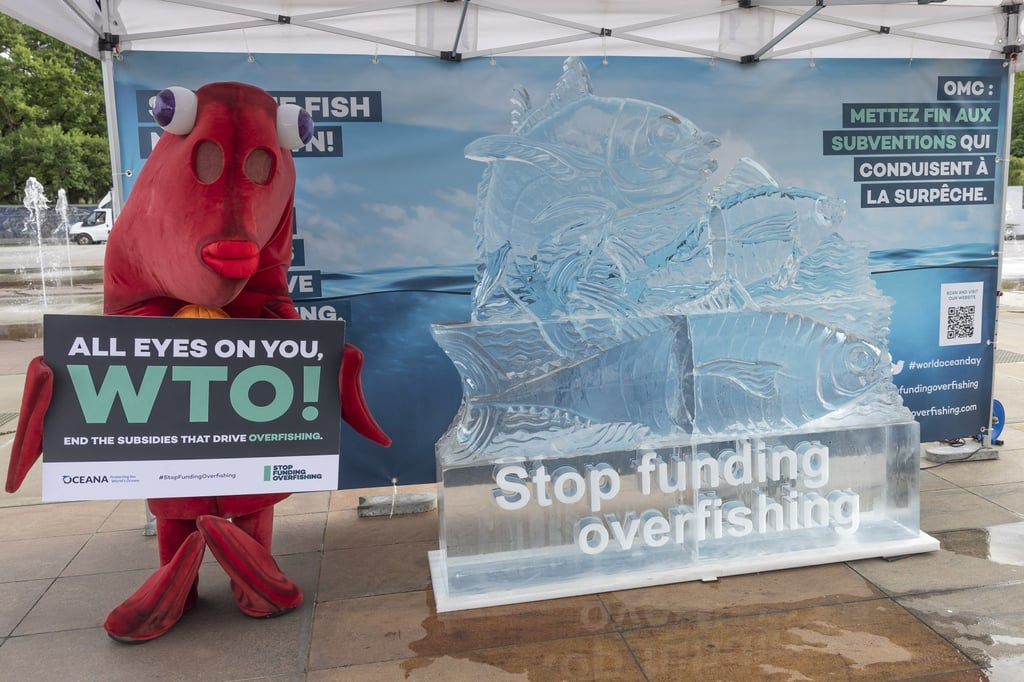
Coupled with China’s announcement that it would no longer exploit the WTO’s special and differential treatment provisions to dodge or delay liberalisation commitments, diplomats in Geneva are welcoming these much-needed shots in the arm for multilateralism. The United States has fulminated for years that the world’s second-largest economy – and one of its most competitive – should not be allowed to exploit a self-declared “developing country” status to retain protections intended for the world’s least developed nations.
Advertisement
Advertisement
Select Voice
Select Speed
1.00x