How Trump’s threatened strikes on Iran could backfire
Instead of pushing Tehran towards a nuclear deal, bombing the country could set off a deadly cycle of retaliation, analysts warn

US President Donald Trump said on Friday that he was considering limited military strikes to pressure Iran into signing a new nuclear deal, but bombing the country may have the opposite effect, risking a new destabilising conflict in the Middle East.
The Pentagon has orchestrated a massive deployment to the region that includes two aircraft carriers, fighter jets and refuelling planes, giving Trump the option to launch limited, or extended, operations against Iran.
Yet Trump and other administration officials have given conflicting public accounts of what they actually want from a new deal with Tehran. And Iran experts argue that bombing the country in the middle of negotiations might derail a deal, and could prompt a deadly cycle of retaliation.
Tehran would likely suspend participation in talks if the US launched a strike, according to a senior government official in the region, who asked not to be identified discussing private deliberations.
“He’s not going to get a diplomatic agreement out of the Iranians if he attacks them again,” said Barbara Slavin, a fellow at the Stimson Centre in Washington. The military threats alone – even if the US does not ultimately act on them – “is going to make them less willing to make a deal”.
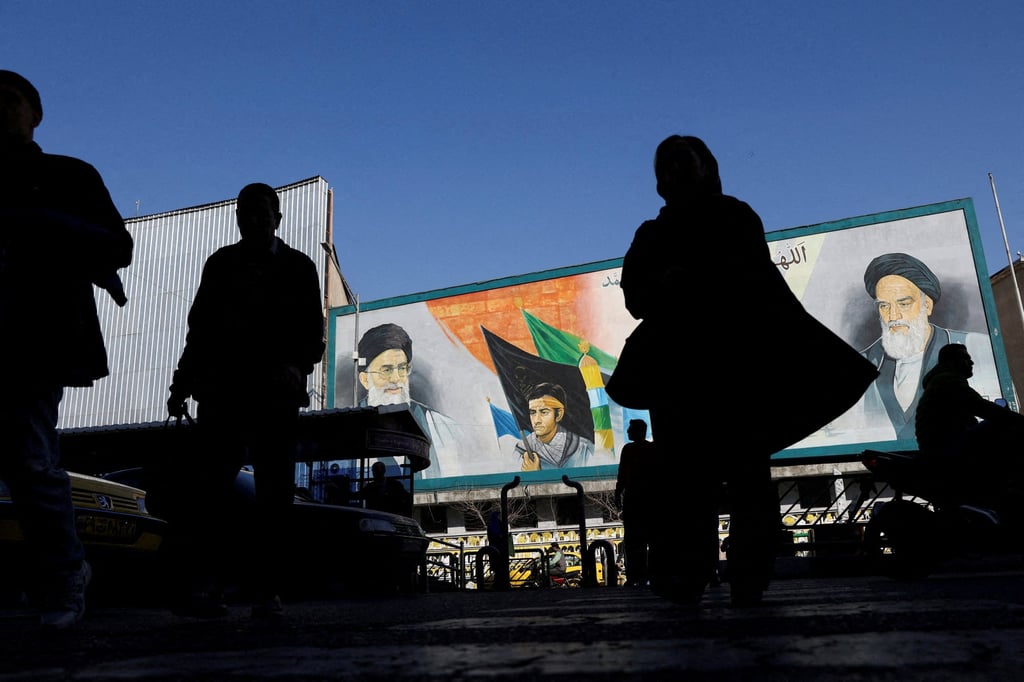
While Trump has given a deadline of between 10 and 15 days, it also remains unclear what a new round of air strikes – limited or otherwise – would actually achieve.