Former UK government slammed for its initial Covid-19 response: ‘too little, too late’
Inquiry concludes the failure to implement restrictions a week earlier led to one of Europe’s deadliest outbreaks

A public inquiry report released on Thursday slammed the UK’s initial response to the coronavirus pandemic in the early months of 2020 as “too little, too late”, saying the failure to lock down the country earlier “led to an unacceptable loss of life”.
The inquiry, chaired by former judge Heather Hallett, found that chaos at the heart of the then Conservative government and a failure to take Covid-19 seriously potentially cost 23,000 lives in England alone during the first wave of the pandemic.
Hallett’s report on the government response to Covid-19 - the second of four topics on the pandemic that she is assessing - found that the prime minister at the time, Boris Johnson, presided over a “toxic” culture in Downing Street and regularly changed his mind, while leading cabinet members as well as key scientists all failed to act with the urgency needed to tackle the virus.
After weeks of rising cases and days after most other European nations had gone into lockdown, Johnson announced a UK-wide lockdown on March 23, 2020, arguably the biggest decision of any British prime minister since the end of World War II.
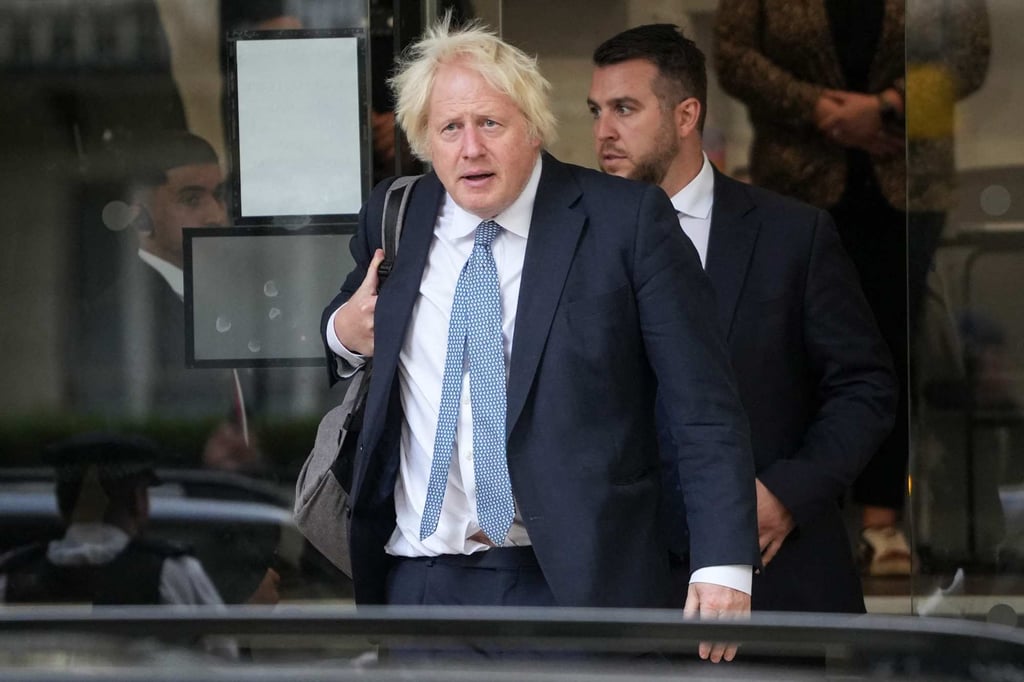
Hallett said the actions of the UK government, as well as those of the devolved nations - Scotland, Wales and Northern Ireland - were “too little, too late”.
“Had the lockdown been imposed one week earlier than March 23, the evidence suggests that the number of deaths in England alone in the first wave up until July 1 2020 would have been reduced by 48 per cent,” Hallett said. “That is approximately 23,000 fewer deaths.”