In Britain, shoplifting soars as ‘desperate’ consumers contend with highest inflation for decades
- Shops have shifted to protecting unlikely items like butter, cheese and washing detergent as price inflation hit a record 14.7 per cent last month
- Shoplifting incidents increased 18 per cent in the 12 months through to June, as British consumers find it harder and harder to afford the basics

Incidents of shoplifting in the UK increased 18 per cent in the 12 months through to June as the highest inflation in more than four decades has pushed up prices on items ranging from bread to pasta, making it more difficult for consumers to afford basics.
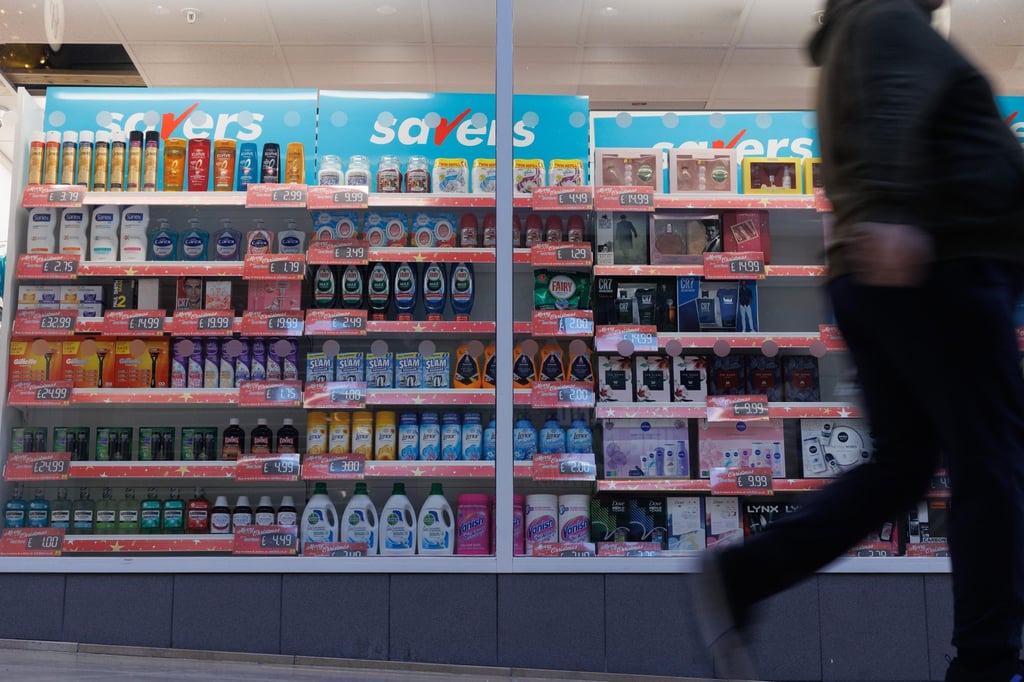
With more inflation set to come, theft may spread further, and retailers have become more vigilant over shoplifting or “shrink”, as the industry calls it. Shops that used to attach antitheft devices to pricey items like alcohol have shifted to also protect unlikely products – butter, cheese, washing detergent and protein bars, some of them retailing at just £2 (US$2.38).
“It has been a theme this year, there’s no two ways about it,” Marks & Spencer Group Plc Chief Financial and Strategy Officer Eoin Tonge said in a phone interview. “When the inflationary period hit, we saw shrink increasing as did the rest of the market place. There have been more measures put in place by pretty much all of the retailers, whether it be guards or tagging.”
Tesco Plc and J Sainsbury Plc are among more than 100 retailers that called on British police in August to focus on retail crime as the cost of living weighs heavily on shoppers. Tesco ramped up security measures earlier this year including in-store personnel, chairman John Allan told Times Radio.
“I don’t sympathise with people who shoplift, but I can understand desperate people taking desperate measures,” Allan said at the time.
Grocery price inflation hit a record 14.7 per cent last month, adding an extra £682 to the average annual shopping bill. More than a quarter of UK households say they’re struggling financially – twice as many as last year – and the vast majority say that higher prices on food and drink is a major concern.