Tunisian president Kais Saied dissolves top judicial watchdog on suspicion of corruption
- During a surprise visit to the Tunisia’s Interior Ministry on Saturday, Saied blasted members of the judiciary, accusing some judges and magistrates of bias
- The decision by Saied to disband the Superior Council of the Judiciary comes on the ninth anniversary of the assassination of Opposition leader Chokri Belaïd

Tunisia’s president has announced a plan to dissolve the national judiciary body on suspicion of corruption and mishandling of sensitive political cases, according to local media reports on Sunday.
The decision by President Kais Saied to disband the Superior Council of the Judiciary comes as Tunisians on Sunday marked the ninth anniversary of the assassination of a prominent left-wing leader and an outspoken critic of the Islamist movement.
During a surprise visit to the Tunisia’s Interior Ministry on Saturday night, Said blasted members of the judiciary, accusing some judges and magistrates of “corruption … nepotism … and stalling proceedings in several cases, including those of political assassinations.”
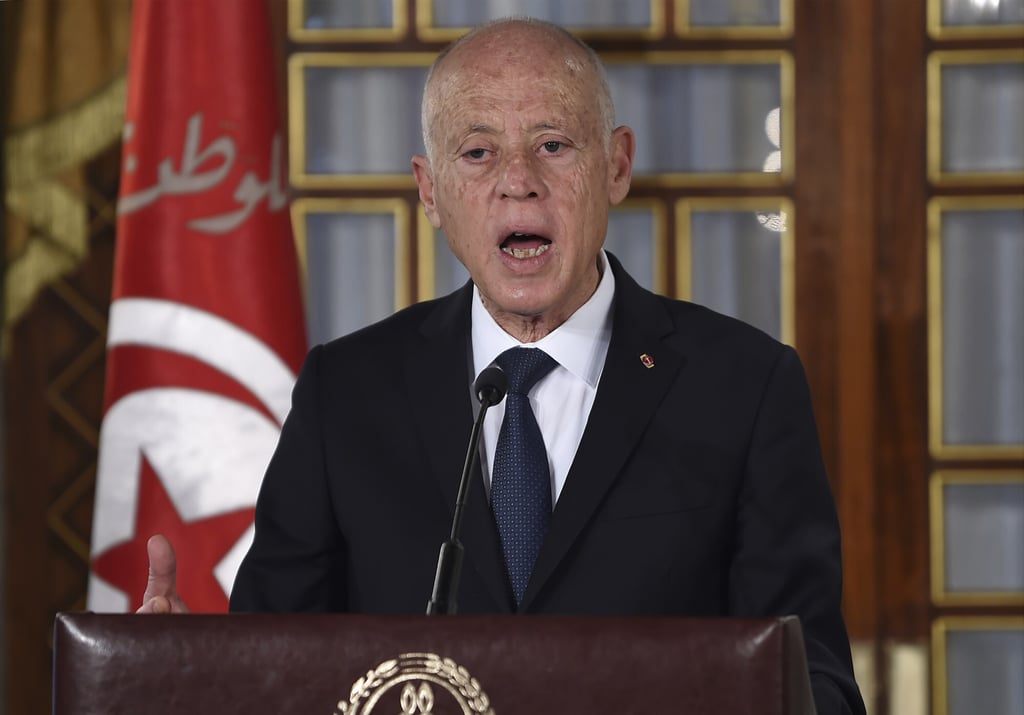
“The Superior Council of the Judiciary can from now on consider itself a thing of the past,” the president said, adding that a decree to set up a provisional council will be issued soon.
Opposition leader Chokri Belaïd was gunned down outside his home on February 6, 2013. He was a vocal critic of the Islamist movement, Ennahda, that was in power at the time. Six months later, another left-wing politician, Mohammed Brahimi, was assassinated. No one has been convicted in either case.
Tunisia devolved into a deep political crisis after the two 2013 killings. Tunisia’s 2011 revolution triggered the pro-democracy uprising known as the Arab spring and was considered the country with the best chance of realising true democratic change until that crisis after the killings.
Last July, following nationwide anti-government protests, Saied dismissed his prime minister, assumed all executive powers and froze parliament in the North African nation. He is been governing by decree since then, cracking down on corruption and throwing several lawmakers and businesspeople in jail on corruption charges.
While constitutional lawyers and political opponents including the influential Islamist party say the president’s actions are unlawful, the decision has proved widely popular with Tunisian public.