Jar burials: a glimpse into ancient China’s compassion, funeral practices for infant deaths
New study indicates Neolithic cultures in China may have separated graves of perinatal infants; different treatment than older children

One of the profound tragedies in life is the burial of the youngest among us. In Neolithic China (9,000–1,500 BC), urn burials were often designated for the deceased children and infants.
While urn burials for older babies have been extensively studied, there remains little understanding of burial customs surrounding stillbirths, miscarriages, or newborns who passed shortly after birth. A new 2026 study in China revealed that by examining 16 urn burials associated with perinatal deaths from over 6,000 years ago, ancient peoples distinguished these infants from older babies.
This study, published in the Journal of Archaeological Science, sheds light on how early societies in China perceived individuals who died during the perinatal period, specifically infants aged 34 to 40 gestational weeks – a full-term pregnancy typically lasting about 40 weeks.
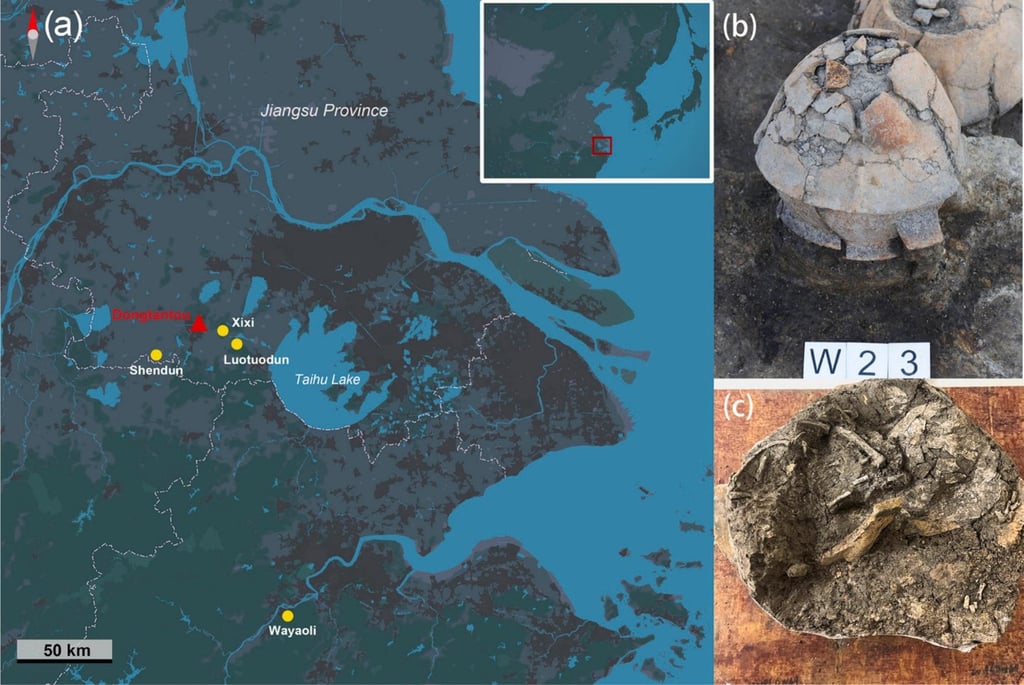
A notable finding was that the remains were interred in separate jars located within a designated area specifically for perinatal deaths.
“The intentional and careful funerary treatment reveals a distinct social identity for perinatal infants, as well as the special funerary concepts and cultural beliefs held by ancient residents,” the authors stated.