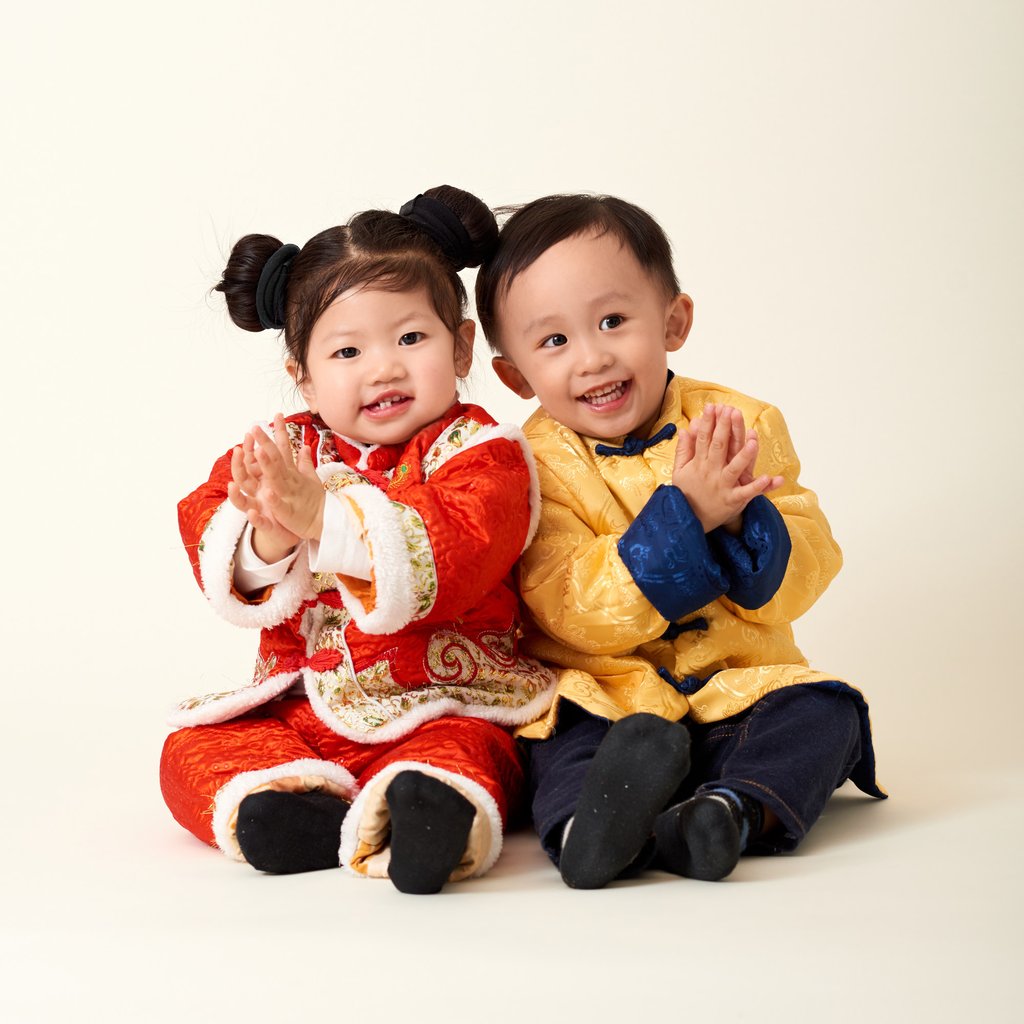
Why this ancient custom requires children to ‘sell ignorance’ on Chinese New Year’s Eve
Centuries-old ritual saw children run around outside assailing passers-by after hearty festive feast; tradition also seen as being good for health

While many people in today’s China watch the state media CCTV’s gala show on Chinese New Year’s Eve, about 1,000 years ago children took part in a special and playful routine to celebrate a custom called “selling ignorance”.
Known in Chinese as mai meng dong or mai chi dai, the practice began during the North Song dynasty (960-1127), a period of advancing culture and economy.
It involved groups of mischievous children running through streets after eating the New Year Eve dinner and shouting “selling ignorance” in a gesture designed to drive away one’s foolishness and become smarter in the coming year.
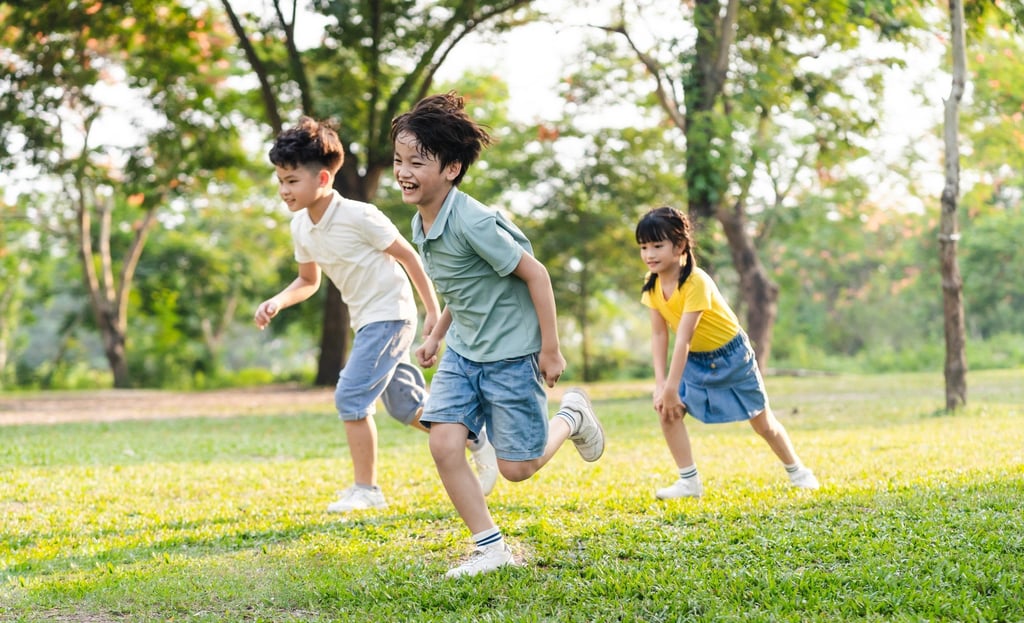
They would also call out to people on the road and if the person responded, the children would exclaim with delight: “I have sold my ignorance to you.”
The tradition, akin to a children’s game, originated from Bianjin, the capital of the North Song dynasty, which is the present-day city of Kaifeng in central Henan province.
It later spread to the central and southern parts of China as the North Song court moved southward.
The routine was popular among children on New Year’s Eve for hundreds of years according to members of the intelligentsia such as poet Fan Chengda and novelist Zhou Mi, both of whom lived during the South Song dynasty (1127-1279), and historian Gao Deji of the Yuan dynasty (1271-1368).