Singapore targets super-rich with tax on homes bought through opaque trusts
- Analysts said the extra stamp duty, which takes effect this week, is meant to close a loophole that can be used by high-net-worth individuals to avoid tax
- The city state has been levying more duties on the wealthy to allay concerns of inequality, including higher taxes on some incomes, property and luxury cars

Authorities will impose a 35 per cent additional buyer’s stamp duty on homes transferred into a trust where there is no identifiable beneficial owner, the Ministry of Finance said late on Sunday.
The latest tax, which takes effect this week, is meant to close a loophole used by people who have been purchasing multiple homes under trusts where it is not clear who the beneficial owner is, thus avoiding additional taxes, according to analysts at APAC Realty Ltd.’s ERA unit and Cushman & Wakefield Plc. “The new rule is targeted at the wealthy,” said Nicholas Mak, head of research at ERA.
Singapore has been levying more duties on the wealthy to allay concerns of inequality in the city state. In February, the government announced higher taxes on some incomes, property and luxury cars.
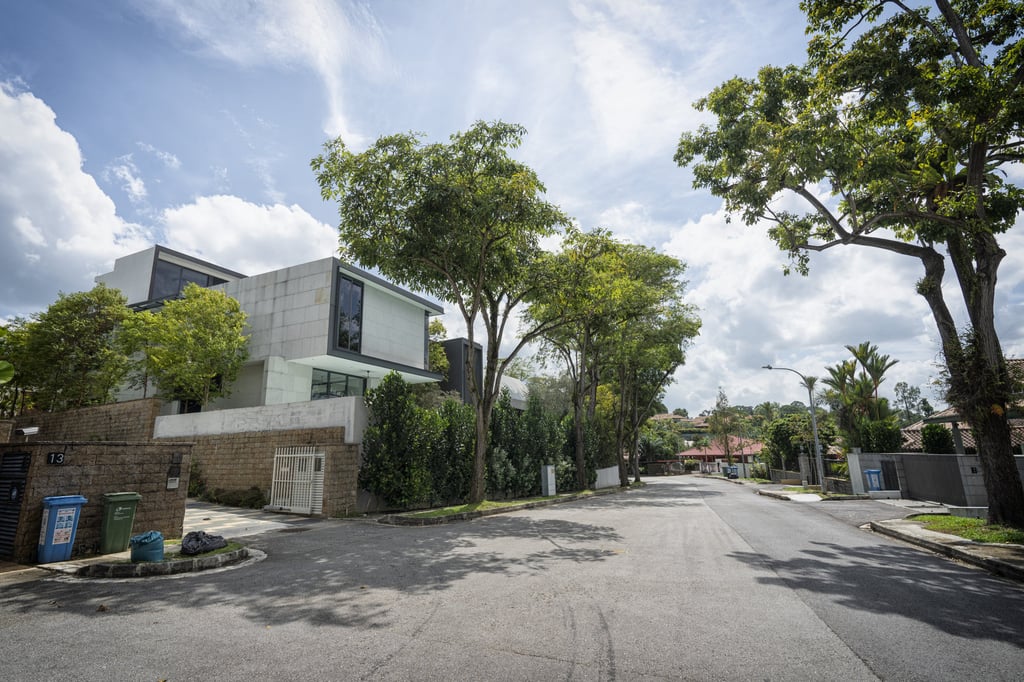
Known as one of the world’s property havens, Singapore’s residential market heated up last year, with prices surging the most in more than a decade. Sales of high-end bungalows – the city’s equivalent of mansions – tripled in 2021, according to Knight Frank Singapore.
Mak said the latest move could deter some investors from snapping up homes in the city state. “As more of the high-net-worth individuals come to Singapore, they’ll come up with opaque structures to buy residential homes to avoid the additional stamp duties,” he said.
The Ministry of Finance said in response to queries that it does not have data on transfers of homes into trusts where the additional levies was not applicable. The extra tax announced “is intended to ensure a stable and sustainable residential property market” and its introduction arises from the government’s periodic policy review, it said, also responding to queries about whether the move could be seen as clamping down on people circumventing the rules.