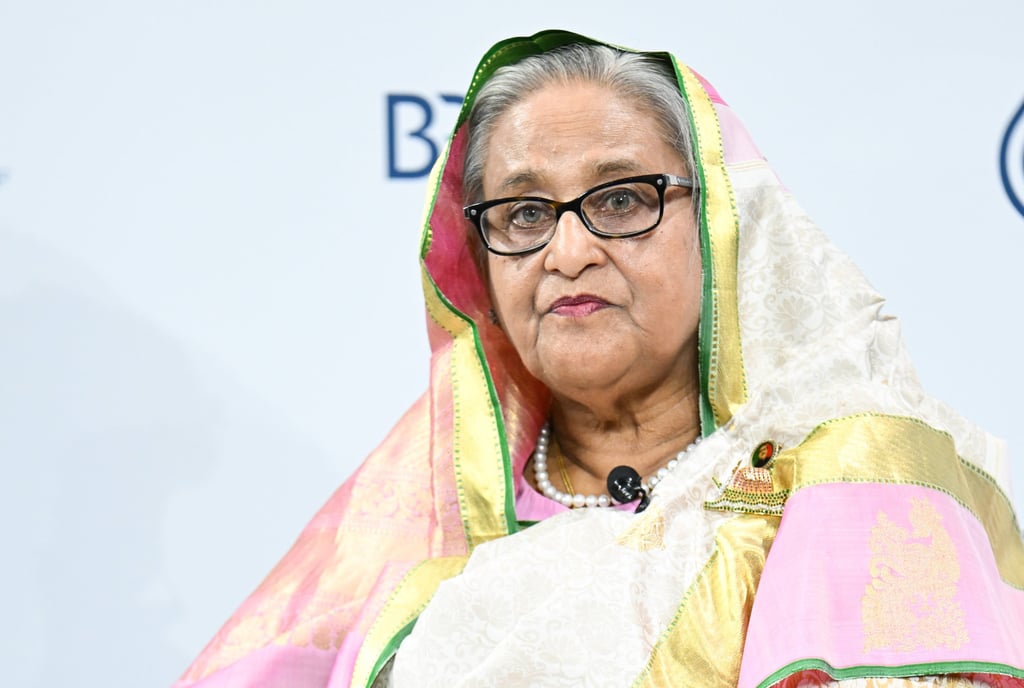
Bangladesh bans former ruling party citing anti-terrorism legislation
The Awami League’s activities will remain banned until after a trial of the party and its leaders over the deaths of hundreds of protesters

The government, headed by Nobel Peace Prize laureate Muhammad Yunus after prime minister Sheikh Hasina was ousted following a deadly mass uprising, announced late on Saturday that the Awami League party can no longer be active online and elsewhere in the South Asian country under the Anti-Terrorism Act.
The law affairs adviser, Asif Nazrul, said the ban would remain until a special tribunal completes a trial of the party and its leaders over the deaths of hundreds of students and other protesters during an anti-government uprising in July and August last year.
The Bangladesh Nationalist Party, the country’s other main political party that is headed by former prime minister Khaleda Zia, had previously opposed the proposal to ban the Awami League party.
The ban is expected to formally come into effect on Monday.
The Awami League’s official account on X said on Sunday, “People no more feel safe under Yunus,” denouncing the ban that “stoked division within society, strangled democratic norms, fuelled ongoing pogrom against dissenters and strangled inclusivity, all undemocratic steps under pretext of making trial of July-August violence and reform scheme.”