Japan’s famous bonfire monkey zoo to close for major revamp
During the closure, the zoo plans to use social media to post updates on its 700 monkeys and hold members-only events


Home to about 700 monkeys of around 50 species, the facility in Inuyama, Aichi prefecture, will open only on weekends and holidays from September, and close its gates from October 19. During the closure, it plans to use social media to post updates on the monkeys and hold events open only to registered members.
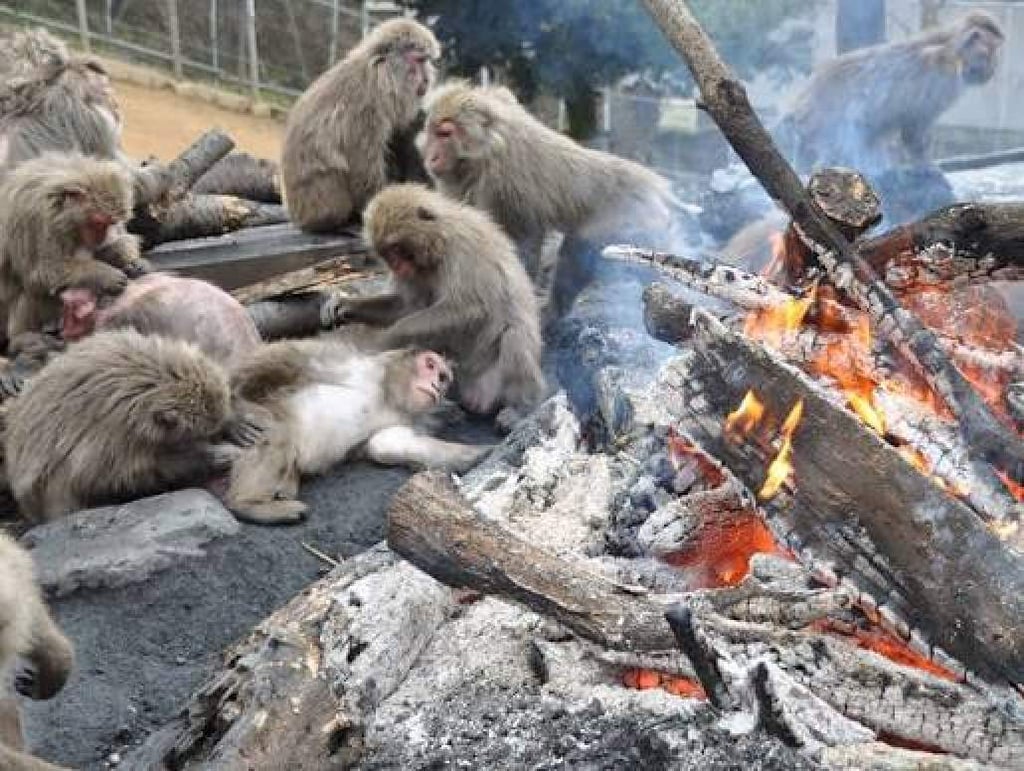
The zoo’s iconic bonfires date back to 1959, three years after it opened with funding from Nagoya Railroad, when staff burned trees that had fallen in a massive typhoon and resident monkeys were seen gathering around the fire.
It later became the first facility in Japan to keep mountain gorillas. Working with partners, including Kyoto University’s Institute for the Evolutionary Origins of Human Behaviour, it is regarded as one of the world’s leading primate care and research facilities.
Since 2014, the zoo has been run by a Kyoto University-linked non-profit foundation. Operating costs have been covered by admission fees and donations solicited under the name “Goshien” – a Japanese play on words combining “support” and “monkey”.