Japan bear intrusions driven by fruit, not hunger, study finds
Japan’s bears enter towns for leftover crops, not starvation – revealing an urgent need for residents to clear fallen fruit from farms

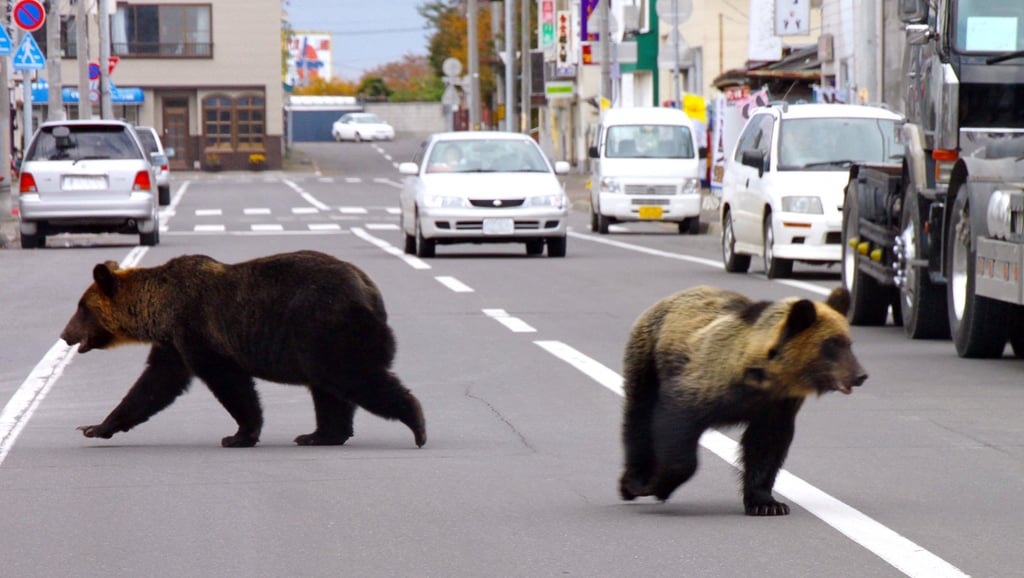
Japanese black bears are encroaching on human settlements not necessarily out of desperation, but because they are lured by the easy meals found on abandoned farms.
A recent study in western Japan showed that bears entered areas near human dwellings despite being adequately nourished – even during years when acorns were scarce – likely attracted by leftover fruit trees.
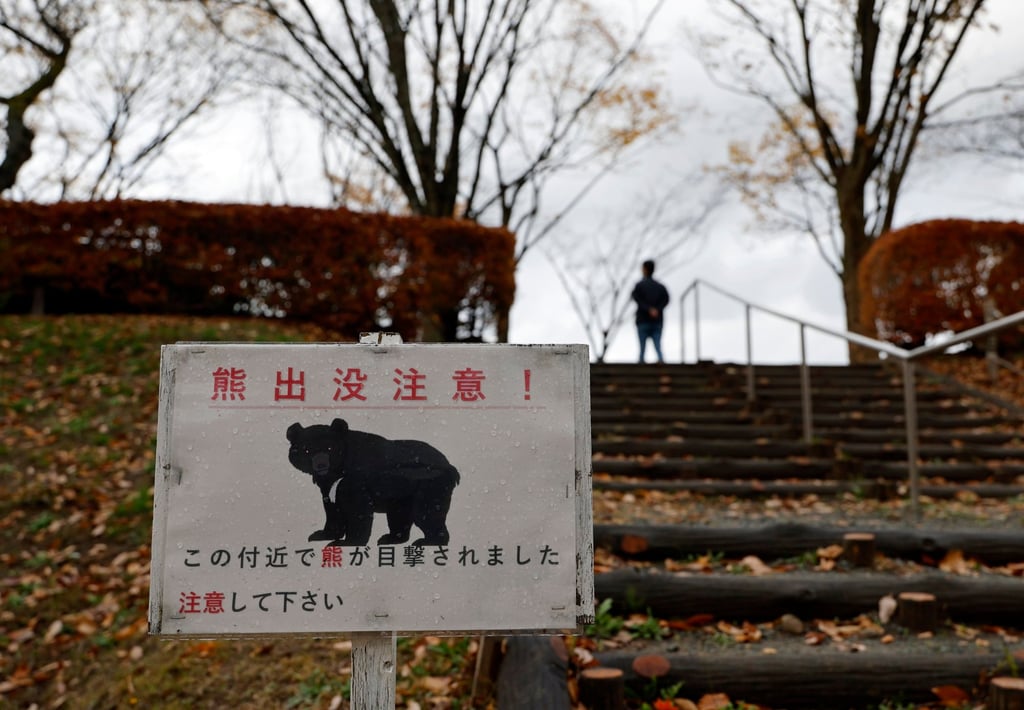
The research team, which included the Tokyo University of Agriculture and Technology and Shimane Prefecture’s Mountainous Region Research Centre, examined the links between acorns, the bears’ main autumn food source, and their body fat. Japan’s recent rise in bear intrusions has partly been attributed to food scarcity in their natural habitats.
The findings suggest that measures such as removing “attractants” like fallen persimmons and chestnuts and blocking bears’ entry routes into settlements are essential, Shinsuke Koike, a professor at the university specialising in ecology, said.
The study examined 651 Asian black bears, one of the two species of bears in the country, that were killed as threats to human neighbourhoods or in traffic accidents in Shimane between 2003 and 2018. The team said it is unclear whether the findings can be applied to other areas with different environments.
The bears’ nutritional status was measured using three indexes – subcutaneous, visceral and bone marrow fat – because when an animal is starving and its nutritional condition declines, it mobilises fat reserves in a specific order.