Japan to spread radioactive Fukushima soil outside PM’s office to show it’s safe
The soil, which retains low-level radioactivity, will be used in flower beds to prove its suitability for public works

The government intends to demonstrate that the soil, which retains low-level radioactivity, is suitable for public works projects and other purposes across Japan. The soil was collected after the earthquake and tsunami in northeastern Japan on March 11, 2011, that caused one of the world’s worst nuclear accidents.
The soil will be distributed across flower beds and used for other purposes on the grounds of government offices. It is the first time it has been repurposed outside Fukushima prefecture.
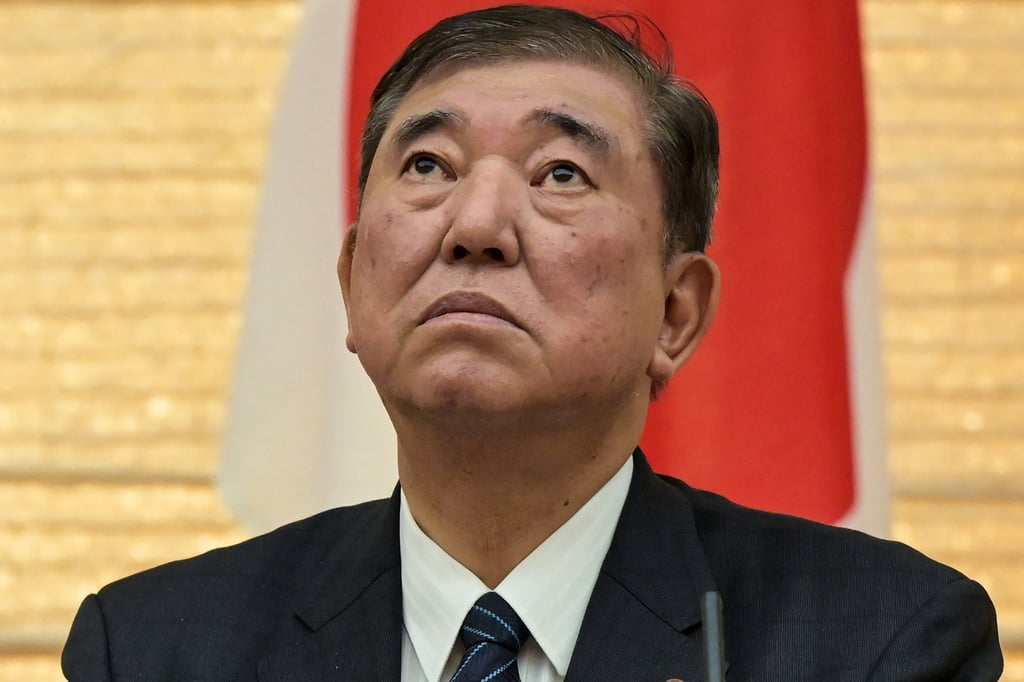
“It’s important to secure a wider public understanding” of the safety and utility of the soil, Chief Cabinet Secretary Yoshimasa Hayashi said at a meeting of cabinet ministers.
However, it remains unclear whether the plan will be accepted publicly. Previous attempts in Tokyo and other areas to use the soil have been halted due to local opposition.
Three nuclear reactors at the Fukushima plant suffered fuel meltdowns following the major earthquake and tsunami in 2011, spewing massive amounts of radioactive materials into the air and resulting in the contamination of nearby areas.
Around 14 million cubic metres (494 million cubic feet) of removed soil and other waste have been placed at an interim storage facility near the nuclear complex. By law, the soil must be disposed outside Fukushima prefecture by March 2045.
Government guidelines prohibit soil with more than 8,000 becquerels per kilogram of radioactive caesium to be used in any public-works projects.