Most Pacific island women don’t work. The World Bank wants to change that
Outdated laws and social norms keep 57 per cent of working-age women across the Pacific out of the labour force, the bank says

The World Bank economic update for the Pacific, which said closing the gender gap could boost economic growth, also forecast regional growth slowing to 2.6 per cent this year, down from 5.5 per cent in 2023.
With 57 per cent or around 500,000 women not in work across the Pacific, the report said boosting female participation to the same level as men could lift the region’s gross domestic product by 22 per cent by increasing household incomes and supporting private sector growth.
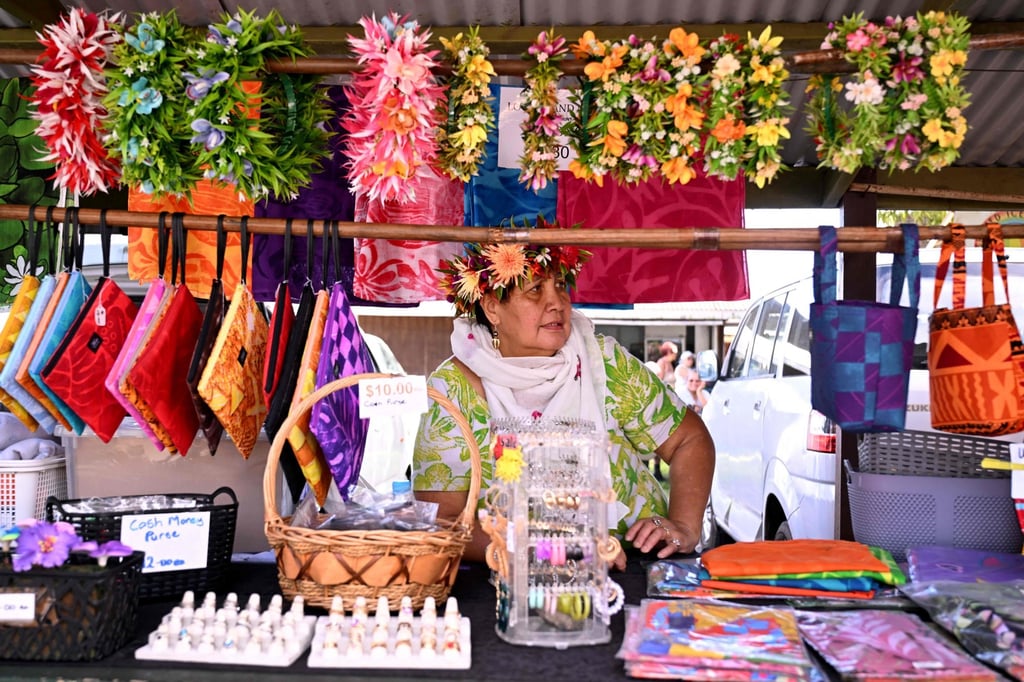
The gender gap in the labour market exists despite women attaining similar education levels as men and could be partly attributed to social norms, the report said.
Six countries did not have paid parental leave, often forcing women to leave the labour force when they started families, it said.