University of Hong Kong’s next-generation smart campus sets global benchmark
Launch, in partnership with Huawei Technologies, offers rapid and stable connectivity to enhance students’ learning and research experience

The University of Hong Kong (HKU) has gained an enviable global reputation since it was established as the city’s first tertiary institution in 1911. Its continued success over the past 114 years has been highlighted in this year’s influential international university rankings, which placed it second in Asia and 17th in the world.
The annual QS University Rankings, compiled by Quacquarelli Symonds, a United Kingdom higher education information provider, are based on criteria including an institution’s reputation among both global academics and employers, the ratio between its full-time staff and students and the impact of its research.
However, the university, which caters to over 30,000 students across more than 300 degree programmes at its Pok Fu Lam campus on Hong Kong Island, is also known for its willingness to embrace the use of cutting-edge technologies to enhance its learning experience and infrastructure.

Last December, HKU teamed up with Huawei Technologies, a leading global provider of information and communications technology (ICT) infrastructure and smart devices, for the launch of its next-generation smart campus, which will help to accelerate the digital transformation of education.
The ceremony, titled “The University of Hong Kong & Huawei Global Smart Campus Network Showcase”, was their latest collaboration aimed at developing smarter campus network connectivity and infrastructures.
“As a world-class university, HKU is committed to providing the best teaching and research environment for global academic talent and promoting the integration of education and technology,” Flora Ng, chief information officer and university librarian at HKU, said at the ceremony.
“With the growing diversity of teaching needs and accelerating digital transformation, building a smart campus is critical for providing high-quality educational services.”
She said HKU and Huawei had built a high-quality, high-speed 10 gigabits per second (Gbps) campus network powered by Wi-fi 7 – the next-generation Wi-fi standard – for use in numerous areas including its neoclassical main building Loke Yew Hall, libraries and classrooms.
“These deployments ensure stable, smooth network connections for teaching applications in smart classrooms, libraries, study rooms and auditoriums – laying a solid foundation for HKU’s smart campus,” she said.
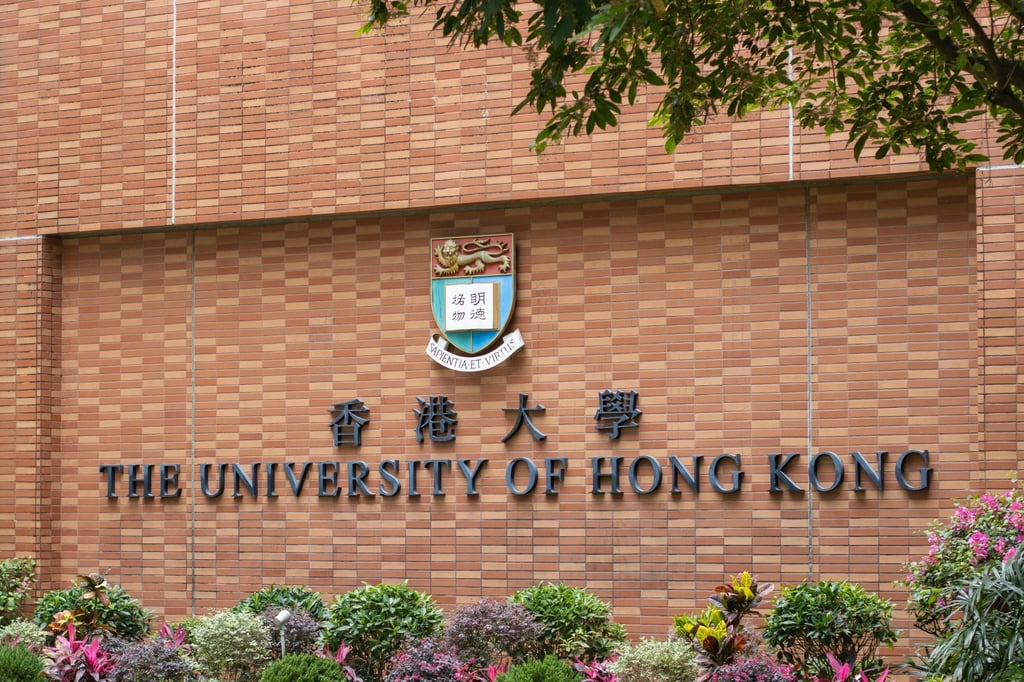
HKU and Huawei’s global smart campus network involves the technology being incorporated into the university’s core infrastructure, from wireless network coverage to smart library management.
Huawei’s Wi-fi 7 provides speeds that are up to four times faster than Wi-fi 6. It is also designed for lower latency (minimal delay) and higher reliability, so that the overall experience for users is enhanced, and also includes stronger security features such as Wi-fi Shield.
It has greatly increased the network bandwidth to meet the university’s needs for high levels of interactive teaching in its smart classrooms and provide smooth connectivity during online exam periods, major events and peak study hours.
Loke Yew Hall, for example, which is used for important academic and social events, including widely watched livecasts, can efficiently accommodate high numbers of concurrent users and offer a strong network performance during online classes, live lectures and other activities that require a high bandwidth.
The three-storey Chi Wah Learning Commons, featuring a range of individual workstations, quiet study areas and group study rooms, can accommodate more than 300 students across each of its floors during peak exam periods. The Wi-fi 7 network provides access to online learning materials at a much higher speed than before.
The Main Library, which was established in 1912, houses more than 3 million print books, as well as 5 million electronic books and 150,000 electronic journals to meet students’ increasing preference for reading and downloading digital resources.
To cope with the growing demand, Huawei has implemented full wireless network coverage in all of HKU’s libraries to support digital applications such as smart book management, self-service for readers and high-speed access to resources.
To overcome numerous library bookshelves that may obstruct signals and create “dead zones”, Huawei’s 3D wireless network planning tool was used to create a network model and simulate real signal coverage effects to optimise access points and reduce wireless signal interference.
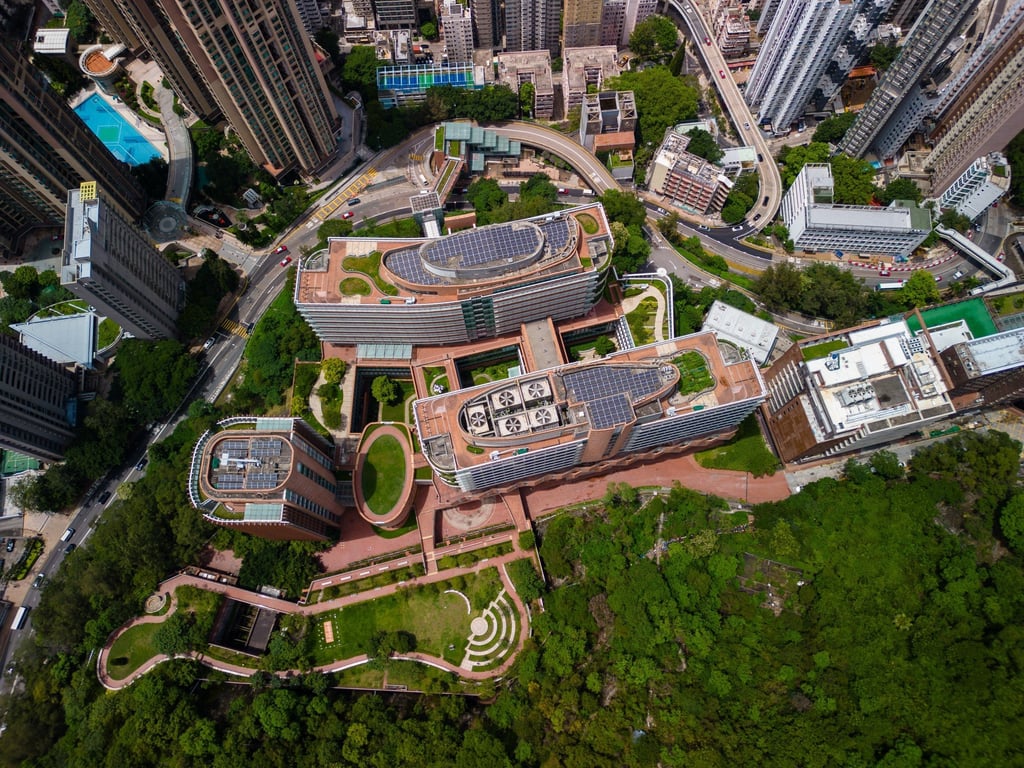
To improve library management efficiency, the university plans to make full use of the capabilities of the Wi-fi 7 network technology’s Internet of Things (online sharing of data by interconnected everyday objects). This will include gradually adopting an automatic inventory system using robots, where millions of books can be processed in only two days.
Huawei continues to deepen its efforts in the field of intelligent education, through innovative solutions such as creating digital training, scientific research computing, smart campuses and smart classrooms. Its digital training solution supports the transformation of the education industry and comprehensively enhances the quality and efficiency of teaching, research, management and services.
By the end of 2023, the firm had served over 5,000 educational ministries and administrative institutions at all levels, higher education institutions and research institutions in more than 120 countries and regions. Huawei’s 2023 annual report said more than 40 institutions featured in the QS World University Rankings Top 100 had chosen Huawei as their partner for intelligent transformation.
“Looking forward, Huawei will continue our partnership with HKU to further create a high-quality educational environment, solidifying its leading position in global higher education,” Jason He, president of Huawei’s global enterprise data communication marketing and solution sales department, said. “This cooperation can also set an excellent example for more Hong Kong universities to embark on their digital education journey.”