Huawei Technologies uses smart solutions to protect vital European migratory-bird habitat
Firm’s Tech4All programme helps enrich biodiversity and create a more sustainable ecosystem at Austria’s Lake Neusiedl

World leaders gathered in Baku, Azerbaijan, earlier this month to discuss setting more ambitious plans of action to tackle environmental issues such as cutting greenhouse gas emissions at the 2024 United Nations Climate Change Conference, also known as Cop29.
The continuing global threat posed by long-term shifts in temperatures and weather patterns, air pollution and the loss of species caused by climate change has increasingly led to individuals, companies, governments and national and international organisations working together to tackle the problems.
Huawei Technologies, a leading Chinese global provider of information and communications technology infrastructure and smart devices, launched its Tech4All initiative in 2019 to carry out projects using its digital technologies and multi-stakeholder partnerships to help create a more inclusive and sustainable world.
The initiative includes the company’s work focused on environmental protection while teaming up with both local and global organisations to lead conservation projects across 53 of the Earth’s protected forest, wetland and ocean ecosystems.
“Over the past five years, Huawei’s Tech4All programme has demonstrated how technology can be a powerful force for good, addressing global challenges in environmental protection, education and digital inclusion,” Harvey Zhang, CEO of Huawei Austria, said.
Huawei’s technology has been used for the past three years to study Lake Neusiedl – covering 315 sq km on the border of two Central European nations: 240 sq km in Austria and 75 sq km in Hungary – which is home to a rich biodiversity, including numerous bird species.
The 36km (22 mile)-long saline lake, which has an average depth of only 1.8 metres (5 feet 11 inches), lies partly in Austria’s 9,673 hectare (23,900 acre) Neusiedler See-Seewinkel National Park – a Unesco World Heritage site that is popular among birdwatchers.
The lake and the surrounding wetland, located within Burgenland province, is home to the second-largest contiguous reed population in Europe. Together with the area’s salty ponds, they play an important role in the annual European-African bird migration – attracting many species, including herons, spoonbills, waders, great bustards, sea eagles, white-fronted geese and bee-eaters – as they travel between their winter habitat and breeding ground.
However in recent years, climate change, and a drop in the lake’s water level – caused by human activities that have affected the reed belt’s ability to regulate water level fluctuations and a decline in the quality of reed habitats – has had a bad impact on the lake area’s ecosystem. This has led to a problem known as dieback – the progressive death of twigs, branches, shoots and roots – which affects the ecosystem’s ability to support life.
As a result, the University of Vienna and Neusiedler See-Seewinkel National Park, teamed up with Huawei as part of the Tech4All programme to study the biodiversity of Lake Neusiedl’s reed belts using acoustic devices, artificial intelligence (AI) and other smart technologies. The research aimed to analyse how the condition of the reeds affected the bird species which relied on them.
Reed belts play an integral part of wetland areas by providing habitats for insects, amphibians and small fish which, in turn, become a rich source of food for birds. They also serve as important breeding grounds, which allow birds to hide their nests within the reeds and protect their eggs from predators.
The Tech4All programme saw 60 audio-monitoring devices placed in 57 reed-belt habitats across Lake Neusiedl. These devices record bird calls around the clock to better understand bird-nesting habits, nocturnal activity and seasonal population changes.
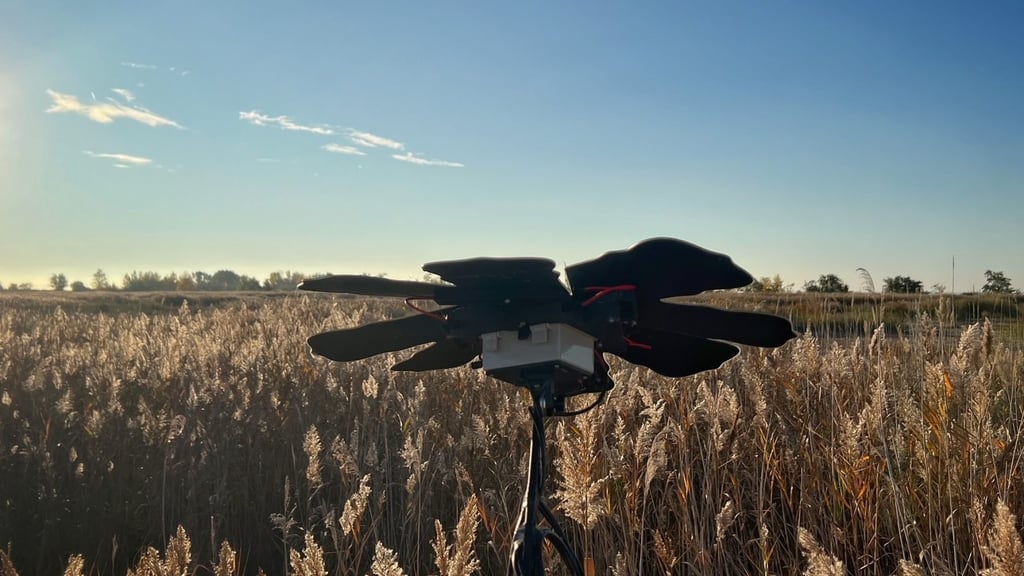
An AI model was also trained to analyse three years of saved audio – producing more than 12 terabytes worth of data collected between 2021 and 2024 – to provide insights to inform future conservation plans.
Dr Christian Schulze, of the University of Vienna, presented the findings from this project at the Tech4All Innovations for Biodiversity Forum held in the Austrian capital last month.
The AI model was able to identify a total of 69 bird species, representing almost all of the lake’s reed-nesting birds, and pinpoint the preference of different bird species for certain reed habitats – new, old, and ageing transition zones – to paint a clearer picture of the lake’s ecosystems.
“Hardly any reed harvesting has been done in recent decades, which has had a negative impact on the state of the reed belt,” Schulze said during the forum. With this in mind, the study investigated whether targeted fires could mimic the effects of harvesting and strengthen the lake’s biodiversity.
“To do this, areas that show different age conditions due to fires were compared,” he said. “The research showed that older reed beds harbour the greatest diversity of bird species. However, the analysis of individual species showed that controlled reed fires have positive aspects as well.”
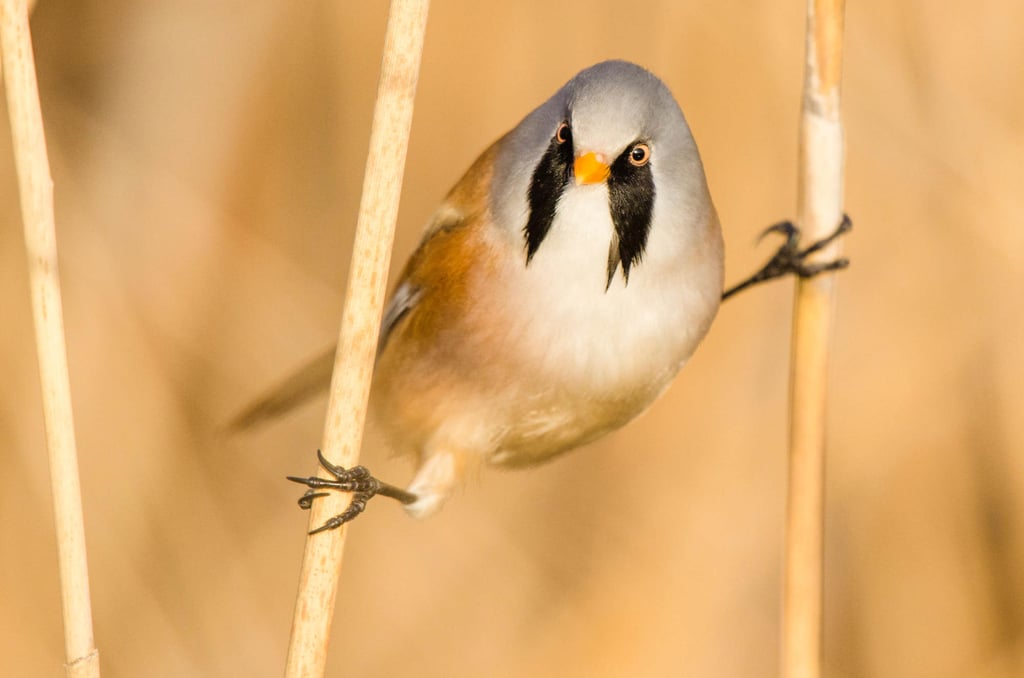
For example, bird species, including the reed warbler and bearded reedling, were found to prefer reeds which had burned down and regrown in recent years. To maximise the diversity of reed-nesting birds, the research said that Lake Neusiedl should have reed beds of various ages to accommodate the preferences of different species, and controlled fire management is a viable solution to rejuvenate ageing reed beds and help create these optimal conditions.
The use of modern technology, including AI to analyse sound recordings, meant that researchers were able to cover a much wider area and identify bird species more efficiently and accurately during the study.
“We have the ability to generate significantly more data and, above all, for an unlimited period of time – at any time of day or night and in any weather conditions when a researcher would never normally have been in the reeds,” Harald Grabenhofer, head of department at the Neusiedler See-Seewinkel National Park, said.
The study also presented new findings, which were not uncovered by earlier conventional research. “For years we assumed that the number of bluethroats in the reeds of Lake Neusiedl was decreasing significantly. In fact, it has now turned out the species has started to colonise the old reeds,” Schulze said.
This project has led to Huawei being nominated for Austria’s leading sustainable development goals award. The nomination coincides with the fifth anniversary of the Tech4All initiative.
“Digitalisation and the use of electronic means to obtain and process environmental data make an important contribution to identifying necessary measures and their impact on achieving the UN Sustainable Development Goals,” said Christian Holzer, general director of the environment and circular economy section at Austria’s Ministry of the Environment, reaffirming the initiative’s contribution for species protection in the area.
“The consequences of climate change are obvious in the area around Lake Neusiedl,” Astrid Eisenkopf, deputy governor of Burgenland, said. “From the joint Tech4All project, we hope to gain new insights into environmental protection and biodiversity. These will help us to keep the region in good condition for future generations.”
Huawei is continuing to support research efforts studying Lake Neusiedl’s reed bed ecosystems. Data is now being collected to better understand how changes to the lake’s water levels are affecting its bird population, which will support the development of further conservation plans to protect the lake.