Leaping off the page: 5 literary works visualised through dance
From a dark Southern Gothic tale to a surreal novel turned into a 3D sculpture, literary works offer endless possibilities for flawless dance to light up the stage

The arts such as music, theatre, painting and literature are well known to inspire each other.
The same is true of dance. Some of the world’s most popular stage dances have been based on books, including The Nutcracker, Sleeping Beauty and Romeo & Juliet.
Telling stories through dance has an ancient history.
The Ramayana, India’s first epic poem and one of the largest ancient epics in world literature, is often told through dance.
The poem is traditionally ascribed to the Hindu sage Valmiki, who is believed to have lived sometime from 5th century BCE to the 1st century BCE.
The story narrates the struggle of the divine prince Rama as he attempts to rescue his wife Sita from the demon king Ravana.
Ancient mystique brought to the stage – the ‘Ramayana’
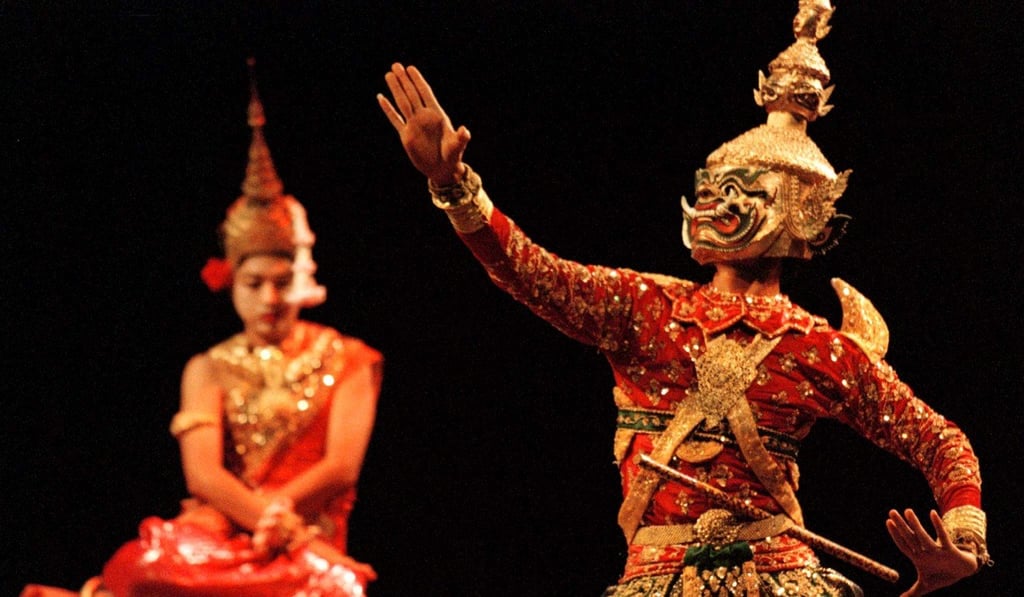
In Indonesia, specifically on Java and Bali, for example, there is Sendratari Ramayana, while in Cambodia it is known as Reamker.
Thailand’s classical dance, Khon, draws most of its story and characters from the Ramakien, which is Thailand’s epic based on the Sanskrit Hindu Ramayana.
By the Ayutthaya period (1350-1767), the Ramayana was already an established literary tradition in Thailand.
Khon Ramakien, originally produced as a form of entertainment in the royal courts, combines dancing and acting in elaborate masks or headdresses ... and has been strongly influenced by traditional Thai sword and baton fighting
The epic was renamed Ramakien, which means “the glory of Rama” in Thai.
While the main story is identical to that of the Ramayana, Thai context has been included, such as Thai-style clothes, weapons and scenery.
Khon Ramakien, originally produced as a form of entertainment in the royal courts, combines dancing and acting in elaborate masks or headdresses. The masks indicate the characters and their personalities, from monkeys to demons.
The dance drama has also been strongly influenced by traditional Thai sword and baton fighting, known as “krabi krabong”, so stylised acrobatic elements are commonly included.
However, Khon dance still retains a soft rhythm and precise elegance that is characteristic of traditional Thai dance.
Tuning to artificial intelligence – ‘Tree of Codes’
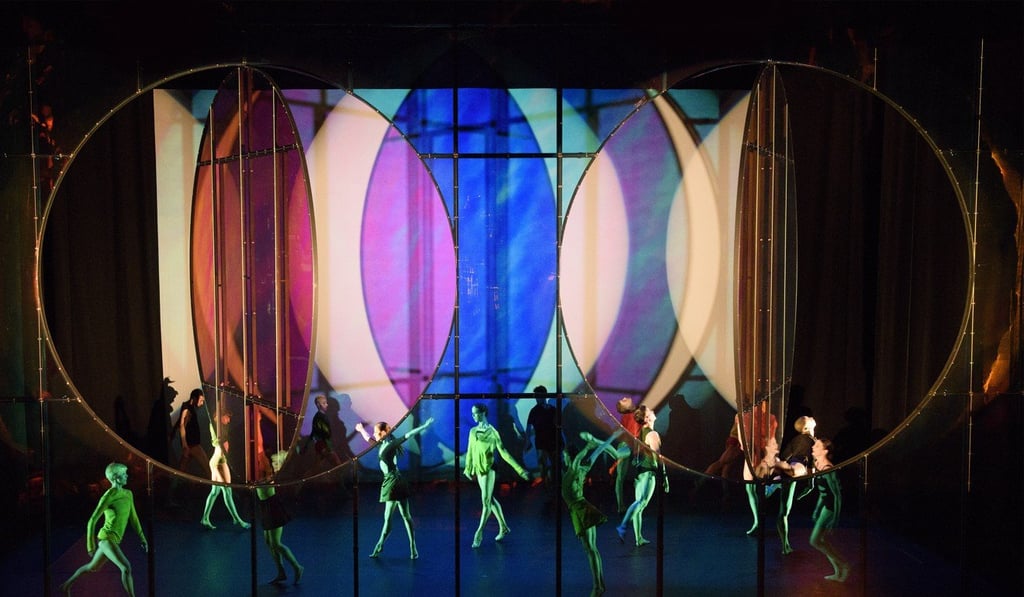
The book Tree of Codes, published in 2010, was created by American novelist Jonathan Safran Foer.
To make it, Foer took Bruno Schulz’s 1934 short story collection, The Street of Crocodiles, and literally – with scissors – cut out most of the words, changing the text on each page you flip to.
Foer’s book was then adapted into a dance piece by Olivier award-winning choreographer Wayne McGregor, electro-music composer Jamie xx – the professional name of James Thomas Smith – and visual artist Olafur Eliasson.
The contemporary ballet was first performed in 2015 in the UK as part of the Manchester International Festival. Its US premiere took place in 2015 at the Park Avenue Armory.
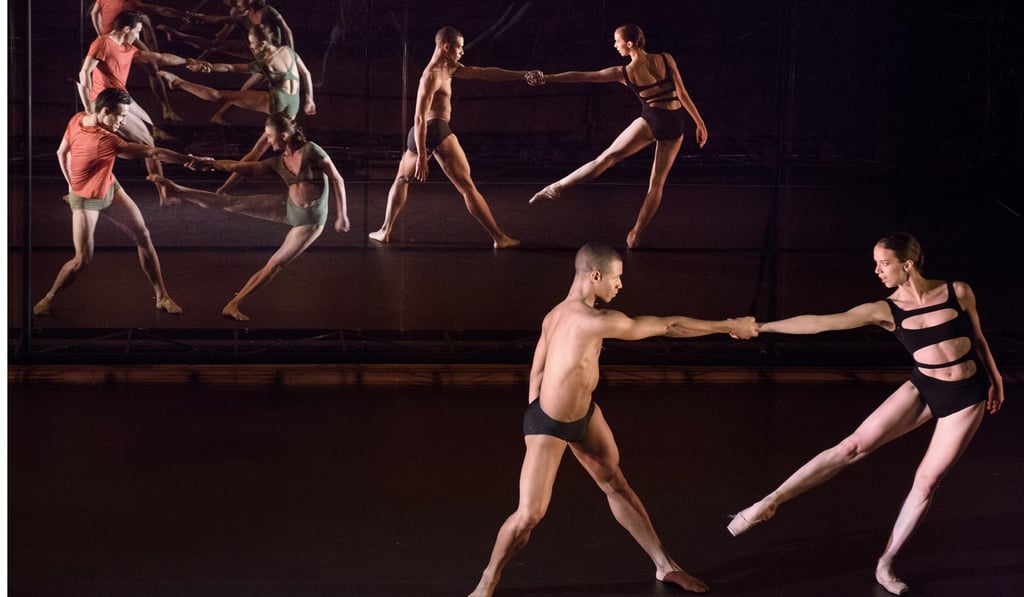
McGregor says the first time he read the book, he was struck by its physicality.
“I love that the book is very tactile,” McGregor says. “It’s a book that has a body for me. When I read it, it created a whole range of visual images … I thought it would be a phenomenal thing to try and do a translation of that, an iteration through dance.”
Award-winning producer Jamie xx composed the score using an algorithm that turned the text into music, lending an abstract feel to the show.
When I read the book, ‘Tree of Codes’ it created a whole range of visual images … I thought it would be a phenomenal thing to try and do a translation of that, an iteration through dance
Sculptural and installation artist Eliasson developed the visual concept, using mirrors, screens and lights affixed to dancers’ outfits to highlight the deconstructed, philosophical atmosphere.
The dancers wear mostly unobtrusive nude costumes and move with diamond-cut precision.
The piece runs at 75 minutes without pause, and the stage is constantly shifting with movement, beams of light and sets that reshape and reform.
Hong Kong audiences will have the opportunity to see this meta-narrative in movement when it will be performed at the Hong Kong Cultural Centre Grand Theatre on October 19-21 as the opening programme of the ninth New Vision Arts Festival.
Gothic classic in pure movement – ‘As I Lay Dying’
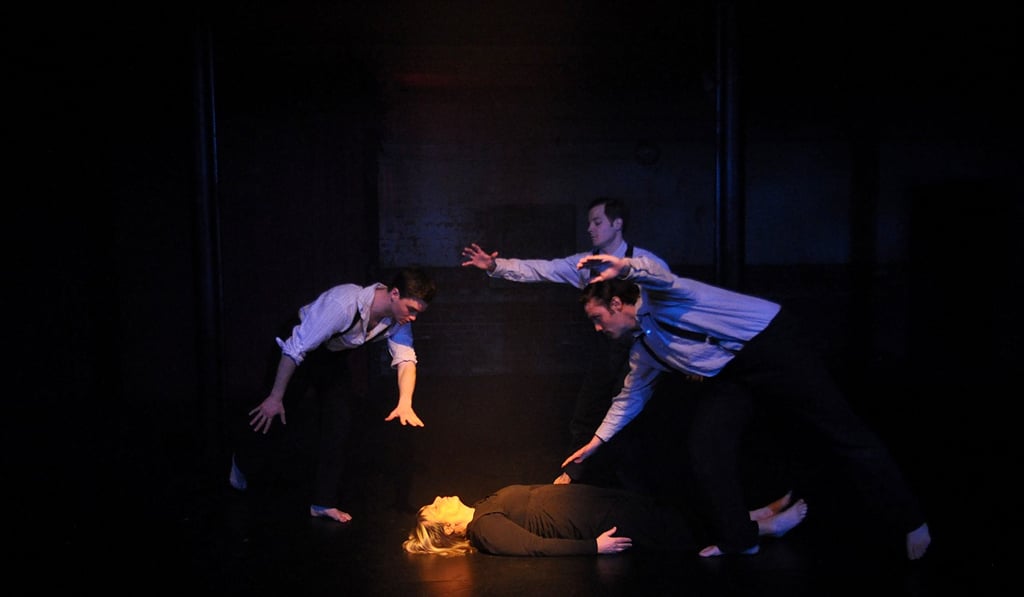
According to the author himself, the Southern Gothic work, his fifth novel, was written from midnight to 4am over the course of six weeks without revisions.
The performance of ‘As I Lay Dying’ by the Theatre Smith-Gilmour company, was a tour de force of experimental physical theatre – challenging the boundaries of dance and theatre with its stripped-down aesthetic and spare set
The result is a universe presented through Faulkner's stream of consciousness, multiple “narrators” and varying chapter lengths.
The title has been derived from Book XI of Homer's Odyssey, in which Agamemnon says to Odysseus: “As I lay dying, the woman with the dog’s eyes would not close my eyes as I descended into Hades.”
The adaptation of this 1930 novel was performed last year at the PuSh International Performing Arts Festival in Vancouver, Canada.
The show, by the Theatre Smith-Gilmour company, was a tour de force of experimental physical theatre.
It challenged the boundaries of dance and theatre with its stripped-down aesthetic and spare set, leaving the cast to create a rich physical world of water, fire and energy through movement, lighting and sound.
The show presented the Bundren family in all their misfortune as they moved the corpse of deceased matriarch Addie across the land to the town where she had asked to be buried.
The cast of seven performed 19 roles, paying tribute to the novel’s varied voices.
When fiction reflects reality – ‘The Handmaid's Tale’
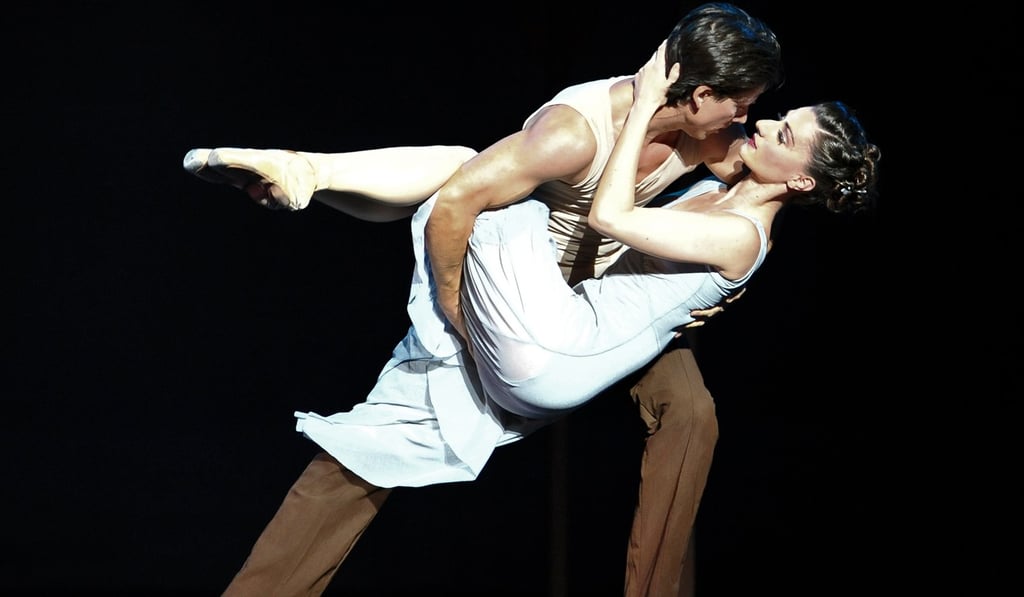
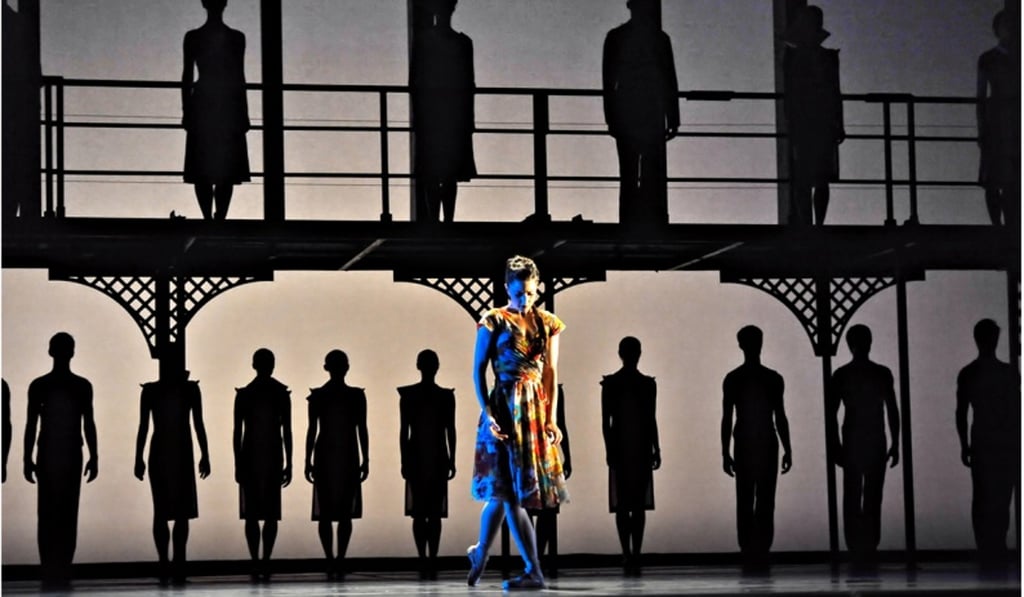
The novel, originally published in 1985, is set in the dystopian world of near-future New England.
A totalitarian, strictly patriarchal regime carefully controls the minds and bodies of its citizens, including the main protagonist, handmaid Offred, who attempts to regain her independence.
In an America led by President Donald Trump, ‘The Handmaid’s Tale’ book has been back on bestseller lists and ... has been referenced in demonstrations
In an America led by President Donald Trump, the novel has recently been back on bestseller lists, and the book and highly acclaimed television series that has recently aired have been referenced in demonstrations.
Signs reading “Make Atwood fiction again” have appeared on US streets, and women have donned the red robes of the handmaids in silent protest at threatened anti-abortion legislation.
Handmaid-inspired red robes have even made it to the catwalk, an unexpected influence considering Atwood says her original inspiration for the robes was an illustration for a 1940s Old Dutch kitchen cleaning product.
Acclaimed American choreographer Lila York has adapted Atwood’s novel for a performance by Canada’s Royal Winnipeg Ballet.
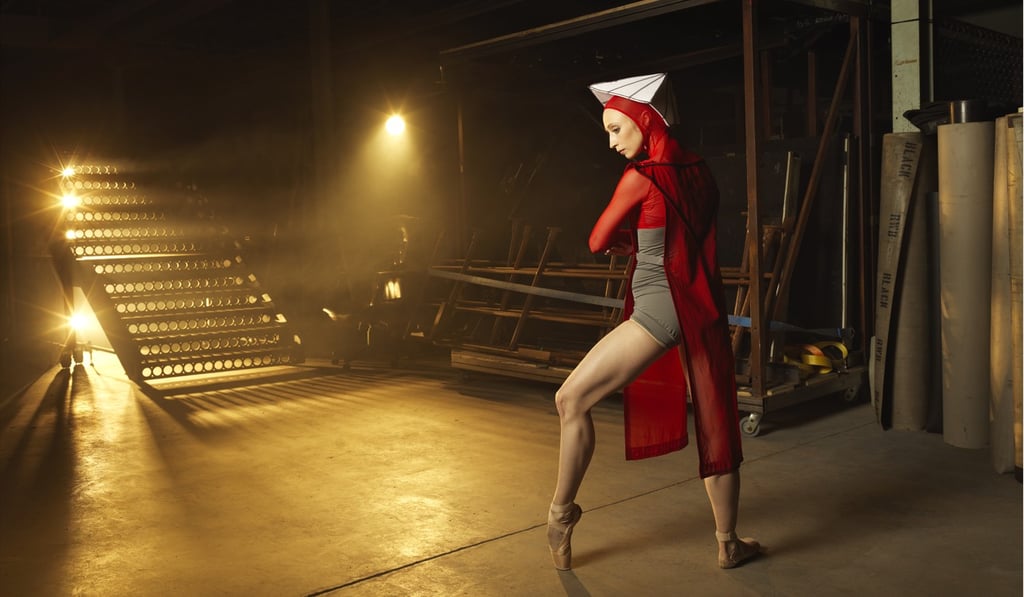
The show blends eye-catching costumes – striking red dresses and headpieces for the handmaids and purple frocks for the official wives – with a stark set including a towering steel gallery and staircase to evoke the controlled, divided world described in the novel.
Sexy, romantic horror – ‘Dracula’
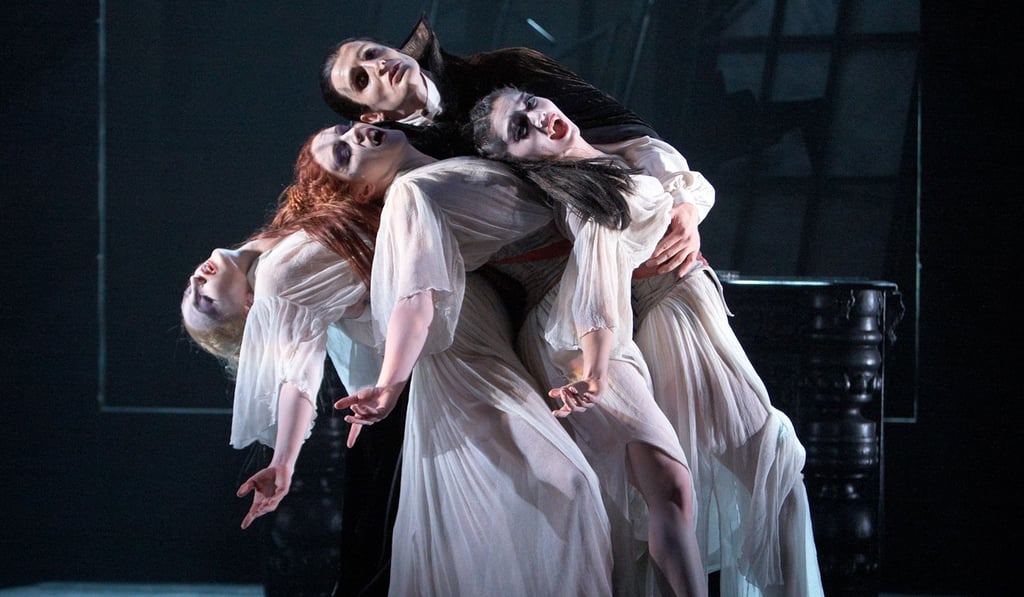
The novel tells the story of the vampire, Dracula, and his attempt to move from Transylvania to England so that he may find new blood and spread the curse of the undead.
It relates the battle between Dracula and a small group of men and a woman, led by Professor Abraham Van Helsing.
The recent version of ‘Dracula’ by acclaimed choreographer-director David Nixon, of the UK’s Northern Ballet blended sensuous dancing, gripping theatre and gothic sets and costumes to great effect ... and even had Dracula rising stark naked from his coffin
The ballet, set to rousing music by Alfred Schnittke, Sergei Rachmaninov, Arvo Pärt, and Michael Daugherty, blended sensuous dancing, gripping theatre and gothic sets and costumes to great effect
The dance theatre has been performed in modern stage adaptations around the world.
The shows are usually voluptuous and romantic, with plenty of heaving bosoms, unlaced bodices and neck-biting.
Certain adaptations have set the ballet to rock music, and added a steampunk aesthetic making it into a kind of “Rocky Horror Picture Show of the ballet stage”.
The recent version by acclaimed choreographer-director David Nixon, of the UK’s Northern Ballet, even had Dracula rising stark naked from his coffin.
The ballet, set to rousing music by Alfred Schnittke, Sergei Rachmaninov, Arvo Pärt, and Michael Daugherty, blended sensuous dancing, gripping theatre and gothic sets and costumes to great effect.
Whether they are contemporary or classic, serious or sexy, some of the most popular – as well as unusual – dance performances around the world have been inspired by books.
Art lovers around the world, including in Hong Kong, are in for a treat.