Cross-border collaboration crucial for Shaw Prize laureates’ cancer breakthrough
Three winners in life science and medicine honoured for joint efforts to understand and develop treatment for acute promyelocytic leukaemia

The Shaw Prize is a prestigious international award which recognises the scientists behind breakthrough achievements and insights that have a proven and lasting impact.
Presented each year since 2004 and named after the late Hong Kong philanthropist Run Run Shaw, the award and its various categories were inspired by his belief that successful scientific research is the key to unlocking the mysteries of the universe.
The constant search for knowledge and the answers it brings also advances human civilisation and – when centred on new medical diagnoses and cures – can have a profound effect on the health and well-being of people around the world.
That is certainly true in the case of the three joint recipients of the 2026 Shaw Prize in Life Science and Medicine.
Their work, focused on independent yet ultimately complementary projects over more than 30 years, became a long-distance collaboration where shared results, clear-sighted analysis and a willingness to test bold hypotheses led to an innovative method of cancer treatment that combines approaches derived from both Western and Chinese medicine.
This year’s laureates are French molecular biologist Anne Dejean, professor emerita at the Institut Pasteur, a biomedical research centre in Paris; French doctor and researcher Hugues de The, professor and chair of cellular and molecular oncology at the College de France and Hospital Saint Louis in Paris; and Chinese haematologist Zhu Chen, professor at Ruijin Hospital, Shanghai Jiao Tong University School of Medicine.
When combined, their individual contributions led to not only the discovery of the molecular and cellular bases of acute promyelocytic leukaemia (APL), but also a pioneering, synergistic targeted therapy. These advances have transformed what was once one of the most aggressive and deadly forms of cancer into one of the most curable.
APL is a subtype of acute myeloid leukaemia (AML). This aggressive form of blood cancer is caused by a chromosomal rearrangement that results in the fusion of the promyelocytic leukaemia (PML), a stress-response gene which inhibits cancer development, and the retinoic acid receptor alpha (RARA) gene. This abnormality produces the PML-RARA hybrid protein, which blocks blood cell development and leads to a life-threatening accumulation of immature cells.
Thanks to the discoveries by Dejean, de The, Chen and their collaborators, APL can now be treated effectively using retinoic acid, a vitamin A derivative, and arsenic trioxide, which destroys the abnormal hybrid protein and restores normal blood cell development. The 10-year survival rate for patients undergoing targeted therapy has increased to more than 90 per cent.
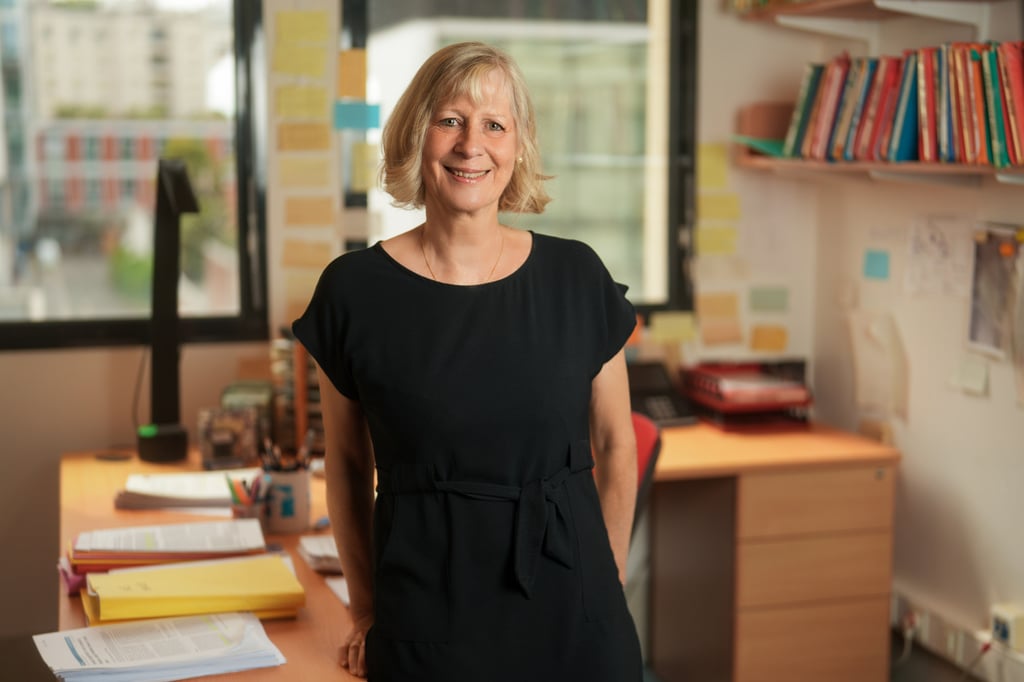
Dejean’s interest in molecular biology came from her childhood love of nature, sparked by long Sunday walks with her family in the forests near their home in western France and close observation of the beetles, ferns and mosses found along the way.
“From that point on, I knew I wanted to understand how living cells and organisms function,” she says.
Her parents instilled in her a spirit of freedom and critical thinking – two qualities she believes are essential for any future scientist – while her research was driven by a desire to lay bare the mechanisms responsible for the development of cancer cells and how a normal cell becomes diseased.
Dejean began her scientific research career studying the connection between the hepatitis B virus and liver cancer. An unexpected discovery of the genes for the retinoic acid receptor and its mutation in a liver cancer patient provided her team with the first evidence of its involvement in other types of cancer.
Together with de The, they found that the RARA gene is fused to one from another chromosome, the PML gene, to induce the molecular defect that causes APL. The PML-RARA hybrid protein disrupts the formation of membrane-less structures in the cell nucleus, called PML bodies. But administering a type of retinoic acid can restore the integrity of the PML bodies.
“Early on, if we couldn’t master an approach or technique, I initiated collaboration with a specialist in the field,” Dejean says. “Strictly speaking, my journey with APL took 18 years because every problem solved opens up new clues and challenges. The discovery of the retinoic acid receptor gene was serendipitous and marked the beginning of the whole story, but progress generally happens step by step.”
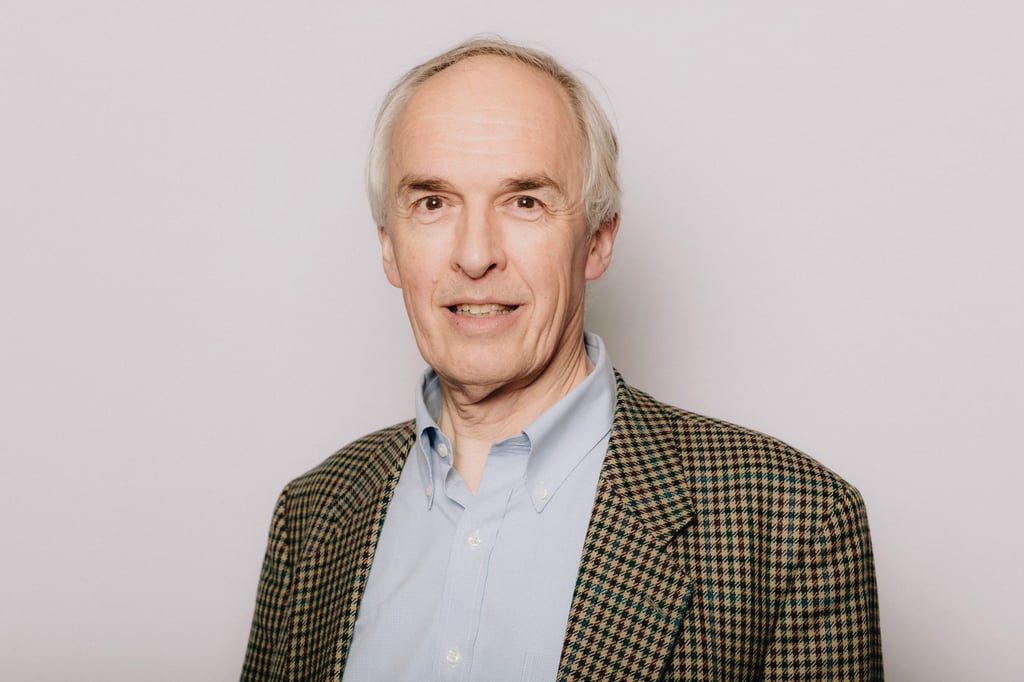
Meanwhile, de The’s APL research journey also happened “by chance” – the result of his passion for physiopathology (the study of changes in bodily functions caused by disease or injury) and inspiration from his father, Guy de The, who was a biologist with medical training. The elder de The, who had a strong interest in researching viruses that provoke cancer, was one of the first Western scientists to collaborate with their Chinese counterparts in the late 1970s.
Hugues de The says: “I studied medicine, but also had a major interest in molecular pharmacology [the study of how medicines work at the cellular and molecular levels] as a way to explore the pathogenesis of a condition.
“I realised that many therapeutic attitudes were based more on empiricism [the use of experiments or experience] than actual solid science and wanted to form a bridge between basic biology, research and medicine.”
Together with his mentor, French medical doctor and biologist Pierre Tiollais, de The made his first visit to China in 1987, to teach a course at the Shanghai Institute of Biochemistry. This led to regular visits and academic exchanges, which helped to develop further understanding of chronic infections, signalling information with the human genome, and the effects of retinoic acid on cancerous cells.
He often reminds his students that scientific experiments are never a straightforward journey, he says. “As a scientist with clinical training and an interest in physiopathology, my research doesn’t always start off with a specific goal, just like how I didn’t begin with the goal of investigating APL.”
Unexpected discoveries have made the work interesting, with the decision to pursue these surprising findings often based on the resources available and the possible benefits for science and society, he says. In the case of APL, the results have had a huge pay-off.
“Collaboration and idea exchanges are critical to the field of medical discovery, which is why it’s important for scientists to attend conferences and meet new people with different expertise,” de The says. “Scientific discovery is not done in isolation. The APL story shows that very well.”
Chen contributed to the molecular insights developed in France by identifying PML-RARA as an epigenetic regulator for target gene expression and played an important role in translating them to clinical practice. In particular, he was crucial in combining two separate therapies first discovered in China – the use of retinoic acid and arsenic – to treat APL.
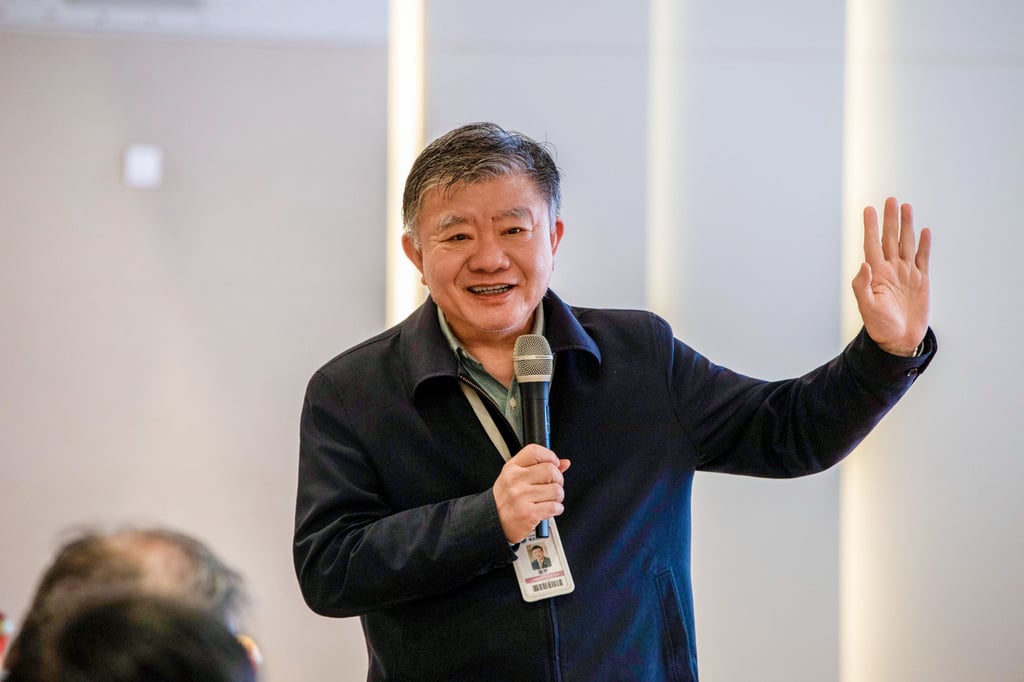
These methods had been devised by two influential Chinese medical scientists, pathophysiologist and haematologist Zhenyi Wang, who was also Chen’s mentor, and pharmaceutical chemist Tingdong Zhang.
Based on animal models of the disease, Chen’s pilot trials to use retinoic acid and arsenic in parallel on patients proved highly effective, leading to it being established as a standard, non-chemotherapy-based form of treatment.
In collaboration with de The, Chen discovered the arsenic binds to the PML portion of the hybrid protein and the retinoic acid to the RARA part, causing its destruction and leading to high rates of remission for the patients involved.
Significantly, these findings also helped to confirm the efficacy of arsenic – more usually thought of as a type of poison – and why it has long been used as an active agent in human cancer cures prescribed by practitioners of traditional Chinese medicine (TCM).
“Acute leukaemia is considered one of the most malignant diseases, and the treatment was very difficult,” says Chen, who started his training in patient care and public health in rural China in the early 1970s before studying at a top teaching hospital in Shanghai.
“We thought about alternative ways to deal with cancer and the so-called regulatory pathways. We also noticed that, in Western literature, some scientists had raised the concept of differentiation therapy, where you don’t use surgery, radiation or chemotherapy to kill malignant cells.”
That approach mirrored the philosophy of TCM, which holds that it is better to transform something bad into something positive, rather than just killing it. Drawing on the insights and practices from both China and the West led to the exchanges and breakthroughs that have brought new hope to APL patients and, potentially, those with other forms of cancer.
Dejean’s thoughts, which are shared by de The and Chen, best sum up the lessons learned from the APL journey. “Our collaborations illustrate the power of synergy and the vital interplay between basic science and medicine,” she says. “Each person’s work advances and enriches the others’, which ultimately benefits the patients.
“Science is a universal language that builds bridges between countries. The story of APL illustrates the importance of cross-border collaboration. Many issues we face today are global, so sharing knowledge and expertise among scientists from different backgrounds is essential.”