Why Hong Kong’s gourmet scene excites and intrigues writer Agnes Chee
- Malaysian – passionate about cuisine since her childhood – has spent 15 years as observer of city’s food and drink industry
- Local chefs and experts help her to write book that documents Cantonese dishes that may ‘vanish’
There have been many noteworthy changes to Hong Kong’s gourmet landscape in the past 10 years, says food writer and critic Agnes Chee as she expertly makes her way through a busy wet market in Ap Lei Chau, well-known for offering the city’s freshest selection of seafood.
Chee, 43, a Malaysian who has called Hong Kong home for 15 years, says the city’s chefs and cooks are increasingly opting for local produce as they embrace the farm-to-table dining concept that has been gaining international prominence.
“It’s great that Hong Kong is catching up [with the trend] because now we get to enjoy fresher food,” she says. “Supporting local farmers and producers is also more sustainable for the environment.”
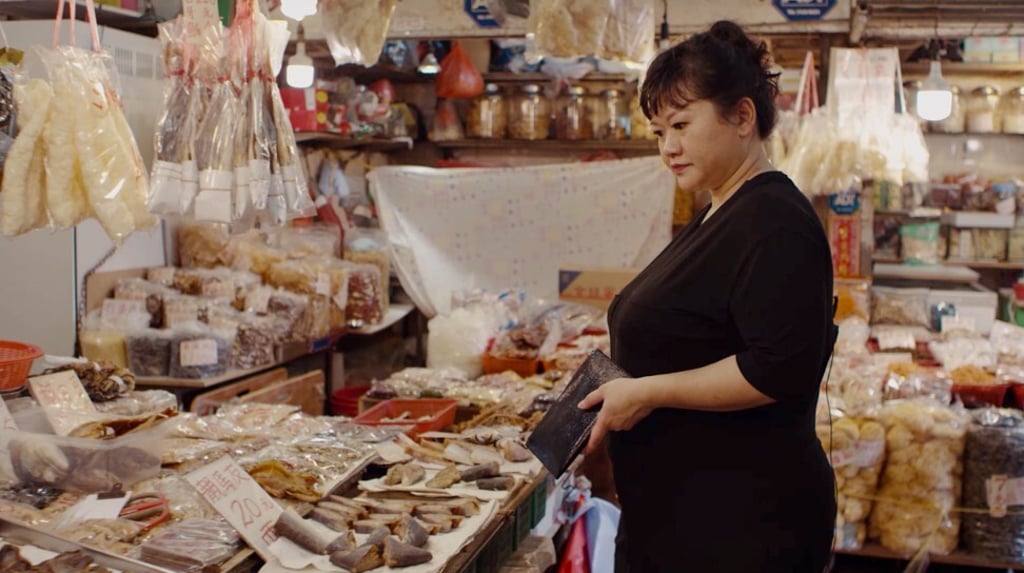
Hong Kong has plenty of local organic produce grown by farms in the New Territories, Chee says. “The great variety of our locally caught seafood is also unimaginable.”
Cantonese cuisine is also starting to show modern twists to recipes as some chefs incorporate imported Western delicacies such as caviar, truffle and foie gras to re-create familiar dishes, she says.
The industry is very competitive here, so every restaurant owner and chef is giving everything to offer customers the best dining experience
“Ultimately, the industry is very competitive here, so every restaurant owner and chef is giving everything to offer customers the best dining experience.”
The dynamism and evolution within the industry have helped to keep Chee curious and passionate about food – particularly Cantonese cuisine – since she was a child.
Laborious craft of Cantonese cuisine
Chee grew up in Kuala Lumpur, the capital of Malaysia, where a sizeable population migrated from Guangdong province generations ago.
She counts classic Cantonese dishes such as stir-fry grouper fillet with spring onion and ginger and sweet-and-sour pork among her favourites.
Her parents were business professionals who enjoyed cooking from scratch, especially on special occasions. “They were really good at cooking; we even made our own mooncakes,” Chee says. “I think that’s where my love and knowledge of Cantonese cuisine grew.”
She recalls dim sum lunches with her family every Sunday and queuing up for roast duck with her father after school.
“My childhood memories are filled with the aroma and flavours of quintessential Cantonese dishes.”
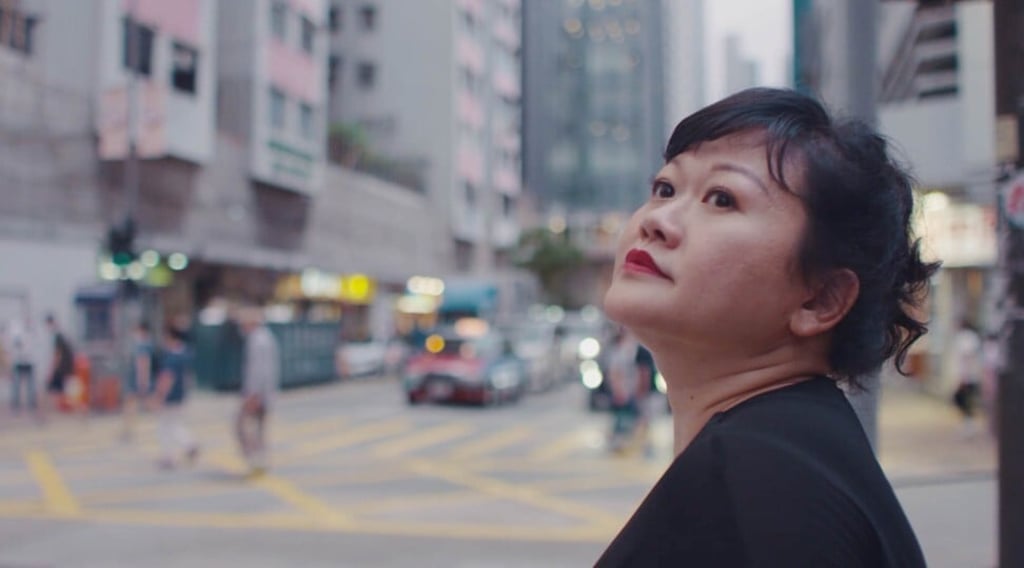
Chee says even the simplest sounding Cantonese dish takes tremendous effort to prepare. “Take steamed fish, for example – its flavour comes from dry tangerine peel that has been steamed with salt and lemon, and aged over time. It’s truly labour intensive,” she says.
Traditional double-boiled pig stomach soup with chicken and bird’s nest, is another example. She says that first you must debone a chicken, stuff it with bird’s nest, then insert it inside a pig’s stomach before boiling the combination for hours to create a flavourful clear soup.
Preparing such a dish is so laborious that it has been taken off the menu at most restaurants. “It’s become too complex, time-consuming and costly to keep serving these traditional delights,” she says.
In terms of both quality and quantity, Hong Kong’s gourmet culture is of international standard... The city’s food culture never stops to amaze me; it is diverse, rich and always evolving
However, Chee was determined to chronicle how dishes such as this are prepared before they become forgotten and spent three years working with local chefs and Cantonese cuisine experts to write her book, Vanishing Flavours of Cantonese Cuisine, which was published last July.
“It’s a pity that these dishes are so little-known today and there are no published records of them, so I find it necessary to write down [the recipes],” she says. “The book is my personal contribution to my own roots.”
Hong Kong’s heartbeat
The deeper that Chee dives into the culinary world, the more she appreciates the city’s food scene.
“In terms of both quality and quantity, Hong Kong’s gourmet culture is of international standard,” she says.
“The city’s food culture never stops to amaze me; it is diverse, rich and always evolving.”
She attributes the city’s vibrant dining scene to Hong Kong’s booming economy during the 1970s, its unique geographical location and the melting pot of different cultures, which have combined to create the best of both Eastern and Western cuisines.
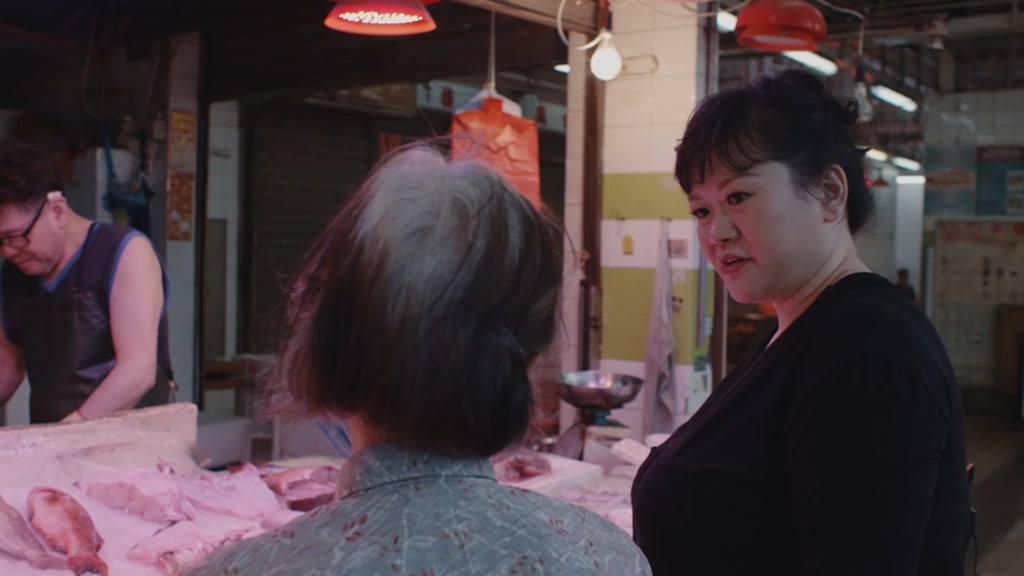
At the heart of the city’s culinary treasure trove are the wet markets, which Chee regards as one of Hong Kong’s “hidden gems”.
She says: “I love going to – and bringing visitors to – our wet markets to experience the high energy and the camaraderie among vendors. The human connection is my favourite bit about the wet markets.”
Vendors are happy to recommend a variety of different methods and recipes for cooking a fish or other fresh produce they are selling, she says.
“They enlighten, inspire and bring life to the heart of Hong Kong’s food scene in its most authentic sense. This energy and passion are what represents Hong Kong.”
Must-try eats on the Island’s east side
Often overshadowed by star-studded Central and Western Districts, Hong Kong Island’s Eastern District offers its own unique breadth of culinary gems.
I M Teppanyaki
As the only teppanyaki restaurant given a Michelin star in Hong Kong, I M Teppanyaki is a culinary treat for anyone who appreciates top-notch ingredients, precise grill skills and captivating showmanship.
Shek Kee Kitchen
Once a well-kept secret among Tin Hau residents, Shek Kee Kitchen achieved wider acclaim after being named a Bib Gourmand restaurant in 2012 – and the next eight years. An unassuming cha chaan teng by day, Shek Kee Kitchen attracts a huge foodie following at night with its seasonal menu and cosy atmosphere.
YUÈ
Serving exquisite Cantonese dishes with a contemporary twist, YUÈ is a favourite among food critics. The hotel restaurant has won numerous awards, including a successive Michelin star. In 2020, it was named a Michelin Plate restaurant.
BriKetenia
An outpost of the eponymous Michelin-starred hotel-restaurant in Guethary, Southern France, BriKetenia Hong Kong is run by Junya Nakanishi, former chef of the award-winning Signature in Tokyo and Pierre at Mandarin Oriental Hong Kong.
Congee and Noodle Shop
This shop has been included on Michelin’s Bib Gourmand list for the past eight years. Its master chef, dubbed the “King of Congee” by industry peers, previously ran the renowned Sang Kee Congee in Sheung Wan. The congee stock is made daily from scratch.
Snapper
Every morning, the restaurant’s chef buys fresh snappers from Aberdeen Wholesale Fish Market and simmers them into a creamy, flavourful stock. It has been voted one of the district’s favourite restaurants on OpenRice and serves mostly udon or rice soup dishes.
Kyo Hayashiya
Recognised as one of the top three eateries in Eastern District by the OpenRice Best Restaurants Awards, this matcha speciality dessert shop from Kyoto boasts a history of more than 200 years. Kyo Hayashiya is the inventor of matcha parfait and hojicha (Japanese roasted green tea).
Hop Sze Restaurant
This cosy eatery, listed as a Bib Gourmand restaurant in the Michelin Guide Hong Kong 2020, serves hearty Cantonese dishes and soups. Operating more like a private kitchen, Hop Sze’s menu does not display most of its dishes. Call ahead for a reservation.
The recommended itinerary was adapted from, and first published in, the Hong Kong Tourism Board “Holiday at Home” campaign, which was created to inspire and encourage Hongkongers to discover the city’s hidden treasures. For more detailed guides and tips, visit HolidayHK.com.