How 2001: A Space Odyssey influences designer Frank Leung’s vision of homes of the future
- Founder of multifaceted Hong Kong practice, responsible for 28 Aberdeen Street and ArtisTree, says studio is returning to its private residential design roots
- Over the years Leung, who trained as architect and makes functionality a priority, has been driven to outperform his rivals and surpass client expectations

For Frank Leung, 2019 is a significant year. It marks the 10th anniversary of via architecture, the Hong Kong multidisciplinary design studio that the University of Texas graduate founded with his wife, Irene Lai, in 2009.
“It’s come full circle,” says Leung, who is also principal of the design studio, while Lai is director of development.
[Working at Sun Hung Kai] it boiled down to how I could satisfy my customers better than the competition. My time there gave me an insight into what the customer wants and how to exceed their expectations
“We started with small private projects, then we grew and we started doing all this real estate stuff. In the past couple of years we’ve spent a lot of our energy on a variety of projects, including retail projects.”
This year, Leung and his team find themselves working on private residences once again, but on a range of different scales.

“We started 2019 wondering if we could do something more process-driven, and not really be mindful of the scale, as long as it’s physical, it’s material, it’s got [a] programme and it’s planned,” he says.
“So you’re going to see a lot of different projects from us. It’s not going to be, ‘Oh Frank, you’re working on yet another set of 500 flats’.”
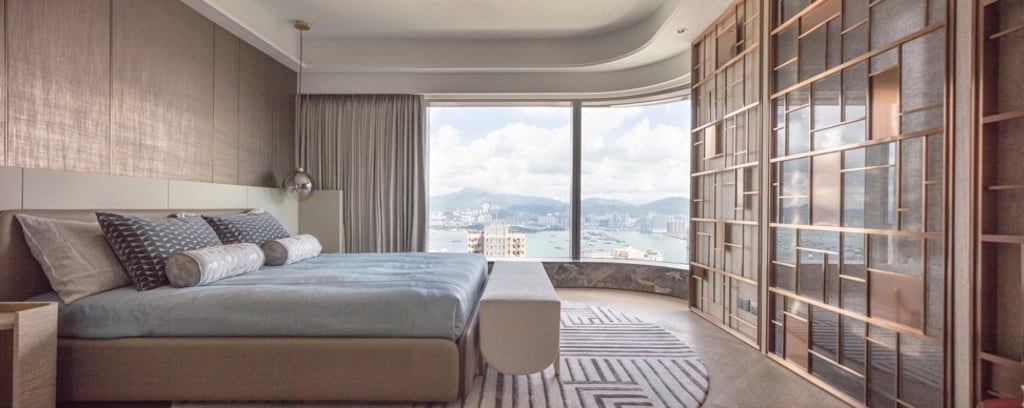
Leung has plenty of experience of working on massive developments: he spent eight years as the design manager at Hong Kong property developer Sun Hung Kai.
“It boiled down to how I could satisfy my customers better than the competition,” he says. “My time there gave me an insight into what the customer wants and how to exceed their expectations.”
It is an approach he has carried with him throughout his career and it now imbues every aspect of via architecture’s design projects.
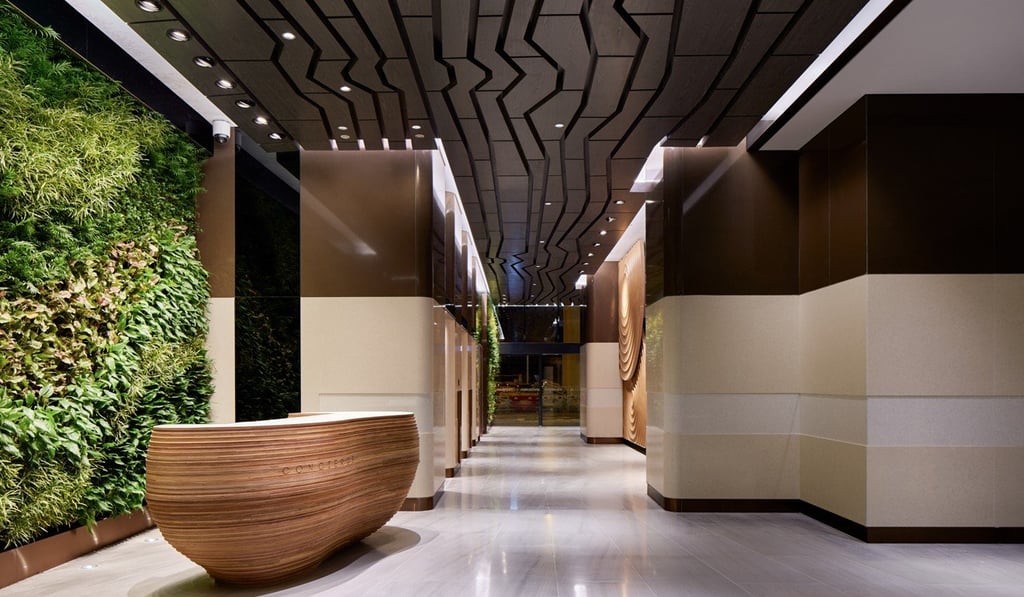
We always try to outdo ourselves in terms of storage and the ease of use and durability of things. We focus on these things first – the things you can address in a dimensional and layout kind of way
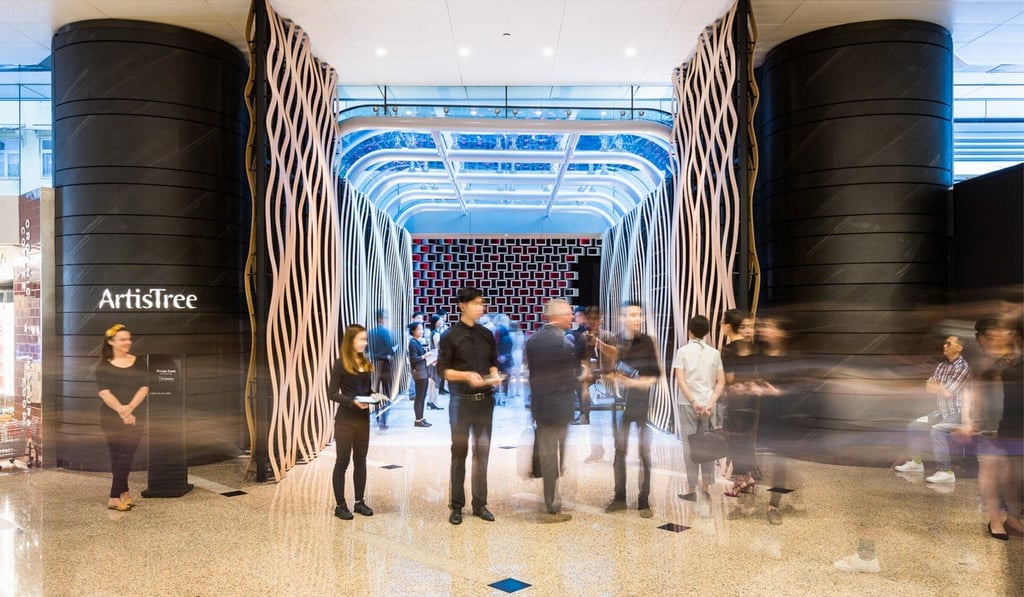
Its work ranges from graphics and signage to interiors and architecture, and from Hong Kong office buildings such as W50, a boutique commercial building for small businesses in Wong Chuk Hang and interiors of a boutique residential development at 28 Aberdeen Street to Swire Properties’ dynamic, multipurpose event space, ArtisTree, in Taikoo Place.
“We always try to outdo ourselves in terms of storage and the ease of use and durability of things,” he says. “We focus on these things first. They are the things you can address in a dimensional and layout kind of way; this is the architect part of what we do.
“When we come to the interiors part, that’s when the aesthetics come in. For example, we’re doing [the Sai Wan residential development of] Novum West for Henderson Land.
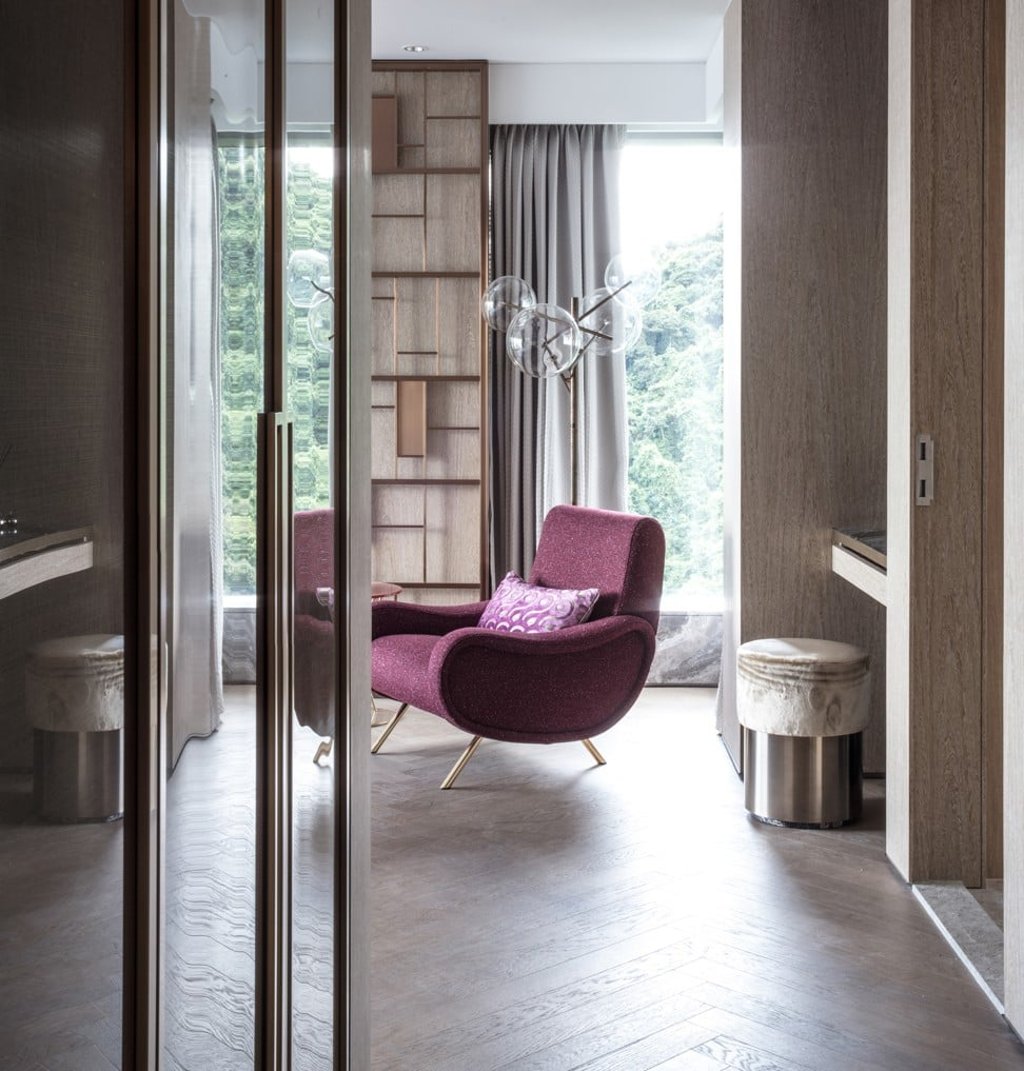
“It’s located near the University of Hong Kong and it has an intellectual, academic kind of atmosphere. The clubhouse is a modern interpretation of old libraries and these grand, academic spaces.
“There was no light in the ceilings of these libraries, because it was all so high and so lofty that everything became an island.
“That kind of aesthetic informs and drives what happens in the apartments at Novum West, too, in terms of the palette, the materials and how everything comes together.
“But a lot of the time, the functional requirements have to be satisfied at the architectural level before the aesthetics can come into play.”
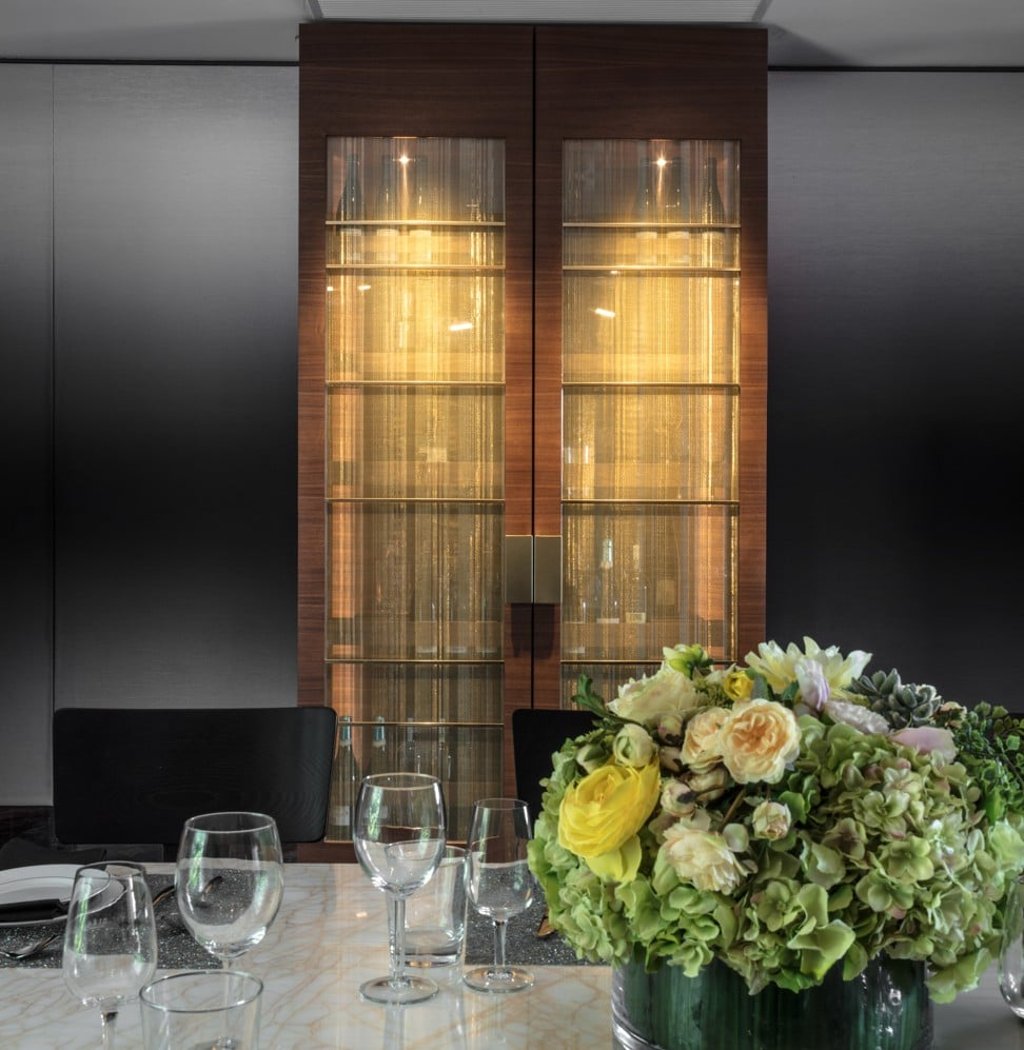
It’s also function first when it comes to technology, Leung says. “It comes down to things being intuitive and convenient. If we work on a private home, 80 per cent of the time the husband wants some really complicated tech, and the wife comes along and says, ‘Please don’t interrupt the daily flow and function of our home.’”
As well as technology that’s easy to navigate, Leung says that, as a firm, it likes tech that’s unobtrusive. “For example, those OLED and LED television screens that are so slim they look like picture frames: we love it when tech can become a decorative piece,” he says. “When it’s integrated, it disappears, and it’s only there when you need it.
“I see the future as being a place where we still want to be surrounded by the furniture and belongings we’re comfortable with and that tech will only be there when you need it. I don’t want to live in a spaceship.
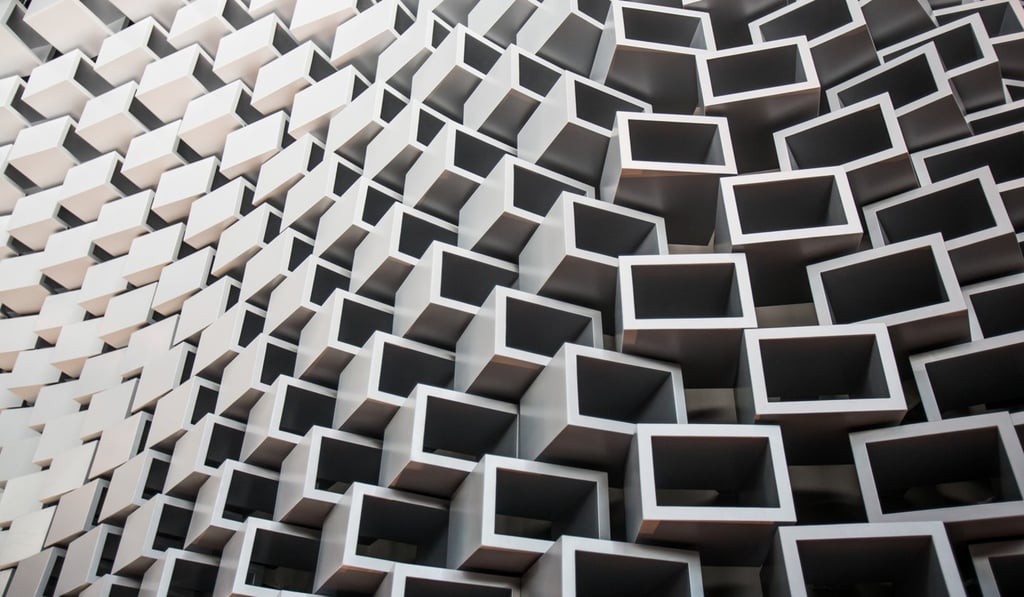
I see the future as being a place where we still want to be surrounded by the furniture and belongings we’re comfortable with, and that tech will only be there when you need it. I don’t want to live in a spaceship
“A good example of what this vision might look like is [the Stanley Kubrick and Arthur C. Clarke film] 2001: A Space Odyssey, when the main character finds himself in a home right at the end and everything’s really traditional, except for the glowing floor.”
What, then, does home mean to Leung, now and in the future? “It’s a sanctuary – somewhere you feel free to do whatever you want and spend time in whichever corner you want to,” he says. “It’s a place that doesn’t need you to be careful with it. You just have to be really relaxed – it slows you down.”
Everyone has a different approach to style, technology and home entertainment, but “comfort is the factor that’s most important”, he says.
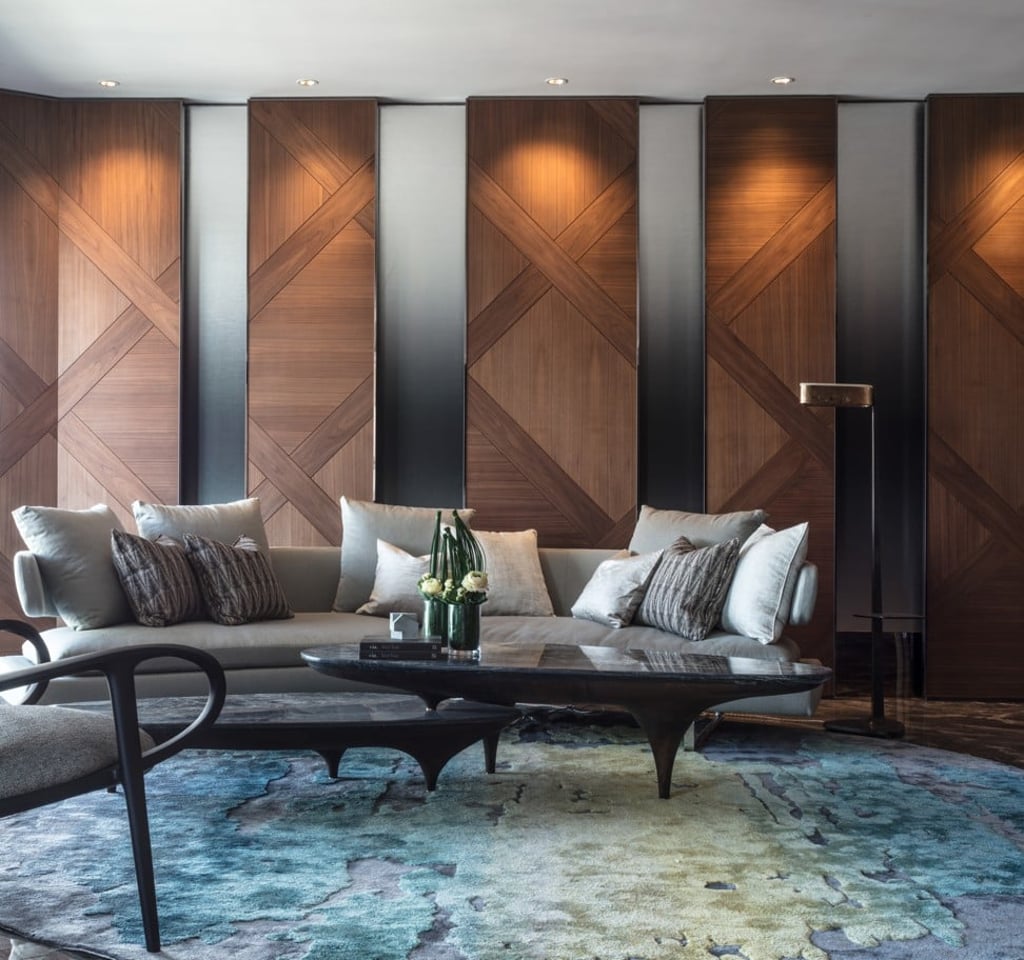
“I don’t know if I have one generic piece of advice that applies to every homeowner, but when we go through the process with our clients, we start by understanding how they live,” he says. “Are they the entertaining types, or are they very private? Do they have kids or pets, do they like to sit around on the sofa?”
The answers to these questions then infuse Leung’s design. “It’s an interpretation of who we think they are, and we don’t always do a 100-per-cent overhaul,” he says.
“People often ask us, ‘Can we keep this?’ and we often answer, ‘It’s so nice, don’t get rid of it’. I keep encouraging my clients not to be afraid. Surround yourselves with the things that make you happy.”
This story is the second episode of a five-part series about Hong Kong-based designers who have made a mark on the international stage.