How Unesco’s Creative Cities Network is redefining urban development
From Macau’s City of Gastronomy status to Unesco’s new focus on architecture, the UCCN is rewriting how cities harness creativity to shape their future

In an increasingly globalised world, culture is the common thread that binds communities together. For over two decades, the Unesco Creative Cities Network (UCCN) has worked to weave loose local threads into a cohesive global fabric, bringing together urban centres from all over the world. Its goal is to champion creativity in a way that helps make that sometimes ambiguous force a concrete driver of sustainable development, placing it at the heart of urban policy and international cooperation.
Since 2017, Macau has flourished as a culinary pillar of the UCCN, one of its Cities of Gastronomy. Now, in the network’s third decade, the definition of a “creative city” is undergoing a profound transformation. When the UCCN was founded in 2004, the concept was often considered through an economic lens. In his 2002 book The Rise of the Creative Class, academic Richard Florida wrote of “the rise of creativity as a fundamental economic driver” and suggested that the wealth of any territory is linked as much to the presence of creative professional classes as to that of scientists, engineers and lawyers.
“In the early 2000s, creativity was often understood as a driver for attracting talent, investment and tourism. Over the past two decades, the concept has evolved towards a model of culture-driven sustainable urban development,” says Denise Bax, secretary of the Unesco Creative Cities Network.
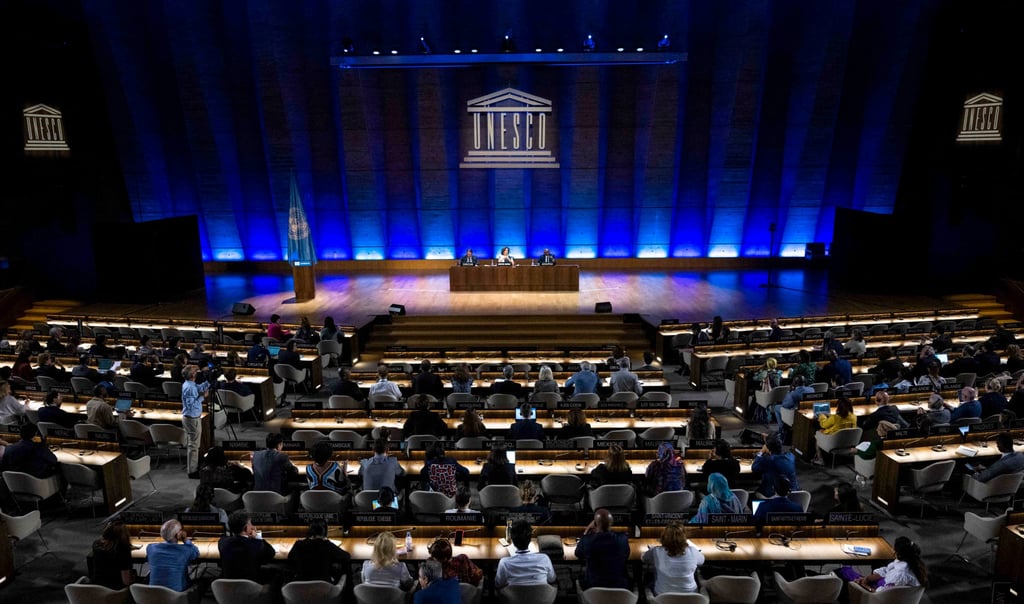
In other words, being a Unesco Creative City involves more than hosting a famous film festival or a buzzing street food scene. It’s about integrating culture into public policy, education and environmental strategies. That is why UCCN cities have, according to Bax, become “living laboratories” in which creativity is seen as a tool for solving 21st century problems.
This evolution is tied to the United Nations’ 2030 Agenda for Sustainable Development. UCCN member cities pledge to support that agenda, with the network serving as an actor for Sustainable Development Goal 11: “make cities and human settlements inclusive, safe, resilient and sustainable”.
By placing culture at the heart of urban planning, UCCN cities prove that creativity is an “enabler” of progress. Whether it is using music to foster social inclusion in marginalised neighbourhoods or leveraging gastronomy to promote sustainable food systems, the network maintains that preserving a city’s cultural heartbeat is essential to its survival.
Evidence for Bax’s assertion that the UCCN continues to evolve came in a landmark move last year when the network added architecture as its eighth creative field, joining crafts and folk art, design, film, gastronomy, literature, media arts and music. “Architecture sits at the intersection of culture, urban planning and public life,” says Bax.
We encourage place-based and people-centred solutions that are adapted to each city’s unique cultural and social context
By elevating architecture, Unesco hopes to tackle issues around rapid urbanisation and climate adaptation. The goal is to move beyond sustainable construction towards more “human-centred” cities – creating public spaces that respect local identity while responding to global environmental pressures.
One might assume that the UCCN is a club for rich cities – those municipalities with wealth to spare for a luxury like culture – but Bax stresses that the network’s greatest strength lies in its ability to support cities that lack traditional infrastructure. Through the UCCN Secretariat, smaller or emerging cities gain global visibility that they could never achieve alone.
“Member cities benefit from a wide range of opportunities, including peer learning and exchanges of good practices,” Bax notes. This collaborative model can enable a city in Africa or Southeast Asia to adapt a successful creative initiative from Europe or South America to its own local context, “encouraging place-based and people-centred solutions that are adapted to each city’s unique cultural and social context”.
Today, however, a new shadow – or opportunity – looms: generative AI. With AI now writing poems, designing buildings and composing symphonies, is there still a place for human creativity?
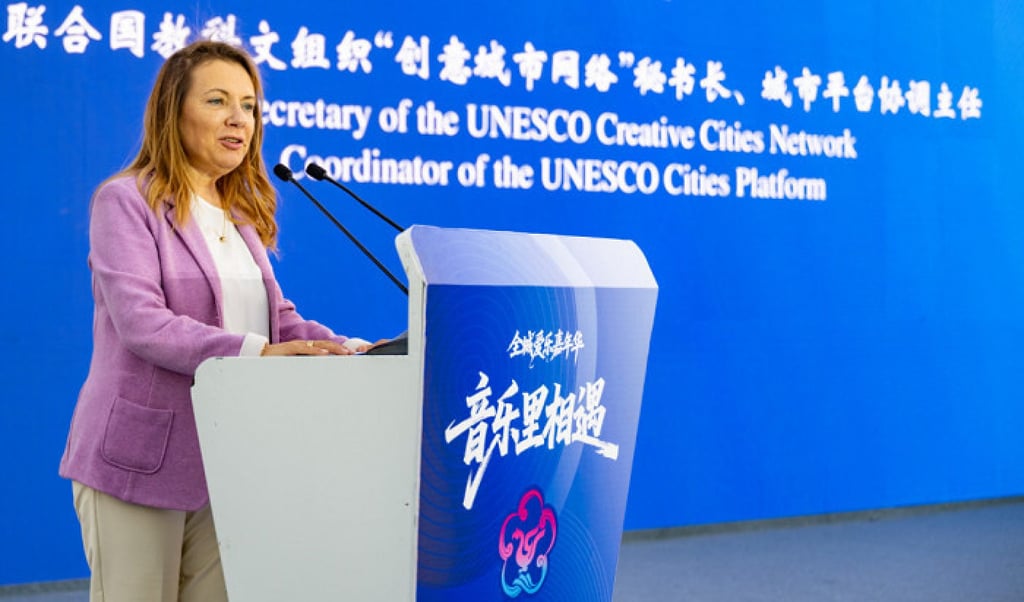
Bax is pragmatic but cautious. While agreeing that AI can “expand creative possibilities”, she insists the UCCN’s focus remains “human centred”. “The goal is not to replace human creativity,” she says, “but to ensure that digital technologies support artists, cultural professionals and creative communities, while preserving cultural diversity and protecting the rights of creators.”
The spirit of collaboration seen at the International Cities of Gastronomy Fest Macao serves as a prelude to the next major milestone: the 2026 UCCN annual conference in Essaouira, Morocco. As the most important gathering of the network, the Essaouira summit will bring together mayors, key stakeholders and cultural leaders from all member cities to reaffirm culture as a “global public good”, building on international milestones such as the Mondiacult 2022 Declaration and 2024’s UCCN Braga Manifesto.
Macau’s role in this network remains vital. As a City of Gastronomy, Macau isn’t just sharing recipes and ingredients, it is contributing to a global dialogue on how a city’s heritage – whether in food, music, architecture or another facet of culture – can fuel its future. As the world begins to think beyond the UN’s post-2030 development framework, lessons learned in Macau will help ensure that the cities of tomorrow are defined not just by their economic performance but by the ingenuity of the people who live in them.