Stemming the tide: how seashells can restore Tai O’s coastal habitat
Prudential and A Plastic Ocean Foundation are joining efforts to protect one of Hong Kong’s most flood-prone villages from shoreline erosion

As Hong Kong’s typhoon season approaches, climate change could intensify the strength of tropical storms, bringing disaster in their wake. Low-lying areas such as Tai O, a small fishing village on Lantau Island, are especially vulnerable. In recent years, this peaceful community of stilt houses and winding waterways has been battling an increasing number of extreme weather events that threaten people’s lives and livelihoods.
Located in a remote area and with many elderly residents, Tai O lacks many of the resources required to combat natural disasters, which are often accompanied by heavy rainfall and high winds. Recent extreme weather, like that experienced during super typhoons, brought record-breaking storm surges that submerged entire neighbourhoods, with floodwaters reaching 3.36 metres in some instances. “Back in 2018, Typhoon Mangkhut caused severe flooding in our village and seriously disrupted our daily lives,” recalls Tai O resident Samuel Wong.
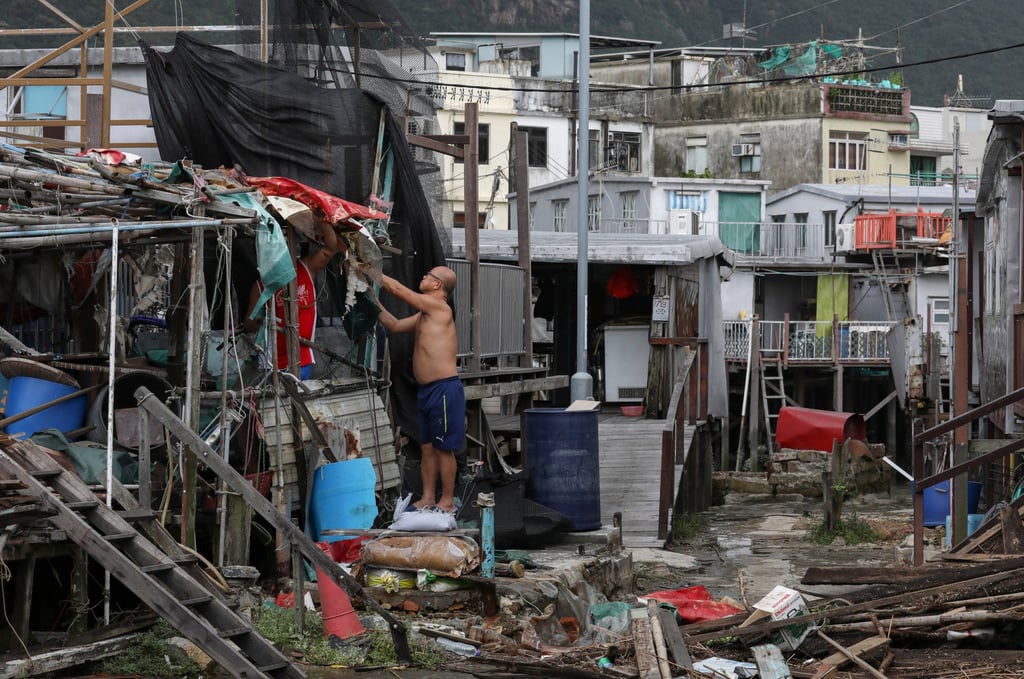
The village’s once-rich biodiversity is also under threat. Formerly an abundant species in the area, the Chinese bahaba (Bahaba taipingensis), known locally as the “Tai O Fish”, is critically endangered. Warming waters, habitat loss and over-harvesting have diminished marine life, while coastal erosion has reduced natural protection from incoming waves, leaving the area more exposed to storms.
In response to these challenges, A Plastic Ocean Foundation (APO) is leading an initiative to promote sustainable coastal management. In collaboration with the Hong Kong Red Cross, this initiative is supported by Prudence Foundation, the community investment and philanthropic arm of Prudential, and Prudential Hong Kong.
Using eco-friendly units made from seashells, APO re-engineers the sea floor as a nature-based alternative to traditional sea walls. “Living shorelines can help increase seabed complexity,” explains Willy Kwong, the foundation’s director. “This added complexity not only helps reduce wave energy, but also provides a habitat for marine life, which, in turn, can help the local community continue its traditional livelihood.”
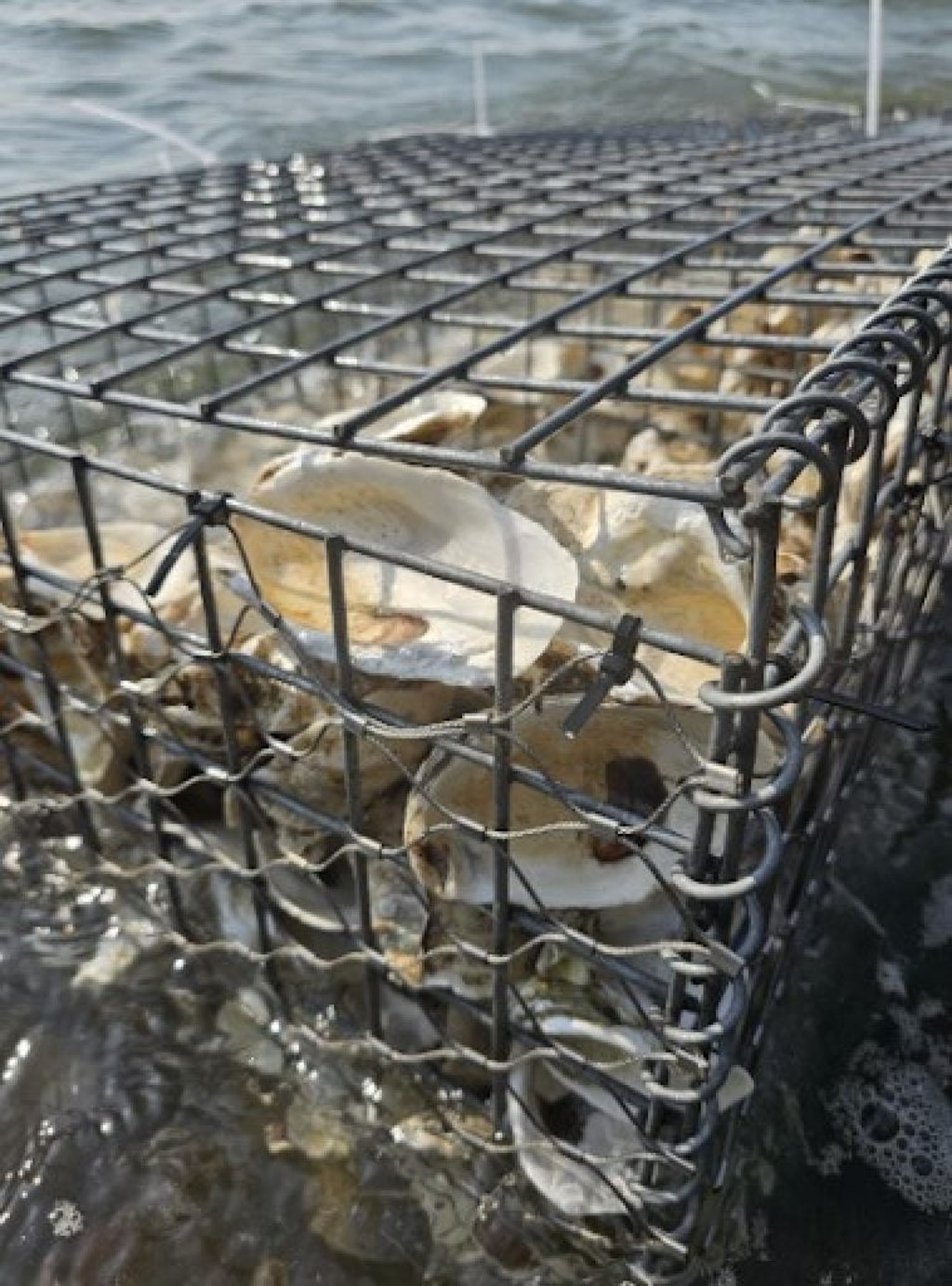
The project uses locally sourced bivalve shells, including oysters. After cleaning and treatment to remove potential contaminants, they are formed into modules designed to create a sustainable marine structure. These Modular Wire Reef (MWR) help stabilise the shoreline and provide structural support for marine habitats, offering a nature-based complement to traditional coastal defences.
“Bivalve shells provide a natural and effective substrate that encourages the settlement of sessile marine organisms, particularly filter feeders such as barnacles and oysters,” Kwong says. “When used within MWR structures, these shellfish help attract a thriving community of marine life. The filter feeders, in turn, enhance local biodiversity and contribute to water purification, allowing nature to gradually restore balance with minimal human intervention.”
Since 2023, APO has installed two modular reefs at Tai O, with thorough consideration given to the location’s existing biodiversity, distance from shipping lanes and range of benefits for both the environment and communities. “We carefully select sites where shellfish, fish larvae or horseshoe crabs are likely to be found, while ensuring that our MWR structures do not interfere with local fishing activities,” Kwong says. “Priority is given to areas identified in our baseline assessments as having erosion issues or important ecological value.”
In 2024, Prudence Foundation contributed US$2 million to the Climate and Health Resilience Fund (CHRF) to strengthen community resilience in Asia and Africa against the health impacts of climate change.
“Climate change is no longer a distant threat; it’s a present reality,” says Abhishek Kumar, chief risk officer for Prudential Hong Kong. “Hong Kong’s recent weather extremes are a stark reminder that resilience must be built into every community, regardless of its level of development. With support from CHRF, we’re investing in scalable, community-driven solutions that protect both people and ecosystems.”
Community education and participation also play a significant role in the project’s success. “We have adopted a three‑pronged approach to engage different age groups – children, as well as middle‑aged and elderly adults – with tailored educational activities,” Kwong says. “Children learn about filter‑feeding organisms and their ecological role, and how shoreline disturbance, such as the removal of rocks or shellfish, can harm marine habitats. We also engage parents through field trips and beach clean‑ups, and promote sustainable fishing practices to help ensure that fishing boats do not use gill nets, do not dump fishing gear but do release breeding females. These actions can bring about long‑term yields, which are welcomed by the local community.”
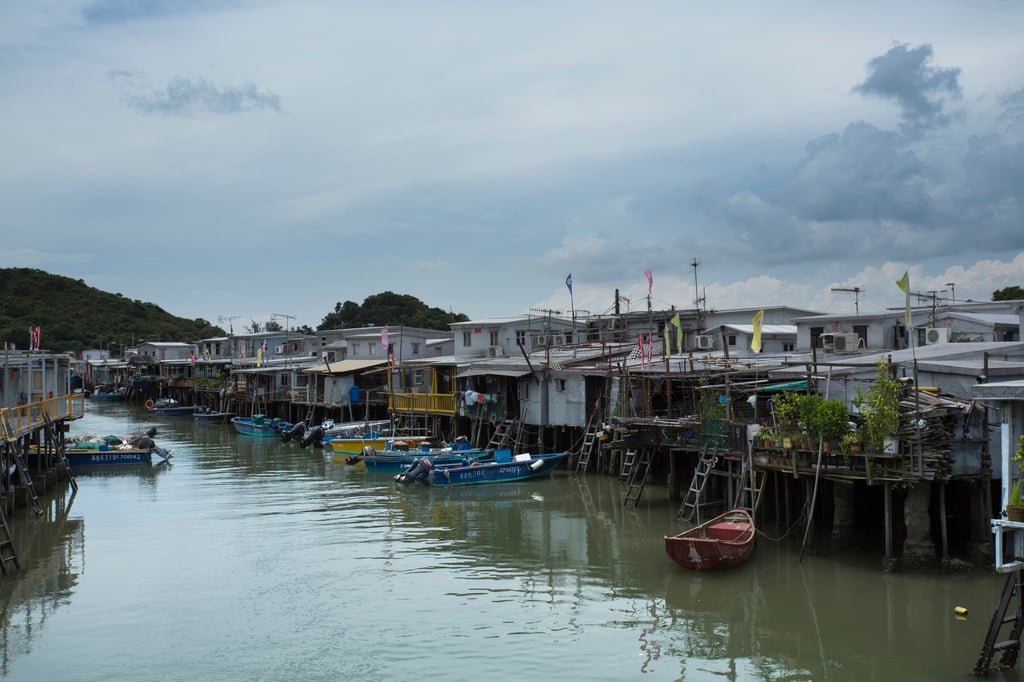
A new wave of environmentally conscious residents is involved in Tai O’s restoration efforts. According to Kwong, they form the majority of APO’s volunteer team, which is currently training 12 recruits, described as “the future stewards of the Tai O coastline”, to build and maintain the modular reefs.
Meanwhile, the Hong Kong Red Cross has supported residents with first aid training and established a dedicated “disaster preparedness team” to help mitigate the impact of extreme weather events. In addition, the organisation has distributed emergency kits, held regular flood awareness and response drills, and promoted home improvement measures to better prepare households for future climate-related events.
In addition to funding the project, Prudential employees visited Tai O to learn about the project, helping make modular wire reefs, engaging with residents to identify and understand the climate challenges they face, and distributing disaster preparedness kits.
“Building community resilience is at the heart of what we do at Prudence Foundation,” says Nicole Ngeow, its executive director. “The Tai O initiative reflects the power of partnerships – where local knowledge, nature-based solutions and strategic collaboration come together to protect lives and livelihoods. We’re proud to partner with Prudential Hong Kong, A Plastic Ocean Foundation, Hong Kong Red Cross and the Tai O community in this transformative effort towards a more sustainable future.”
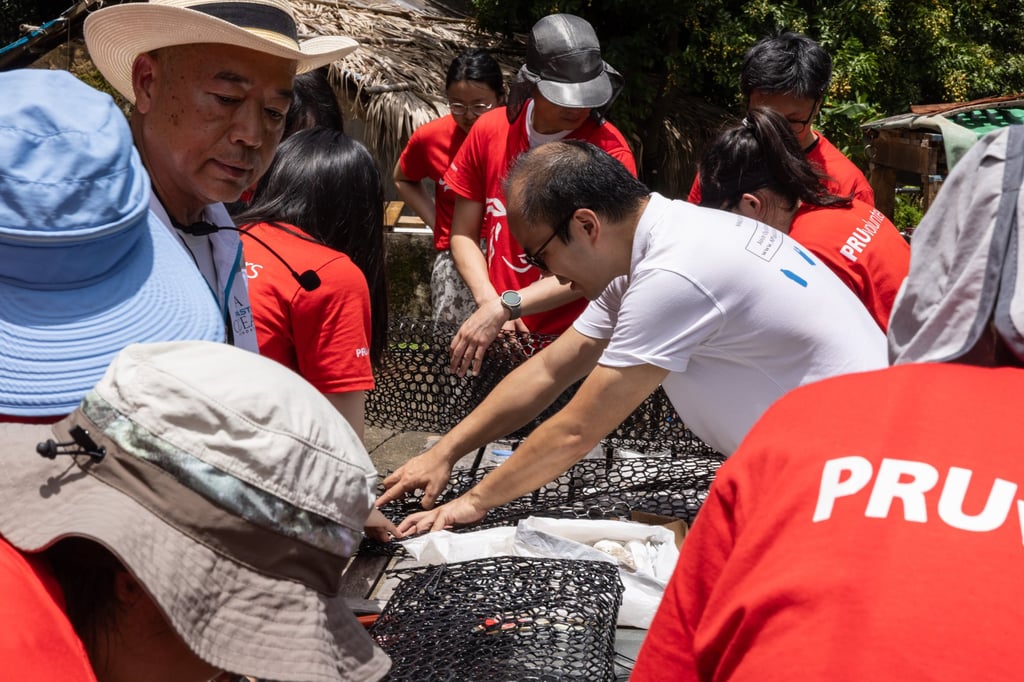
By combining traditional knowledge, scientific innovation and corporate support, the Tai O project has become a blueprint for how coastal communities around the world can address climate change. Through the integration of environmental restoration and community empowerment, the initiative is transforming a community at risk into a model of sustainable living.
“Solutions must be understandable and sustainable. By involving the community at every step, we’re fostering ownership and long-term change,” Kwong says.
“What I love about the Tai O project is how simple and natural the solution is – using bivalve shells to protect the shoreline,” Abhishek adds. “But what really stood out was the community’s involvement.”