From capital funding to clean, green credibility: UOB powers Thailand’s net-zero journey
By blending finance, advisory expertise and leading by example, the bank makes sustainability both a strategy and company practice

Thailand has set ambitious climate goals which include achieving carbon neutrality by 2050 and net-zero greenhouse gas emissions by 2065. These targets aim to transform one of Asia’s most fossil-fuel-dependent economies into a regional leader in clean growth.
To attain these goals, the Organisation for Economic Co-operation and Development estimates that Thailand will need US$22 billion for renewable energy investments between 2022 and 2037, as well as a further US$28 billion for energy efficiency improvements across multiple sectors over the same time frame. Financial institutions are central to this effort – not only by providing capital, but also by guiding companies through the shift to more sustainable ways of doing business.
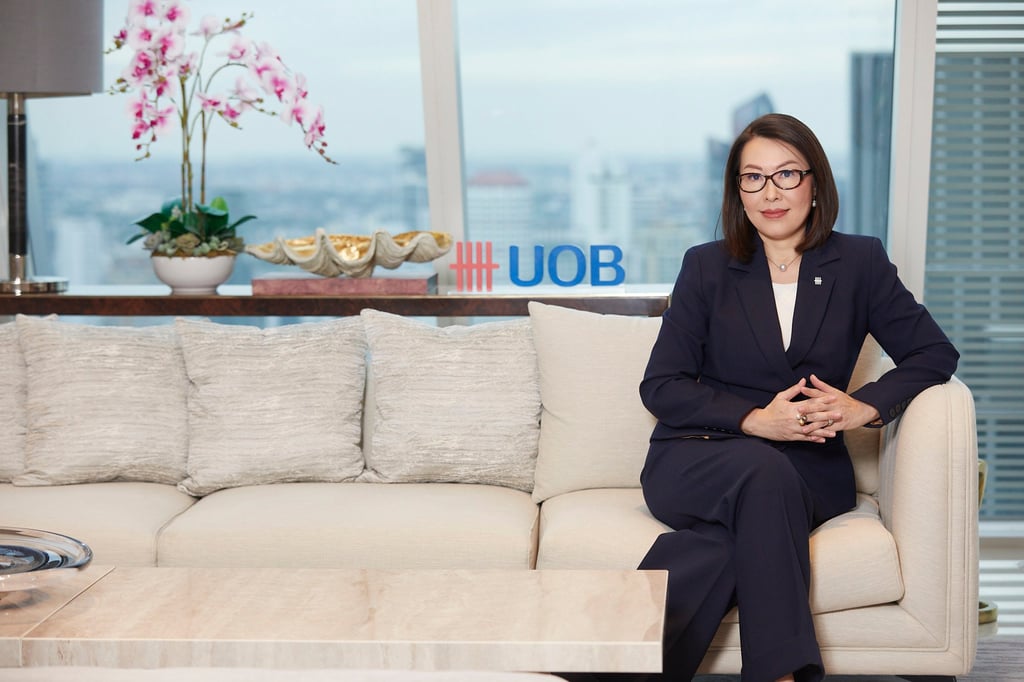
“Thailand’s transition to a low-carbon economy is no longer optional. Our clients’ regulators, investors and the corporate buyers are demanding it,” says Vira-anong Chiranakhorn Phutrakul, deputy CEO and country function head of wholesale banking at UOB Thailand. “We believe sustainability is not just about compliance – it’s about enhancing our client’s competitiveness. At UOB, we provide them with the tools, knowledge and partnerships to future-proof their business.”
To help its clients get started on their Environmental, Social and Governance (ESG) journey, UOB Thailand combines a suite of sustainable finance solutions with internal initiatives that model the change it hopes to achieve. On the financing side, the bank has built a broad toolkit offering green loans, ESG-linked products and transition financing to help companies decarbonise.
The bank also layers in guidance and advisory expertise, not just capital, so clients are supported during their transition. Phutrakul notes that this support is especially critical for small and medium-sized enterprises (SMEs), which are the backbone of the country’s economy, making up more than 99 per cent of all companies and employing nearly 70 per cent of the workforce, according to World Bank figures released in February this year.
“For many Thai SMEs, sustainability isn’t just a compliance exercise; it’s a licence to operate in the global value chains,” Phutrakul says. “But when faced with tight margins and capability gaps, SMEs need practical help, not just loans, to adopt sustainability in their operations. That’s where our Sustainability Compass comes in.”
This online assessment tool allows companies to evaluate their ESG readiness in minutes and receive a road map tailored to their industry. To date, UOB says the Sustainability Compass has been used by 8,000 companies across Asean, including more than 1,600 in Thailand.
UOB also runs programmes such as UOB FinLab’s Sustainability Innovation Programme and GreenTech Accelerator to mentor firms and connect them to green tech ecosystems, which demonstrates how UOB Thailand regards sustainability beyond simply promising to provide funding. It is a principle the bank also applies within its own operations before extending it to clients.
“We value leading by example, which is why we believe it is essential to live sustainability ourselves while advocating for green finance to our clients and stakeholders,” says Chow Wong Yuen, chief sustainability officer, UOB Thailand. “We embed sustainability into everything we do at the office, from waste management to employee events.”
UOB’s Waste to Wonder initiative, launched in 2021, encourages staff to rethink how they manage waste at work and at home, embedding sustainability in the company culture.
Alongside training for all employees and sustainability touchpoints in customer-facing areas, such as offering water in recycled plastic bottles, the bank also held waste segregation training for housekeeping staff.
The bank says that the campaign improved plastic waste segregation by 73 per cent last year, leading to a 15 per cent increase in recycled waste year-on-year and helping cut more than 100 tonnes (110 US tons) of waste sent to landfill.
The bank has also invested in its physical footprint. UOB Plaza Bangkok has been certified by the Building and Construction Authority (BCA) of Singapore as Green Mark Platinum and its Rayong branch is on track to achieve Leadership in Energy and Environmental Design (LEED) Platinum status – the highest rating in the LEED green building rating system – later this year; both these certifications recognise best practices in sustainable building design and operations, including waste management, energy efficiency and indoor environmental quality.
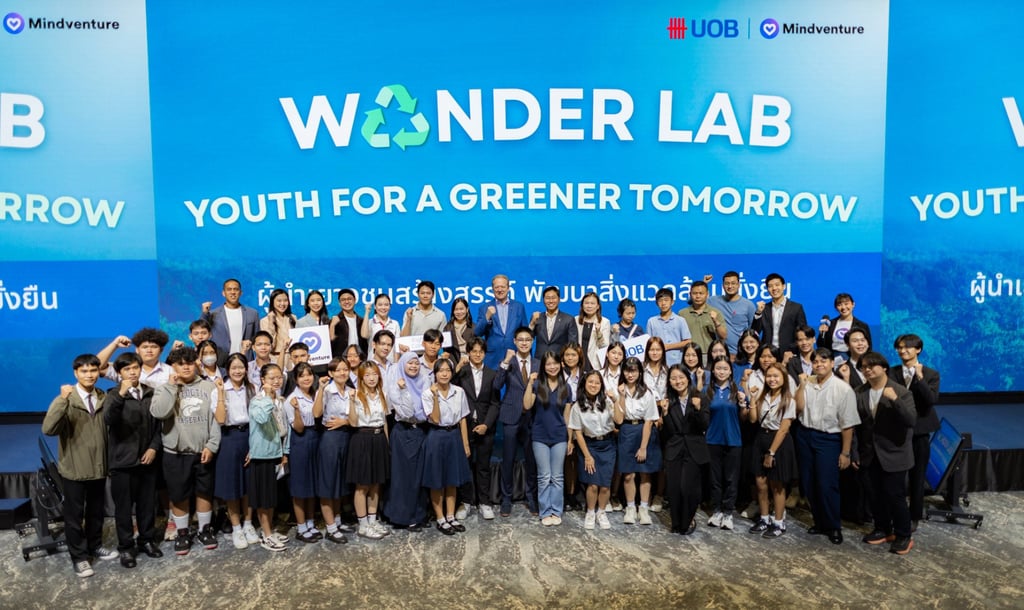
This dedication to sustainability extends beyond the bank in UOB’s Wonder Lab: Youth for a Greener Tomorrow, an external outreach programme that funds sustainability ideas developed by young innovators. Projects range from university initiatives to cut food waste to student-developed technologies for plastic segregation.
“Our goal is to build the future of Asean, and that future will only be strong if it’s sustainable and youth-led,” Chow says.
This focus on the next generation supports Thailand’s broader sustainability goals, which are tied to billions of dollars in investment. UOB has committed to net-zero financed emissions by 2050, aligning its targets with the country’s own climate ambitions and reinforcing the bank’s credibility as a partner in the green transition.
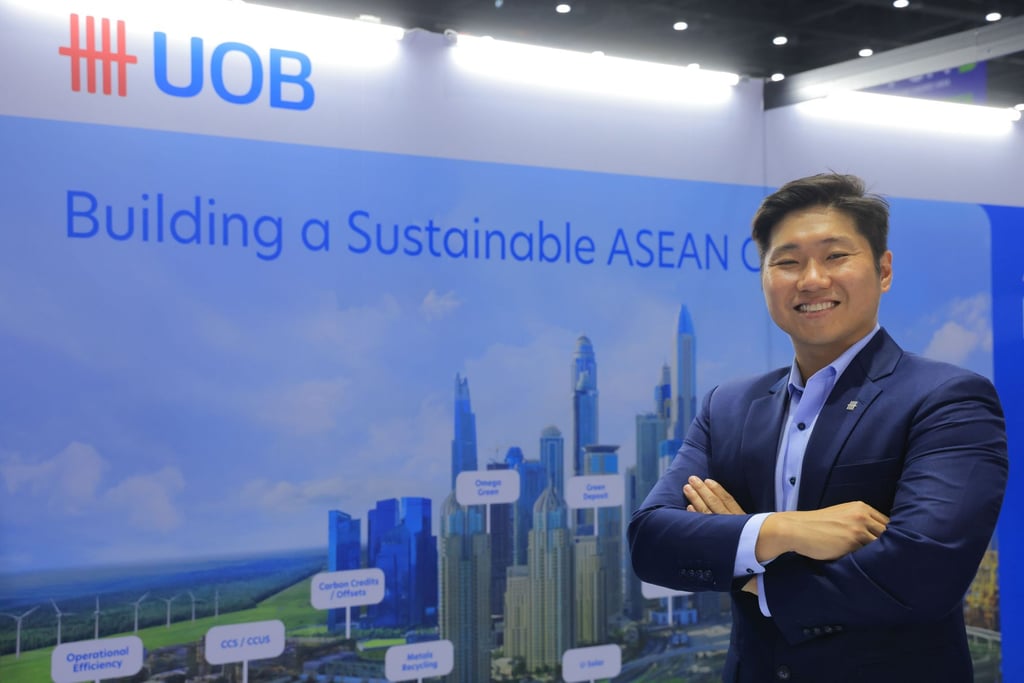
“To help sustain this momentum in Thailand, we are focused on six net-zero sectors: power, automotive, real estate, construction, steel, and oil and gas,” Phutrakul says. “By targeting high-emitting industries, we can drive change where it matters most while helping Thai businesses strengthen their competitiveness at home and abroad.”