Star search: what makes Hong Kong a prime attraction for global talent
To meet diverse development needs, the city has positioned itself as an international hub for high-calibre talent

Driven by innovation and technology, an advantageous location, financial expertise and opportunity, Hong Kong’s economy is progressing steadily. Already a major international finance hub, the city continues to seek new avenues for growth.
To keep pace with the city’s forward momentum, drive future growth and stay competitive, Hong Kong will need a diverse workforce to meet the rapidly evolving needs of the workplace in several important sectors.
Recruiting global talent is essential to Hong Kong’s socio-economic development. Without appropriate action, the city will face a shortage of more than 180,000 workers in major sectors by 2028, according to a recent government report on manpower.
As such, the Hong Kong government has prioritised a global talent strategy to support the development of “eight centres” that reflect the city’s strategic positioning and strengths in the following fields: trade; finance; innovation and technology; cultural exchange; intellectual property trading; aviation; shipping; and legal and dispute resolution services.
The initiative, which includes a comprehensive “Talent List”, first drawn up in 2018 and updated to cover 60 professions in nine industry sectors, aims to build the skilled workforce needed for a high-growth, diversified economy.

In a rapidly changing market, the ability to adapt and innovate is paramount. To foster Hong Kong’s future-ready workforce, the city is proactively adjusting its talent recruitment strategies to meet the demands of fast-emerging industries on the Talent List, including fintech, Islamic finance, AI (artificial intelligence), dispute resolution and aircraft maintenance.
Hong Kong Talent Engage (HKTE), a dedicated government office under the Labour and Welfare Bureau, is committed to achieving these goals by formulating strategies to recruit high-calibre global talent and provide them with support to live and work in the city.
Many forward-looking companies have benefited from the government’s talent engagement initiatives. With a surge in business propelled by robust growth in Asia, in particular the Guangdong-Hong Kong-Macau Greater Bay Area, HKTE has partnered with global companies to attract talent in support of their regional expansion.
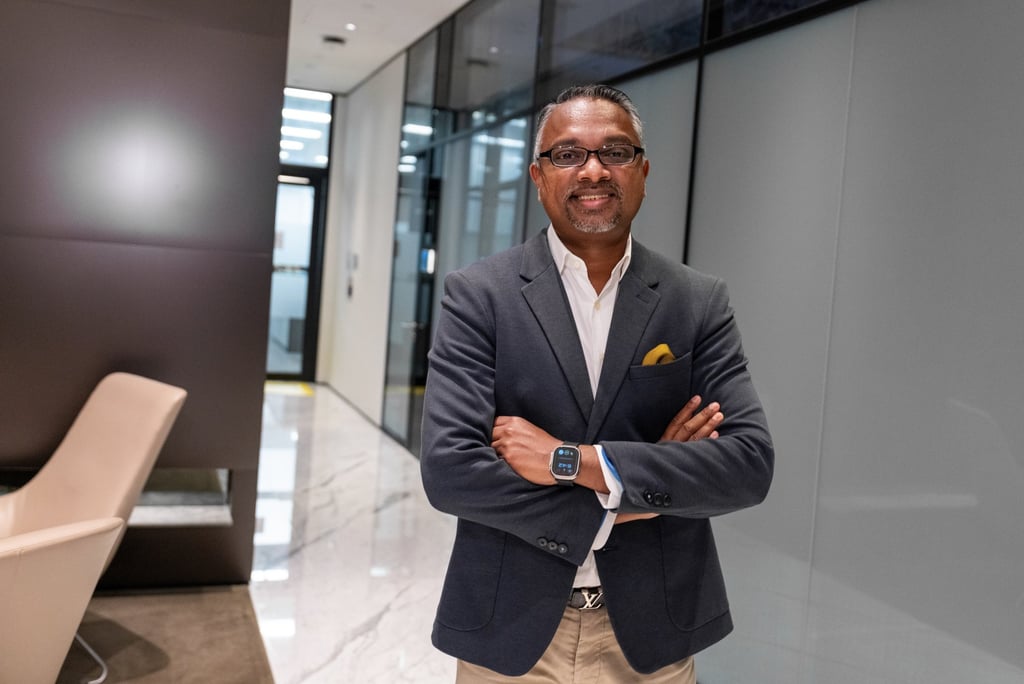
Sudesh Thevasenabathy, head of inclusion, Asia at Manulife in Hong Kong, originally moved to the city from Malaysia in 2007 in search of new challenges and better career opportunities. He has since become a strong advocate for the city’s many advantages, including low tax rates, ease of doing business, an excellent transport system, quality international schools, cultural diversity and a vibrant entertainment scene.
“Hong Kong offered me what I wanted,” he says. “It helped me build my career and gave me opportunities based on my skill sets. Because of that, I have been able to thrive here and so has my family; I am very grateful for that.”
Trained as an engineer in electronics and computing, Sudesh has worked in manufacturing, banking, insurance and healthcare. In 2020, he landed his current position, where, as an advocate for diversity, equity and inclusion (DEI), he has enabled real and lasting change for people who might otherwise live on the margins of society.
“I can develop strategies for the organisation and influence legislators, community leaders and other peer groups to do the right thing for people in Hong Kong and beyond,” he says. “Once you have the lived experience of a multitude of challenges, it sets you up for success. You know what the problems are, what needs to change and how to respect the law of the land and advise people in different ways.”
As workforce shifts have created a growing pool of professionals, Hong Kong has been enhancing its efforts to attract and retain top talent. “We have seen that a diverse and multicultural workforce is very successful for business because we deal with so many markets within the region,” Sudesh says, adding that the city needs to source a wide range of professionals, including actuaries, generative AI engineers, data scientists, and finance and legal compliance managers.
A more recent arrival, Kamal Marchoudi, founder and chief investment officer of alternative investment firm Atlas Square Partners, relocated his business and family from London to Hong Kong in 2023 through the government’s Top Talent Pass Scheme.

The initial attraction was Hong Kong’s reputation as a go-ahead financial centre where the process for setting up a business is straightforward and transparent. The support services provided by HKTE were also a big plus and, in practice, made the move almost seamless.
“The ability to get things done quickly and efficiently was a breath of fresh air,” Marchoudi says, who has enrolled his children in a bilingual school. “There is a clear regulatory framework, and things are cost-competitive. It is a place where, if you have a clear plan and the ability to execute it, there is nothing holding you back.”
Atlas Square Partners can be characterised as a success story. In the next two years, Marchoudi plans to increase his company’s headcount, add assets and pursue new opportunities in mainland China and around the region.
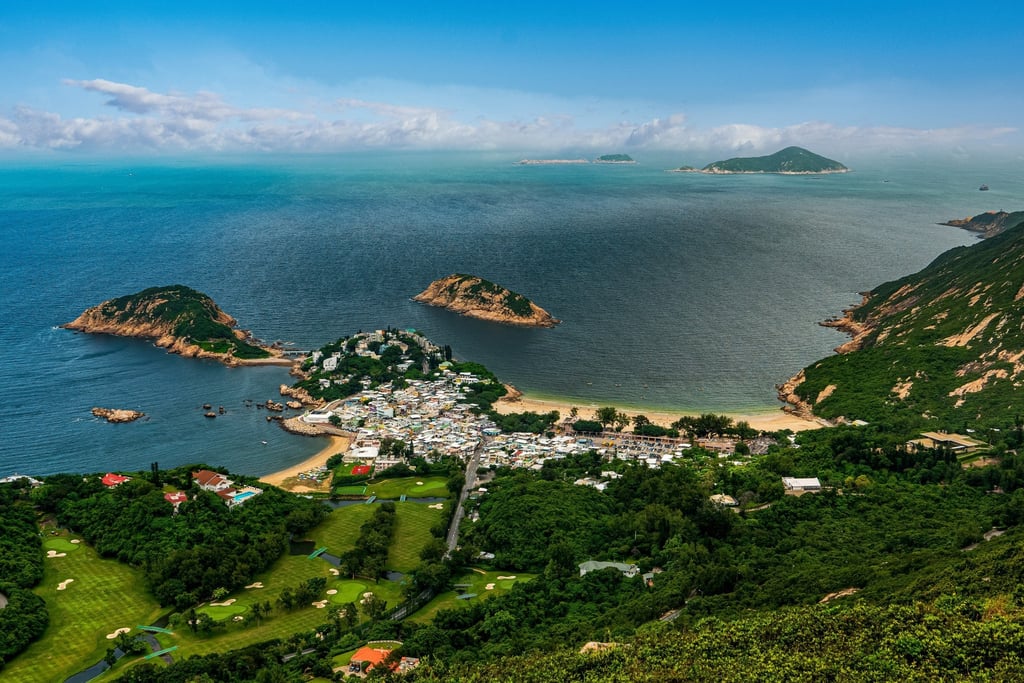
Indeed, Hong Kong’s appeal as a destination for setting up regional business headquarters is multifaceted. “The city is an excellent place to do business while enjoying a high quality of life,” Marchoudi says, adding that Hong Kong’s proximity to natural beauty and outdoor activities is an unexpected benefit for families. “The city will increasingly compete with Singapore, the UAE and Switzerland as a base for dynamic financial services businesses and for top talent looking for frictionless ways to create value for their stakeholders and develop their careers. Hong Kong has all the elements necessary for success.”