Moves to attract more overseas investors to Tracker Fund of Hong Kong
The exchange-traded fund, which tracks Hang Seng Index’s performance, has risen by 46 per cent in assets under management over past two years
03:43
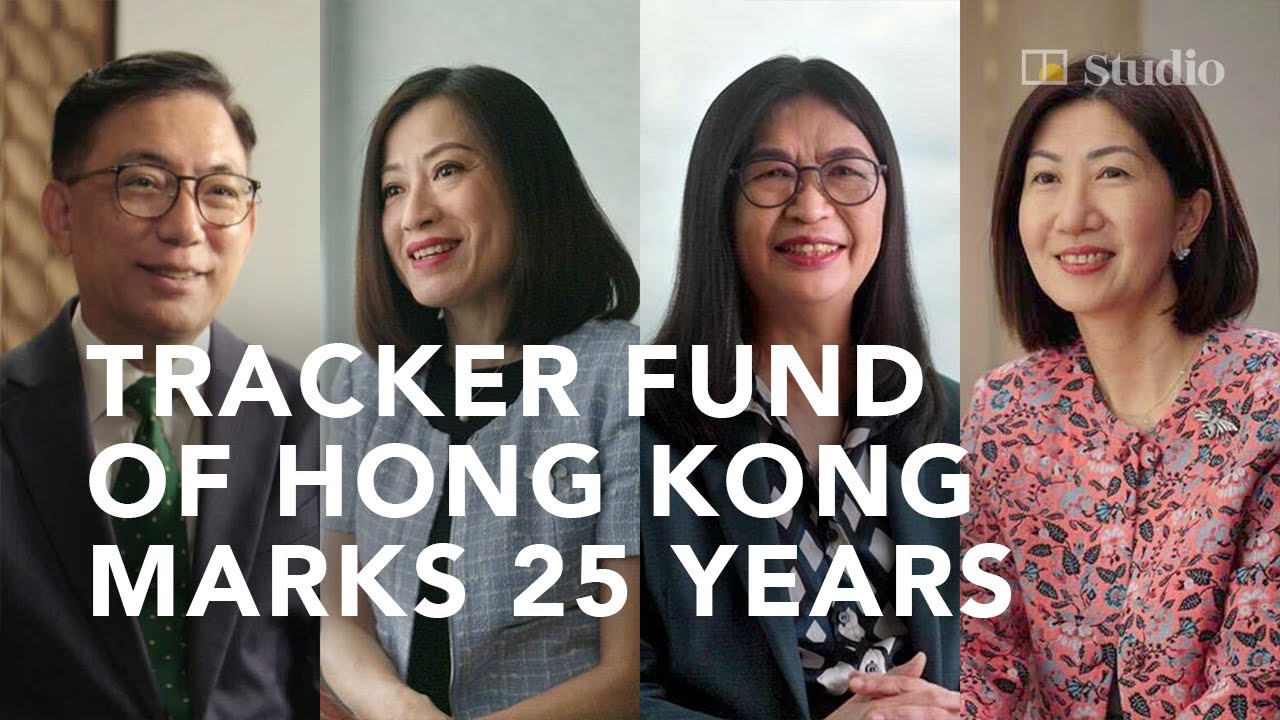
Four market thought leaders discuss success of Tracker Fund of Hong Kong
Since its launch 25 years ago, the Tracker Fund of Hong Kong (TraHK) – the first exchange-traded fund (ETF) listed locally – has continued to break new ground.
Its introduction helped restore market stability and confidence in the wake of the Asian financial crisis and, by proving a hit with investors, successfully paved the way for other ETFs and enhanced the city’s status as an international financial centre.
Having demonstrated long-term resilience, the aim now is to make the fund both stronger and better. To this end, a number of initiatives are under way to attract more overseas investors, ease online trading and explore untapped opportunities in Hong Kong, the Greater China region and beyond.
Simply put, TraHK is a “basket” of constituent shares from the Hang Seng Index, which mirrors the movements of the overall Hong Kong stock market. It can be easily bought and sold by corporate, institutional and retail investors, and gives them exposure to different industries while achieving diversification through over 80 constituents.
“The fund has gone from strength to strength,” says Rosita Lee, director and CEO of Hang Seng Investment, which has overseen the day-to-day operation of TraHK since September 2022. “It is a very reliable and efficient investment tool and has come to have a very special meaning for local people, in some way representing the spirit of Hong Kong.”
In part, this is down to the fund’s origins. It came about as a direct result of the Asian market turmoil of 1998 when the Hong Kong government decided to step in and buy constituent stocks of the Hang Seng Index.

That move restored calm, but George Hongchoy, chairman of the supervisory committee of TraHK, says it was never the intention to hold on to those stocks in the long term. Rather, the goal was to offload them when the time was right in a way that did not unduly affect the market.
“The whole exercise was unprecedented,” he says, recalling the period of planning and decision-making that led up to the public sale of shares in the newly formed Tracker Fund. “Some of the brokers and banks ran out of application forms, and the printers had to print more. There were queues of people trying to get hold of them. It was really a situation where the whole of Hong Kong participated.”
Julia Leung, CEO of the Securities and Futures Commission – the city’s market regulator – remembers that, at the time, many people were basically savers and unfamiliar with the workings of equity markets.
The new fund did much to change that, providing an innovative, low-cost way for domestic and foreign investors to access the Hong Kong market, giving them another string to their bow.
“It actually kick-started the whole industry of exchange-traded funds,” Leung says.
Bonnie Y Chan, CEO of Hong Kong Exchanges and Clearing, operator of the city’s stock exchange, says that today TraHK is the most-traded security on its cash market. The fund’s appeal lies in the combination of access, diversity and transparency, as well as a determination to keep moving with the times.
“That is great in terms of boosting market vibrancy and liquidity,” she says.
Looking to the future, a key priority for Lee is to make progressive changes to the “ecosystem” of the TraHK to draw in more investors from around the world.
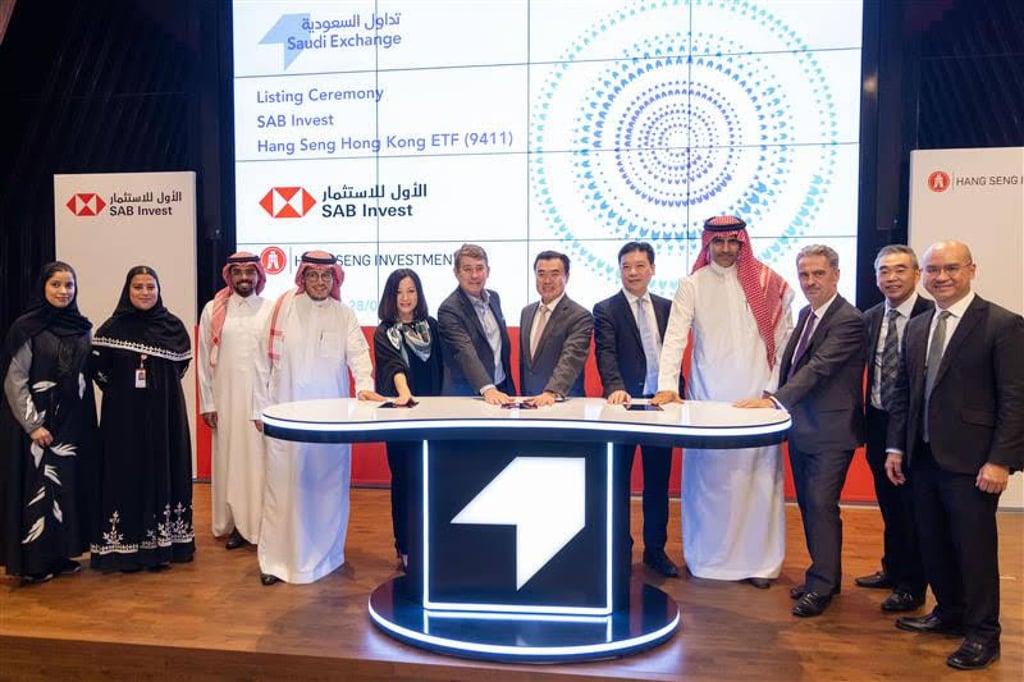
Already, this has seen the establishment of a renminbi counter to facilitate the use of holdings in the currency of China; initiatives to take full advantage of the ETF Connect scheme, which enable mainland Chinese to invest in the fund directly; introducing TraHK to the Thailand market; and collaborating to list an ETF feeding into TraHK on the Saudi Exchange.
“Investment that we acquire overseas actually benefits Hong Kong as a whole,” Lee says, noting that in the past two years the fund’s assets under management have grown by 46 per cent and the number of units issued has increased by 30 per cent*.
“It means that investors have confidence in our market,” she says. “But the fund is more than just an investment vehicle. It is the story of Hong Kong.”
*The growth percentages of TraHK’s assets under management and outstanding number of units were from September 19, 2022 to September 30 last year.