Are Asian diets looking fattier and meatier than ever before?

Once-dominant plant-based diets in Japan, China and South Korea are losing ground to processed, meat-based and high-in-fat Western food
If you consider what Chinese, South Korean and Japanese diners gravitate towards food wise, you might picture suckling pig, roasted goose, Korean barbecue, Wagyu beef or tonkatsu.
There’s no denying that meat plays a huge role in these cuisines, but if you look back to what people traditionally ate, you might be surprised. Largely plant-based diets dominated these parts of Asia for centuries, and only recently have Western food items – mostly processed, meat-based and high in fat – permeated the culture.
Food has long been considered medicine in this part of the world, where conscious eating involving seasonal fruits and veggies; balancing the body with the elements; and eating according to your body temperature have always been vital. When I moved to Hong Kong, I never understood why my colleagues always refused cold foods, sugary snacks and spicy meals during certain times of the year or while experiencing various ailments.
Food has long been considered medicine in this part of the world, where conscious eating involving seasonal fruits and veggies; balancing the body with the elements; and eating according to your body temperature have always been vital
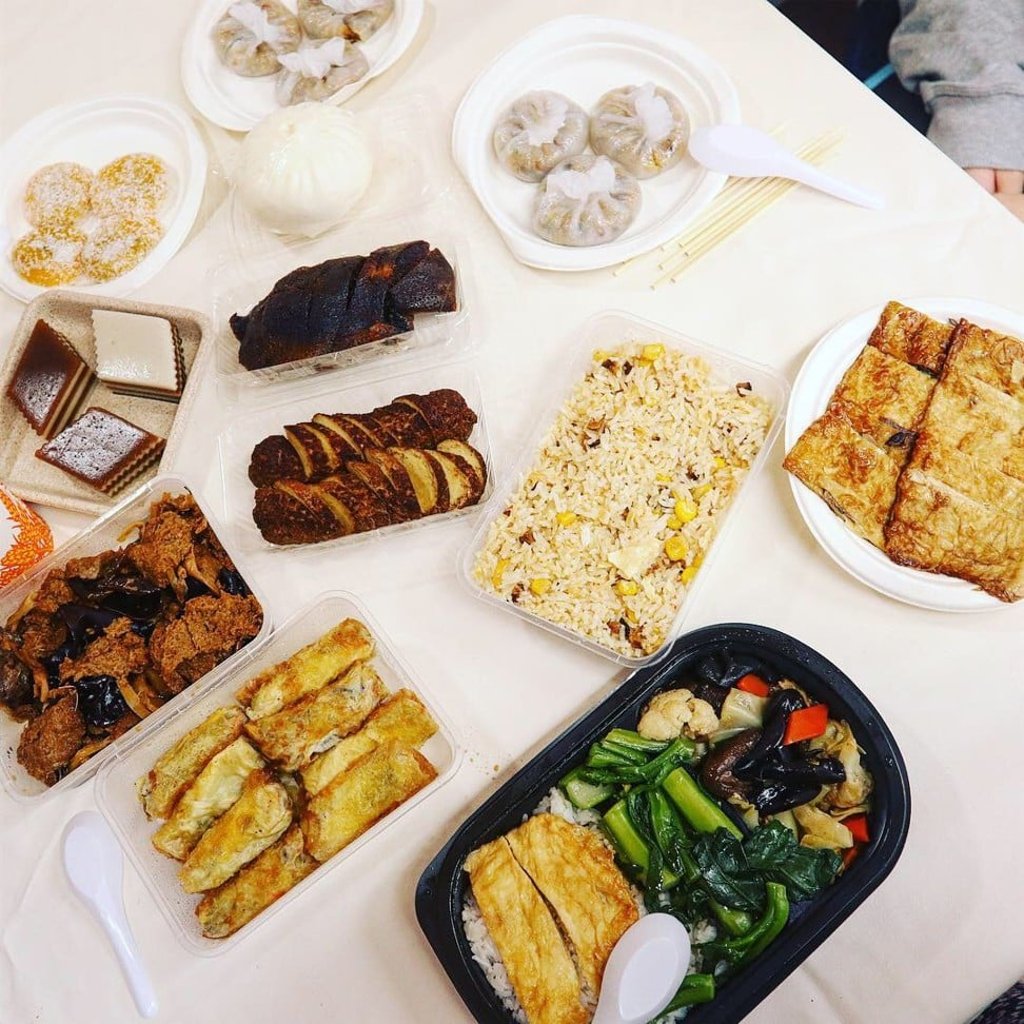
The traditional diets in China, South Korea and Japan have long comprised mainly rice, vegetables and soy. When meat was consumed, it was for flavouring – and in significantly smaller portions than the average person eats today. The amount of meat a single person consumes in one meal today would have fed an entire family a few decades ago.
The traditional diets in China, South Korea and Japan have long comprised mainly rice, vegetables and soy. When meat was consumed, it was for flavouring
Colin Campbell conducted his groundbreaking research in China in the 1970s and 80s, observing traditional diets from rural areas and how they affected overall health. At the time, cancer and other chronic diseases were rare in this part of the world. Campbell made the connection between eating a mostly plant-based diet and low rates of disease in “The China Study”.
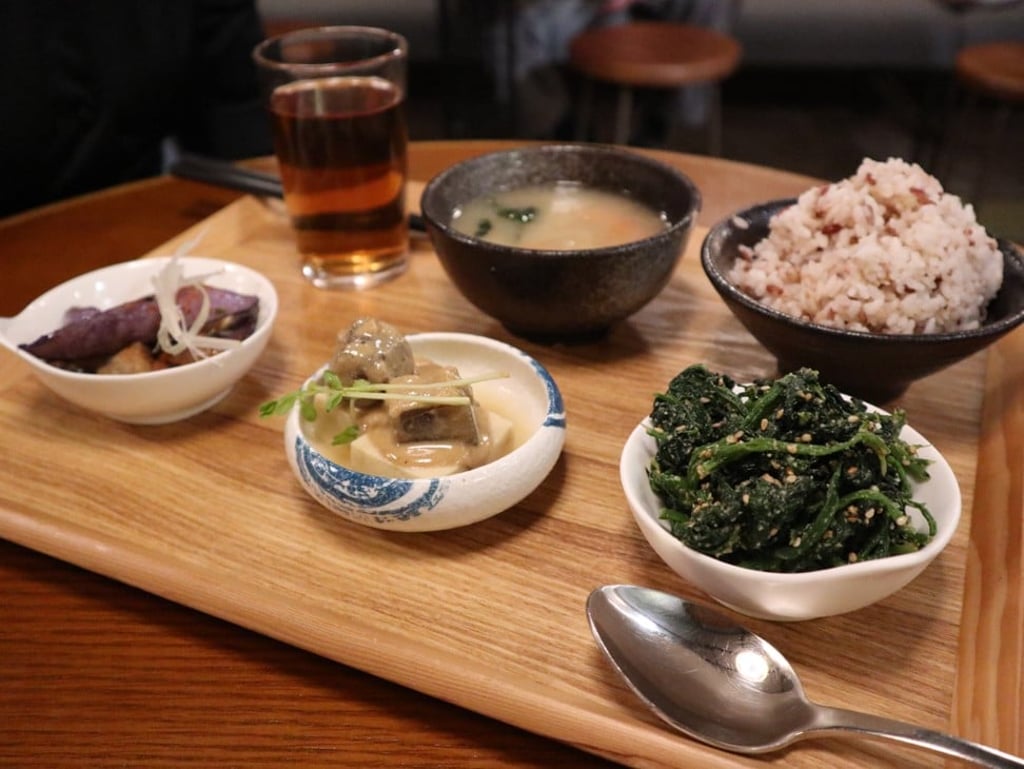
There are several reasons people ate less meat in the past, the main one being cost. Meat was generally not affordable for most families, in addition to the cooking oil needed to prepare the meat. Buddhism also plays a role, with meat generally banned in Japan until the late 19th century. Fish was more widely consumed than red meat, which is still the case today for most of Japan.
Vegetables were not merely a side dish, they were the main feature of the meal. Vegetables were fresh, seasonal, flavourful and local – all bursting with nutrition. Fermented foods such as natto, miso, kimchi and pickled veggies played a huge role in digestion, as well as large amounts of tea and soups incorporated in the diet for hydration.