Are Burberry, John Galliano, DKNY and Versace wrong to ditch fur?

Fur companies argue that using polyester, nylon and acrylic to create fur lookalikes is not ecologically sustainable
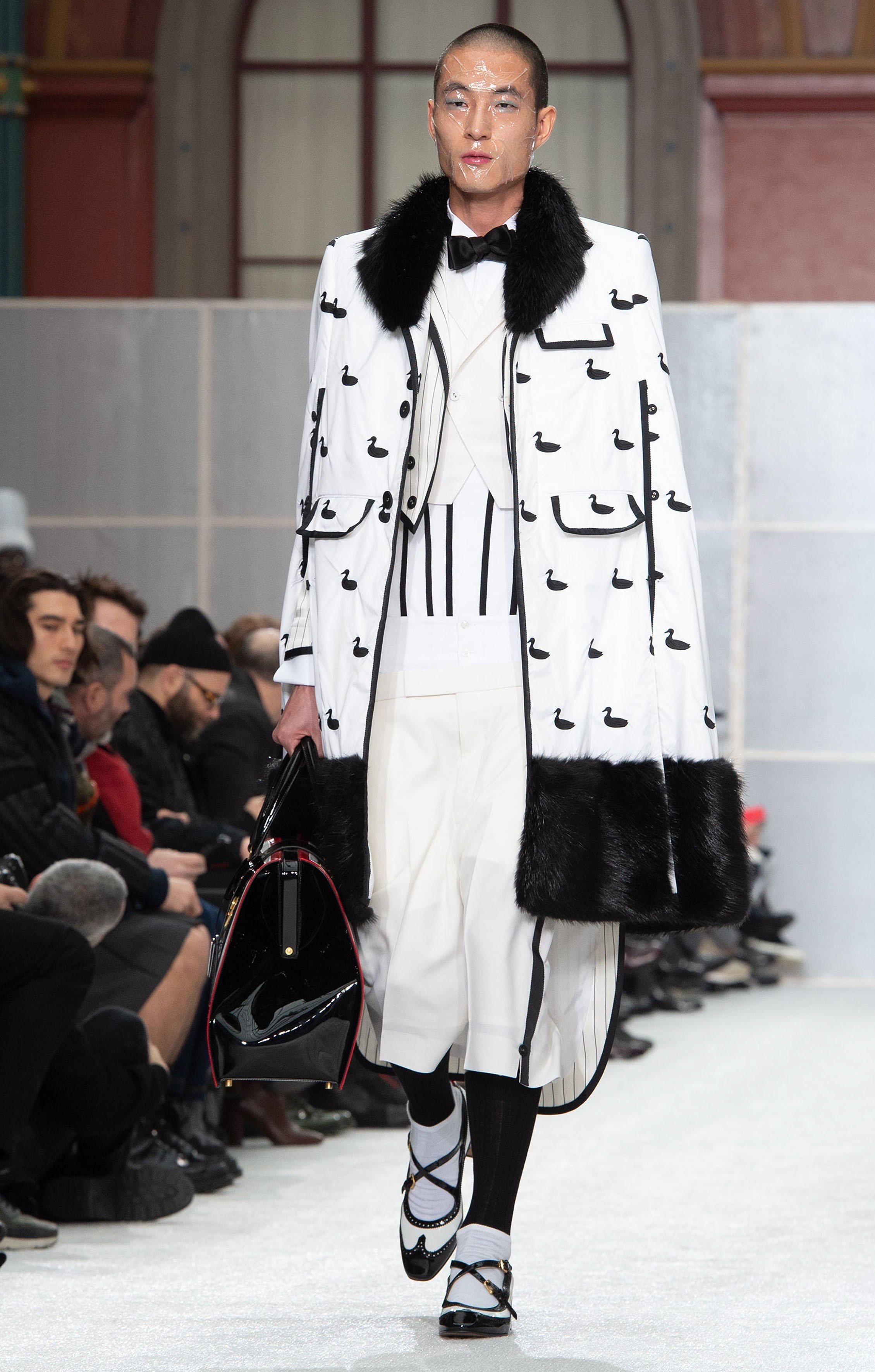
Fur, a one-time fashion staple, has become so controversial that many luxury brands have disavowed pelts altogether. Burberry, John Galliano, DKNY and Versace are among the latest brands to jump on the faux fur bandwagon.

Purportedly, it’s a result of the change in ideologies and how millennials and Generation Z are far more aware of how their apparel and accessories are made and where they come from.
“Consumers are no longer just buying a product. They are buying an entire history and everything that it represents,” says Charles Ross, the business manager of sustainability and supply chain management at Saga Furs, a leading auction house that sells certified fur pelts to the global fur and fashion trade. “They’re interested in production processes, from material and ingredient sourcing to production and distribution, along with information on all parties involved.”
Brands and organisations, like Saga Furs, have built their businesses on peddling pelts, and say that this ideological shift has not vilified fur altogether. It would appear that consumers still have a vested interest in the material. Ross says fur trims and accessories have seen a 30 per cent increase in online sales within the past 18 months in North America, which shows that the material is still a viable commodity.
“This [negative] attention has helped our business grow,” adds Lysa Lash, a fourth-generation furrier based in Canada, who hosts trunk shows throughout the globe.
“Ladies come to our trunk shows for the experience and stunning product they can’t get anywhere else. They are already committed and believe in real fur and its place in the world of fashion and the environment.”