Gillette’s #MeToo ad, Jane Walker whisky and Boy de Chanel make-up – how do brands deal with gender stereotypes?

From products to advertisements, brands walk a delicate line between taking a stand and pleasing today’s socially-aware customer base
Unless you’ve been living under a rock, you’ve heard about the controversy surrounding Gillette’s recent #MeToo ad. In the highly divisive campaign, the shaving company takes issue with male-led violence and sexism, and has angered some audiences – some say the ad emasculates men, while others accuse the company of seeking to make a profit off social issues.
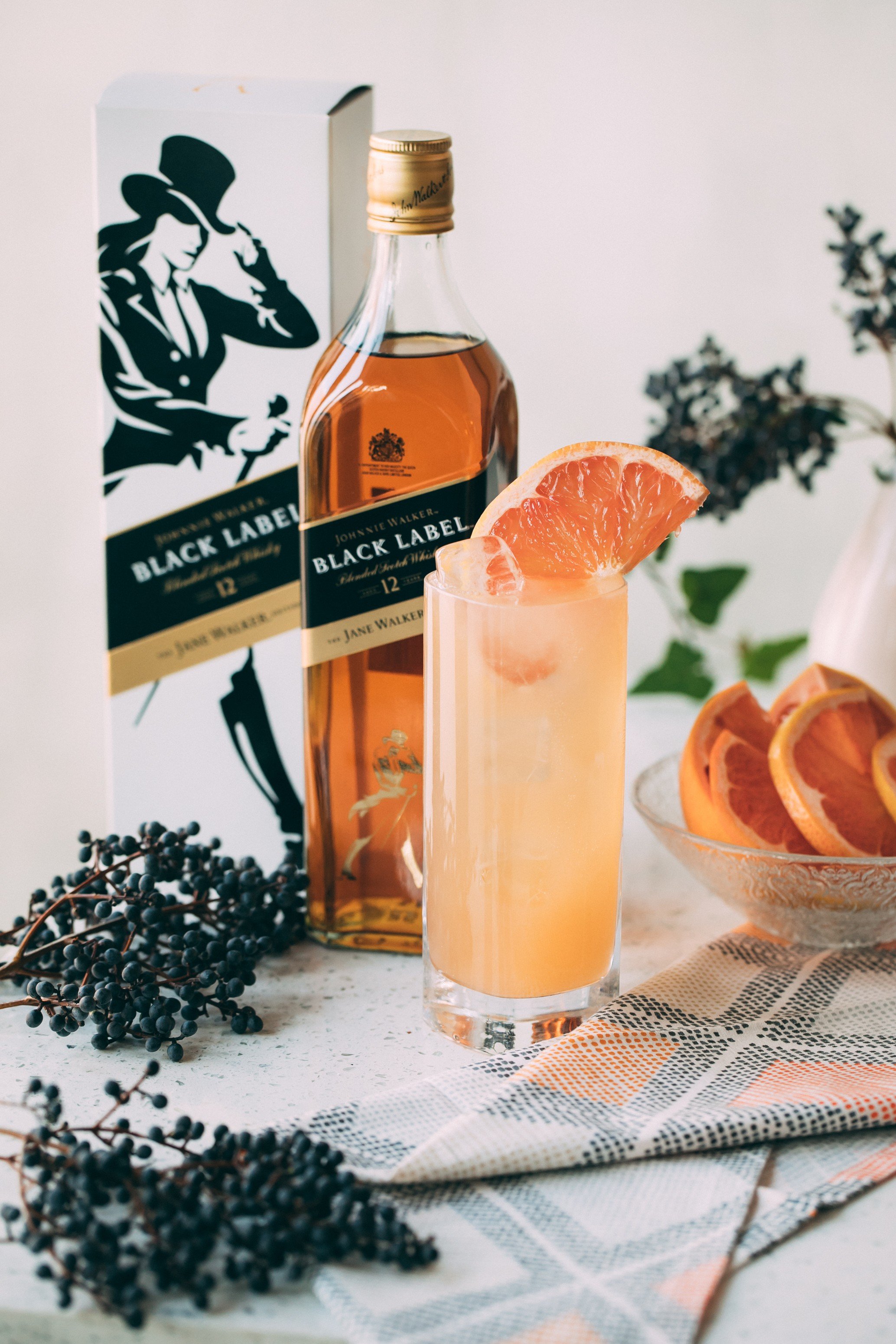
The trend of lifestyle and luxury brands “genderising” products or borrowing from the momentum of significant gender issues is a growing one. Pay close attention to the box around a bottle of Johnnie Walker whisky of late and you might notice something different about its graphics. The striding figure that typically identifies the brand has been changed: from a man to a woman.
The so-called “Jane Walker” limited edition – each sale of which sees US$1 donated to charity – is, the company says, a “tribute to the women who play a huge role in building our brand – master distillers, blenders, marketers and more”.
But Marek Reichman,creative director of Aston Martin, defends the UK luxury carmaker’s decision to make its next launch, the DBX, more female-friendly than its previous models.
“This was no case of ‘pinking and shrinking’,” he insists, but takes into consideration differing lifestyles with regards to storage space, steering-wheel sizes, Isofix child safety-seat attachment points and other examples suggested by the company’s female advisory board.
“The fact is that women don’t just want to drive around in a small car with a cream interior – they want a car that’s right for their behaviour and their ergonomics,” adds Reichman. “And they want to be spoken to in the right way – most car media is very much aimed at men. I don’t think you can design for men or for women in terms of styling. But clearly there is huge opportunity to move [some products] towards more [gender] parity.”
Daihatsu announced earlier this year that research shows that women do not like “cute” cars, as was previously assumed. Its new Mira Tocot– still a small car targeted at women – now focuses on enhanced security features. Indeed, selling cars with women in mind has resulted in some historic failures – the Dodge La Femme launched in the 1950s came with a lipstick and handbag. That is not to deny that certain products have been bought almost exclusively by one sex or the other: make-up, for example. Yet, earlier this year, Chanel launched its first make-up line for men, Boy de Chanel, a collection that includes tinted fluid, lip balm and eyebrow pencils in stoic black packaging.