Advertisement
Advertisement
Advertisement
Why tantalum is the ‘final boss’ of watchmaking materials
STORYJacqueline Kot

Notoriously difficult to work with, the blue-grey metal is nevertheless appealing to independent horologists like H. Moser & Cie, Atelier Wen, Fleming and Ming
When Swedish chemist Anders Gustaf Ekeberg discovered tantalum in 1802, little did he know that the metal would be widely used today in mobile phones, surgical equipment, aerospace components and watches. Classified as a transition metal in the periodic table, tantalum is a very dense and hard material with a high melting point. It also features a blue-grey sheen that is particularly appealing to luxury watchmakers and collectors.
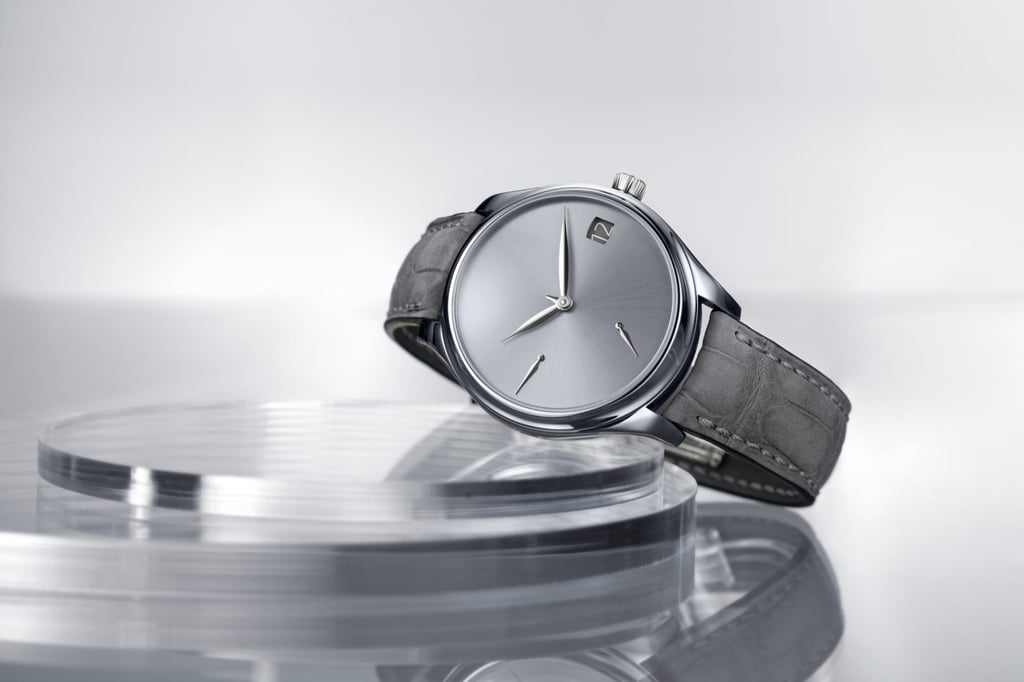
“Tantalum is naturally a beautiful blue-grey. It is not a surface treatment, it is the natural colour of the metal,” says Robin Tallandier, one of the co-founders of boutique watchmaker Atelier Wen. “And the tone is alive: it shifts subtly with ambient lighting, so the watch feels dynamic and never quite the same twice. There is nothing comparable in nature, which makes it genuinely unique.”
Advertisement
Select Voice
Select Speed
1x
AI-generated voice