Advertisement
Advertisement
Advertisement
Style Edit: Why the Richard Mille RM 035-03 Automatic Rafael Nadal is a technical marvel
STORYSCMP Style Reporter

Past Richard Mille models have seen partnerships with sports stars like Formula One’s Alain Prost and Fernando Alonso, and sprinting superstar Shelly-Ann Fraser-Pryce
For timepieces boasting the supreme technical sophistication of those made by Richard Mille, the high-performance world of professional sport is an ideal source of inspiration. The boundary-pushing Swiss luxury watch brand has sought out partnerships with some of the most iconic stars of the sporting world, from Formula One legends Alain Prost and Fernando Alonso, to track superstars like Shelly-Ann Fraser-Pryce. None, though, has been more creatively fruitful and mutually fulfilling than Richard Mille’s long-term collaboration with tennis great Rafael Nadal.
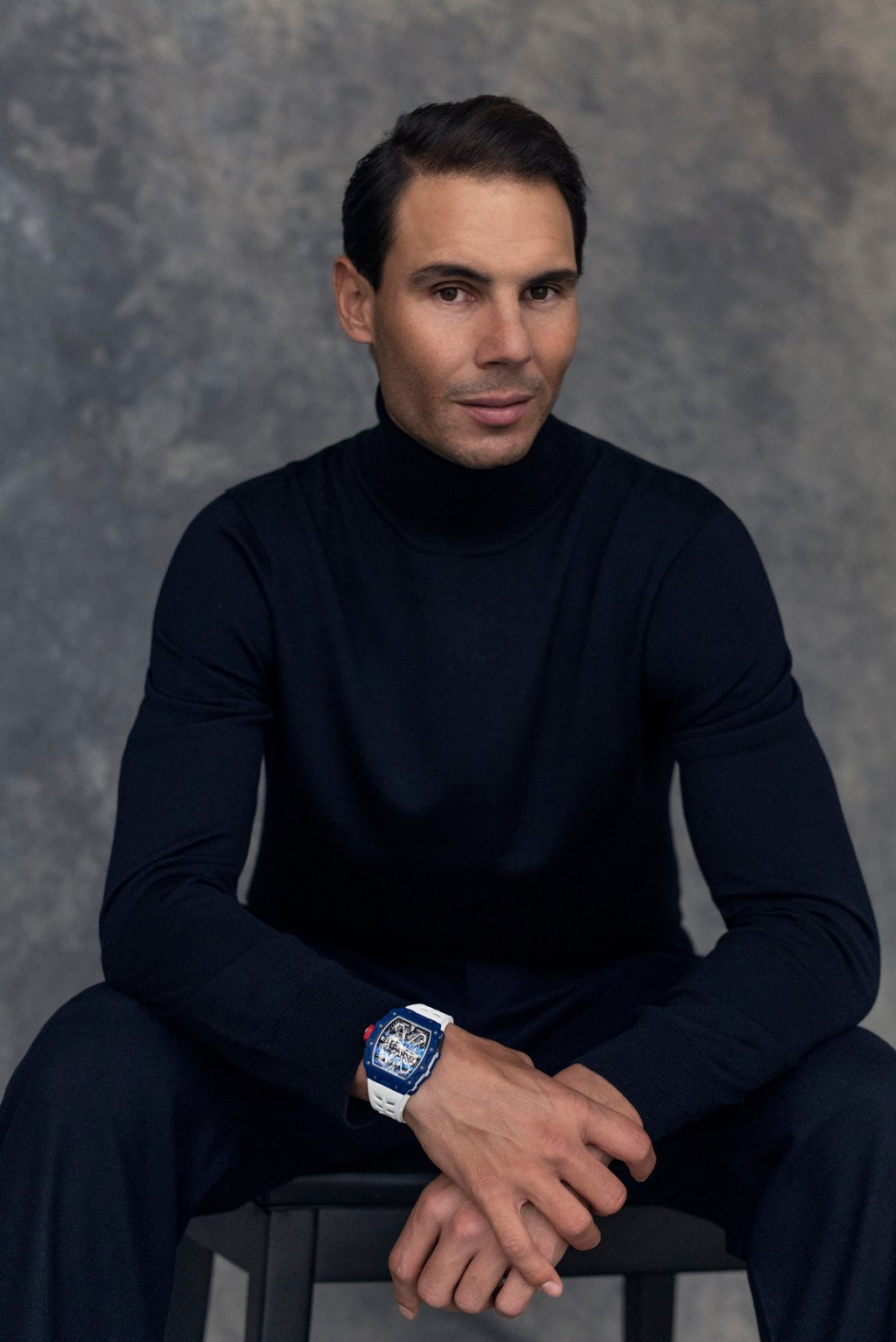
Together, they’ve come up with a pair of collections that have consistently pushed boundaries and broken new ground. There’s RM 027, the series of ultralight, ultra-durable tourbillons that the Spanish ace proudly sported on his wrist while playing since the first one was released in 2010. And there’s the RM 035 series – the collection known as “baby Nadals” – which takes the same tricks and technologies, and pushes them in all sorts of interesting directions.
Select Voice
Select Speed
1x
AI-generated voice