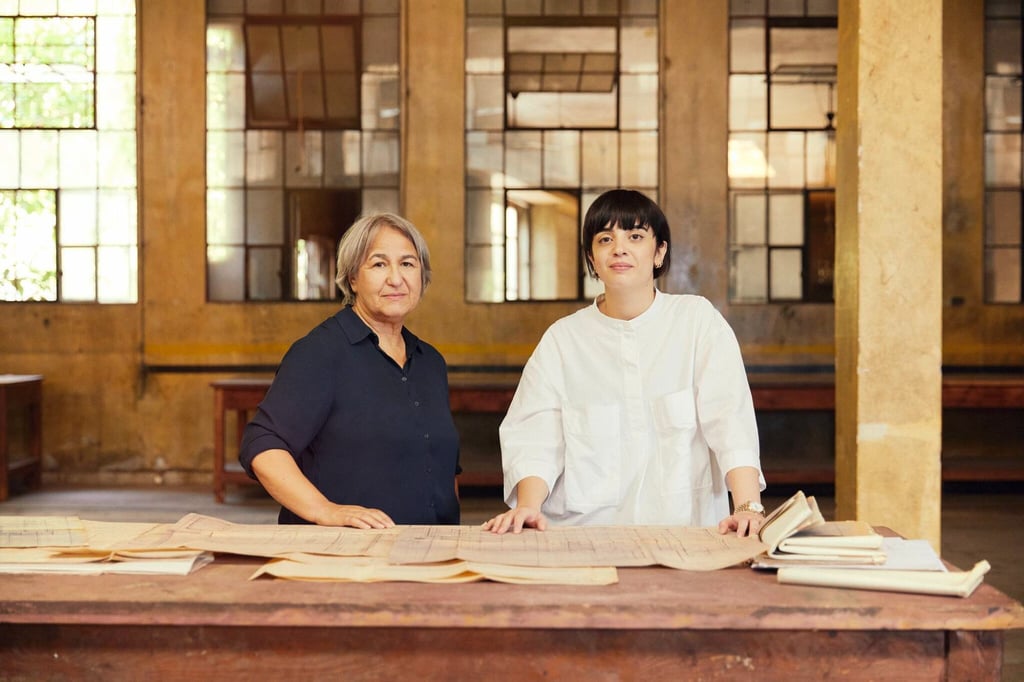
Style Edit: Rolex at the Venice Biennale – the brand champions sustainable architecture, showcasing innovative designs, local craftsmanship and cultural heritage through its Perpetual Arts Initiative

Distinctive pavilion design, plus documentaries showcasing sustainable achievements around the world, emphasise the watch house’s dedication to cultivating global cultural partnerships
The first of those has come dramatically to the forefront recently, as Rolex embedded itself deeply into the work of the 19th Venice Biennale of Architecture — the world’s leading exhibition of the work of its most visionary and cutting edge architectural geniuses, featuring some 60 national pavilions, and the place where the luminaries of the architectural world meet and debate the future of the built environment. The event opened on May 10 and runs to November 23 this year.
This edition of the biennale, curated by Italian architect, engineer and urban planner Carlo Ratti, focuses on sustainable architectural ideas that prepare humanity to adapt to the reality of climate change, under the theme “Intelligens. Natural. Artificial. Collective”.
Rolex has been the Exclusive Partner and Official Timepiece of the biennale since 2014, reflecting its appreciation of this most vital craft, one that dynamically shapes our interactions with the world and the ways in which people live their lives. There are also pertinent parallels with the world of fine watchmaking, which likewise requires a combination of creative vision and phenomenal technical skill, and which also has profound aesthetic implications.
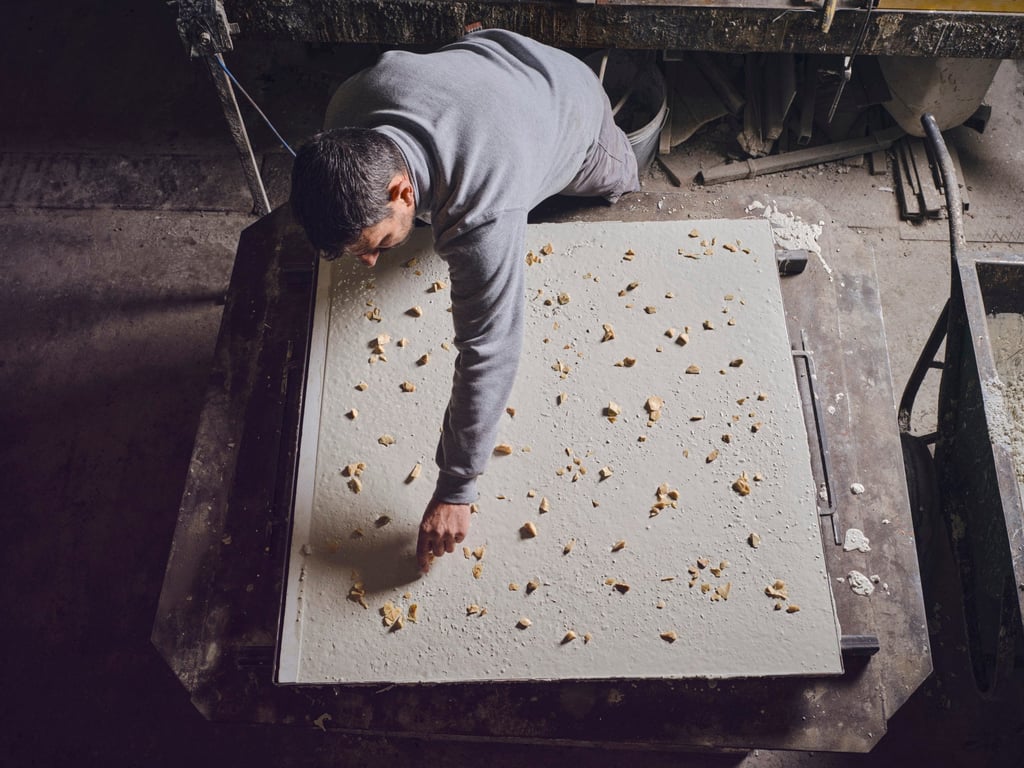
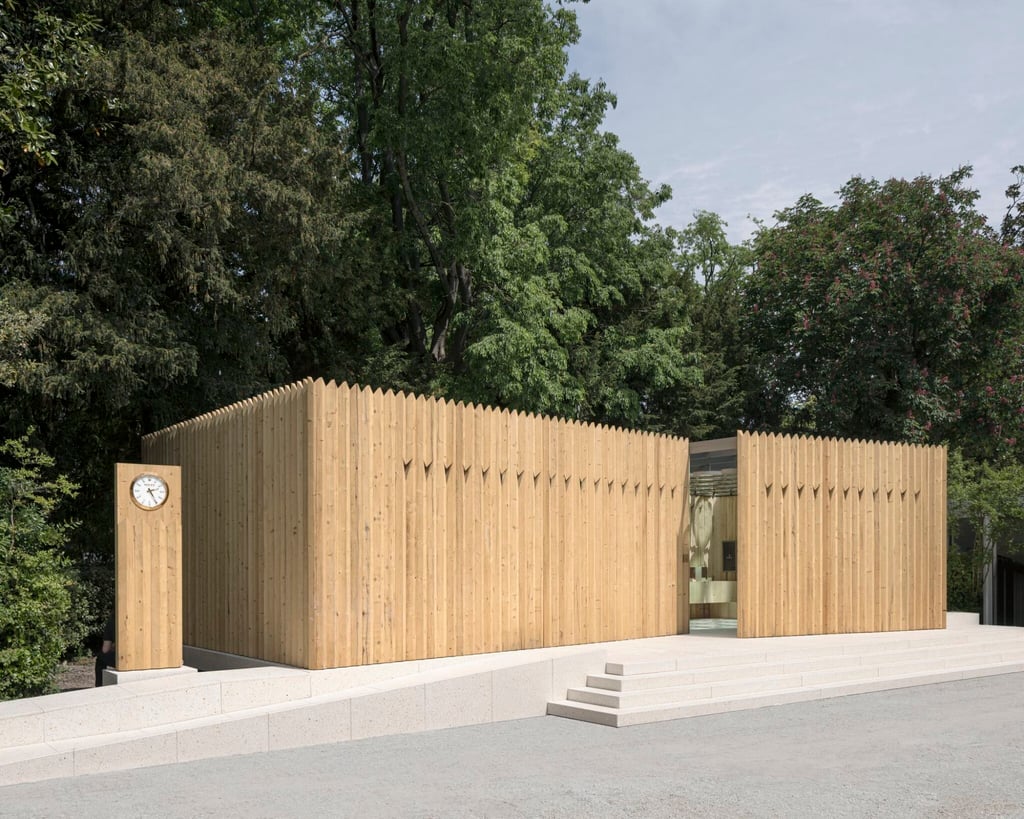
Rolex has designed its pavilion at the event as a temple of sustainability, realised by local craftspeople using traditional building methods and recycled materials. The creation is by French-Nigerien architectural virtuoso Mariam Issoufou, who specialises in work that considers both the environmental conditions and the social and cultural background of each project, and showcases a wooden facade made from recycled wood that recalls Rolex’s trademark fluted bezels. This is complemented by the pavilion’s interior, which features a translucent ceiling made of Murano glass and dazzling terrazzo flooring.
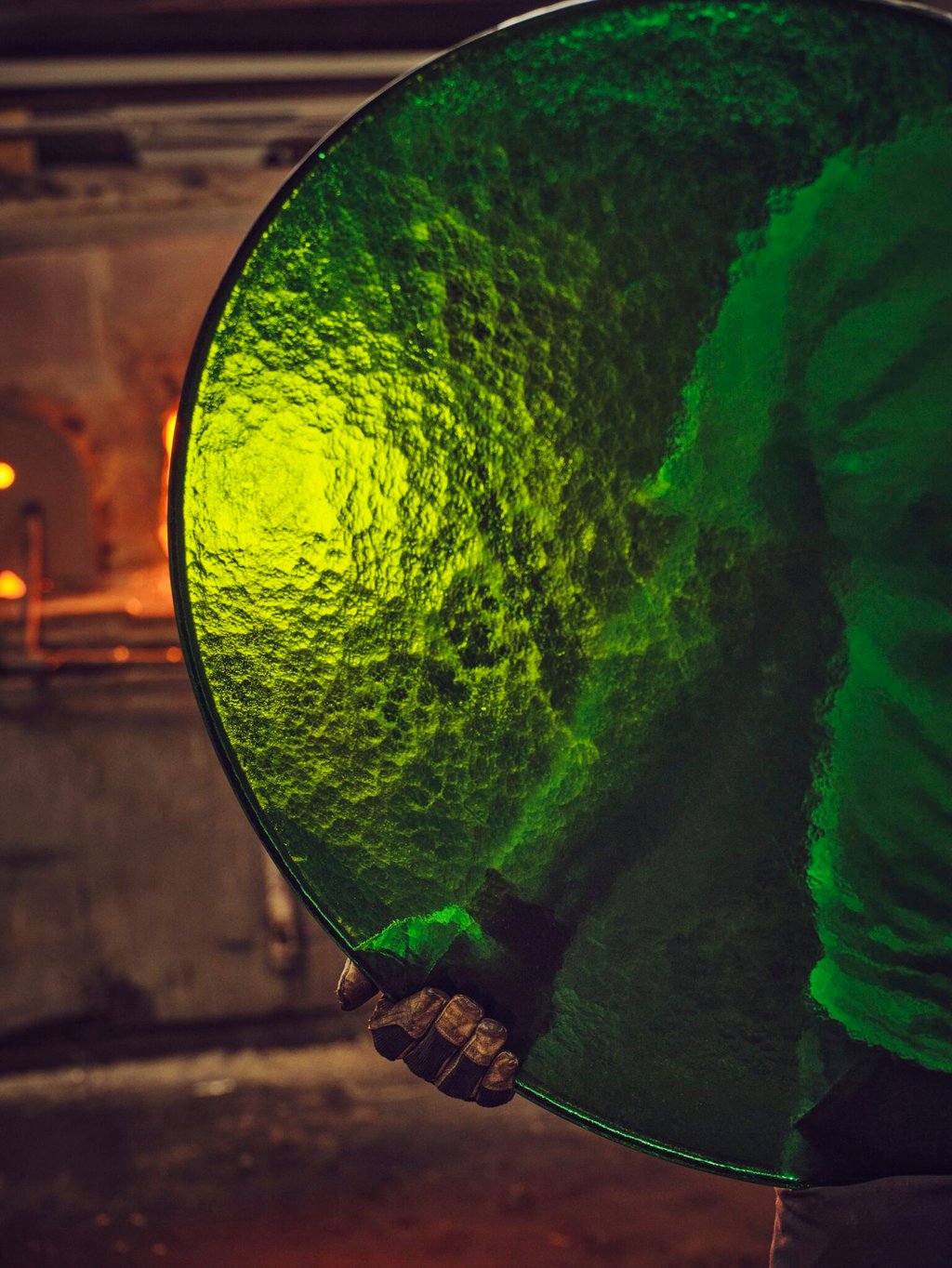
The displays inside similarly illuminate the transformative possibilities of architectural reinvention. Among them are a film about the making of the pavilion, with models that provide insight into how the design evolved, as well as pictures of the work of the local craftspeople who participated in its creation.