Today, the engagement ring takes pride of place in Hong Kong alongside Chinese ceremonial gifts – L’ÉCOLE, School of Jewelry Arts’ new course will offer a closer look
Hong Kong’s wedding traditions sit at a fascinating crossroads of history, Chinese customs and modern romance. Long before diamond engagement rings became familiar, marriage in Chinese culture was marked through a series of symbolic objects rather than singular gestures. While rings as wedding symbols date back to ancient Egypt and Rome, documented Chinese equivalents appear from the Song dynasty onwards, evolving through dowries and ceremonial gifts rather than private proposals. Marriage was a union of families, shaped by ritual, hierarchy and ancestral respect, with meaning carried through jade, gold and silk.
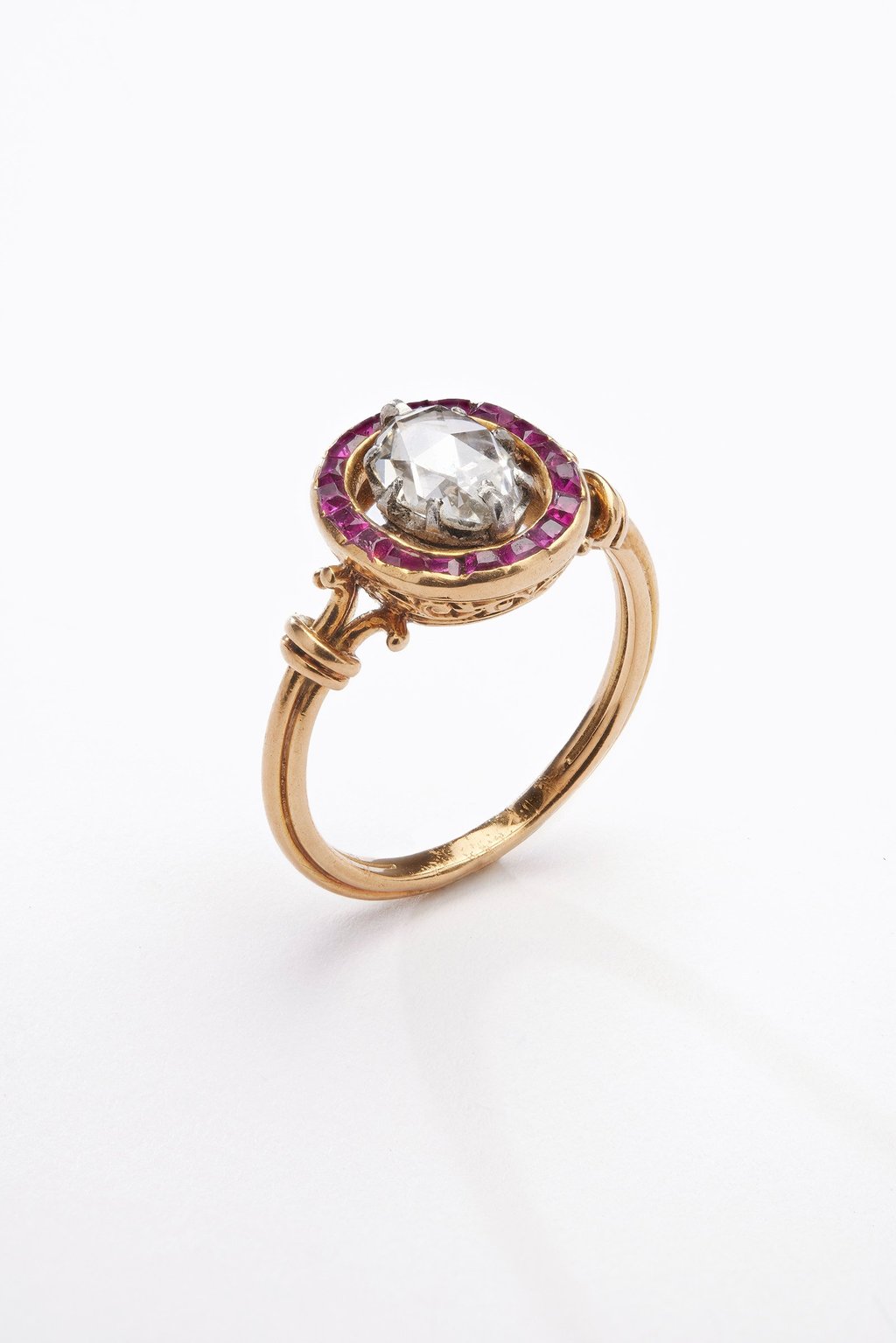
A gold ring with a crowned rose-cut diamond set in platinum prongs, in the centre of a circle of calibrated rubies, circa 1880, France. Photo: Benjamin Chelly/L’ÉCOLE, School of Jewelry Arts
For centuries, betrothal was expressed through objects rich in symbolism. Jade pendants stood for protection and longevity, red silk knots signified auspiciousness while gold spoke of prosperity. In Chinese tradition, the groom’s family would present the bride with the sanjin – three gold pieces, often rings, bracelets and pendants – affirming commitment and blessing the union.
Advertisement
Other regional customs added layers of meaning: dragon and phoenix bracelets embodied yin and yang, balance and harmony, while the gold pig necklace symbolised fertility and abundance. These practices were deeply communal, shaped by feng shui and family expectations – traditions that continue to influence Hong Kong weddings today.
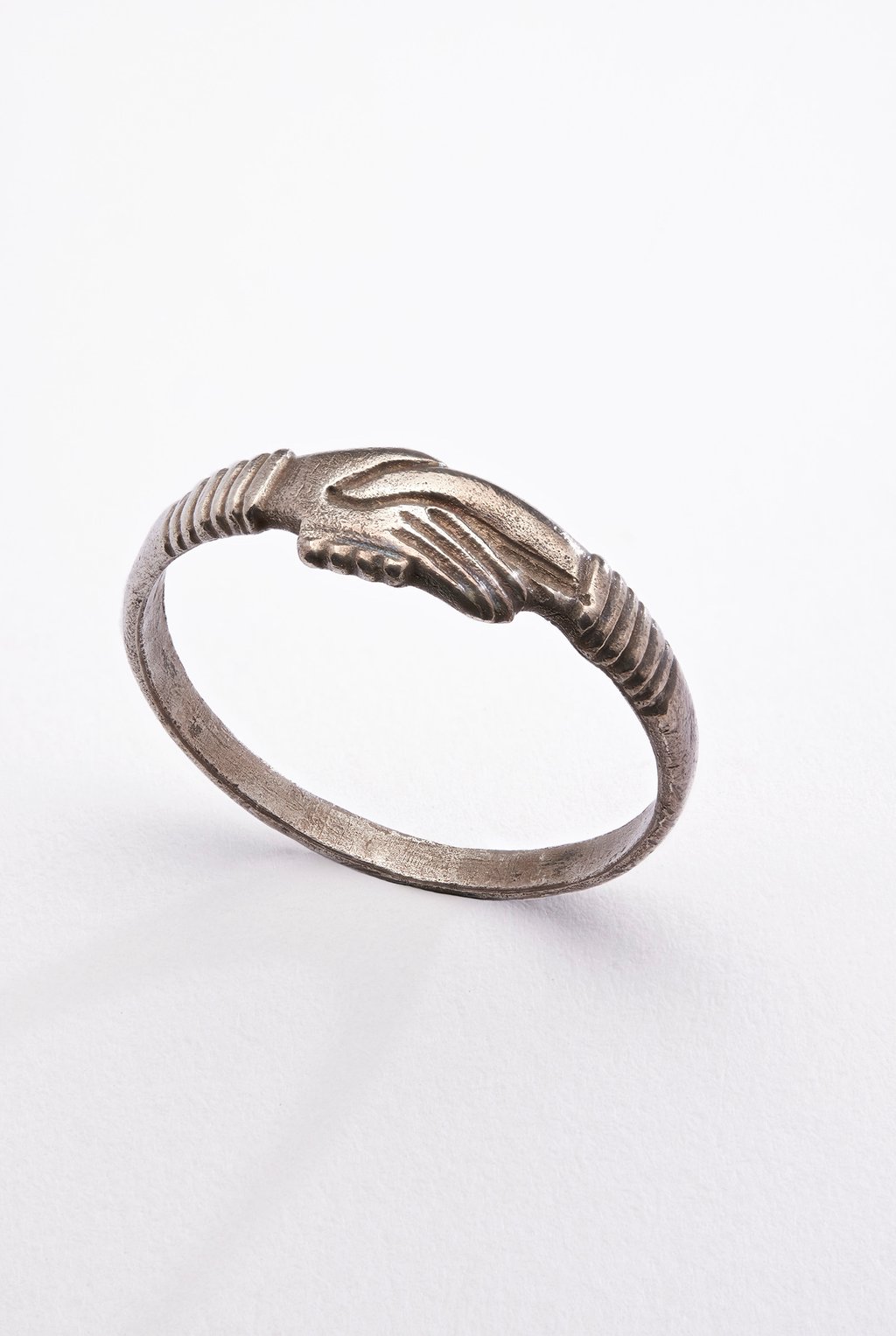
Fede engagement ring in silver with central clasped hands motif, from 15th-century England, from Collection B. Cavill. Photo: Benjamin Chelly/L’ÉCOLE, School of Jewelry Arts
The diamond, when it arrived, did not displace these customs. Instead, it complemented them. The Western-style engagement ring – private, individual and romantic – is a relatively recent addition, layered onto an existing framework of ritual. As Chinese couples embraced white gowns alongside red embroidered Qun Kwa, and proposals alongside tea ceremonies, the engagement ring became both a modern symbol and a continuation of centuries-old storytelling through jewellery.
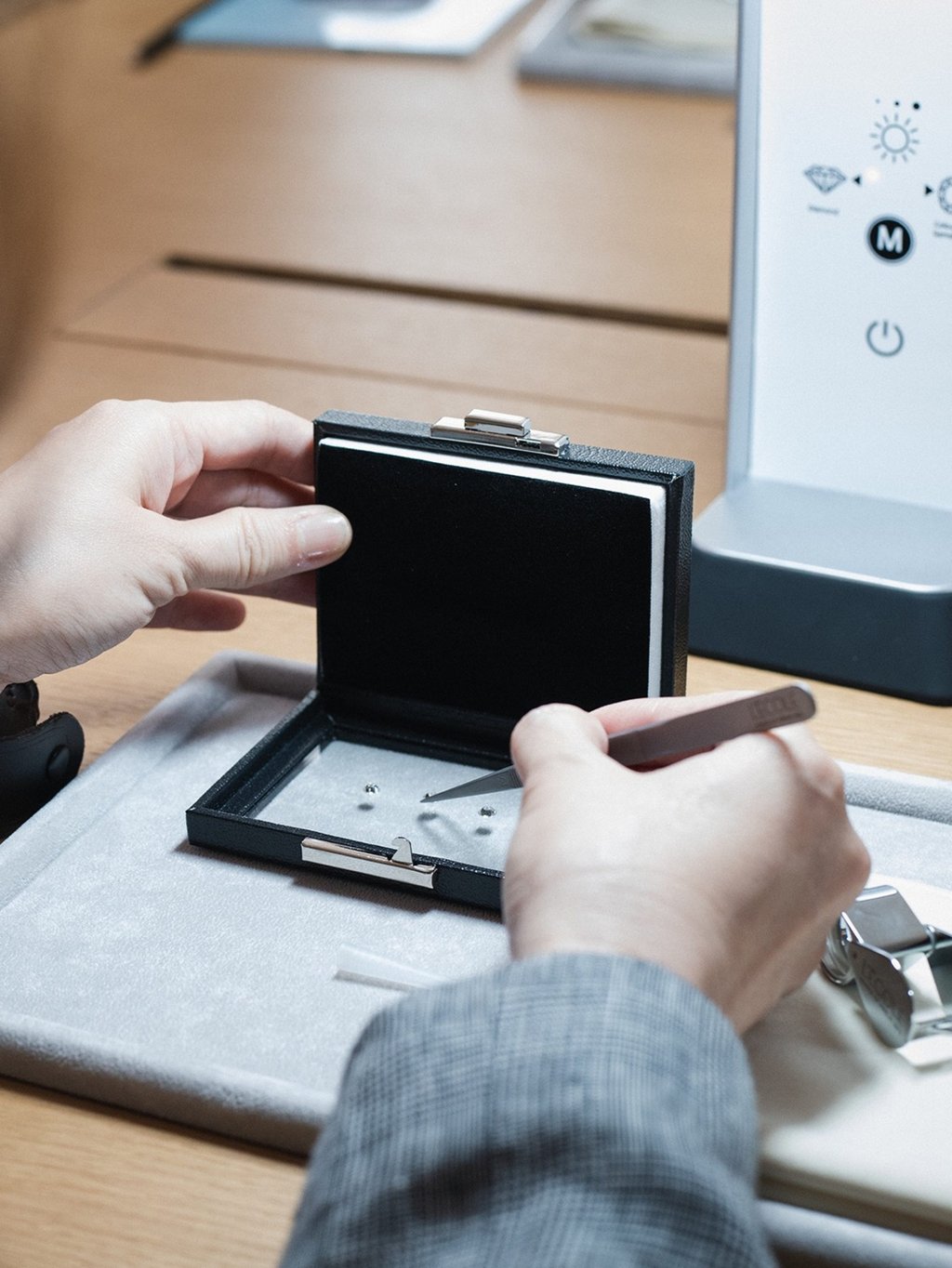
Studying jewels at L’ÉCOLE, School of Jewelry Arts. Photo: Handout
This nuanced evolution is the foundation of L’ÉCOLE’s The Engagement Ring: A Love Story course at L’ÉCOLE Asia Pacific. Led by an art historian, a gemologist and a jeweller, the course offers an immersive exploration into the making of an engagement ring, which draws on at least 10 specialised jewellery-making skills. Participants will get to experience polishing and setting for themselves, gaining rare insight into the techniques that contributed to the evolution of style over time.
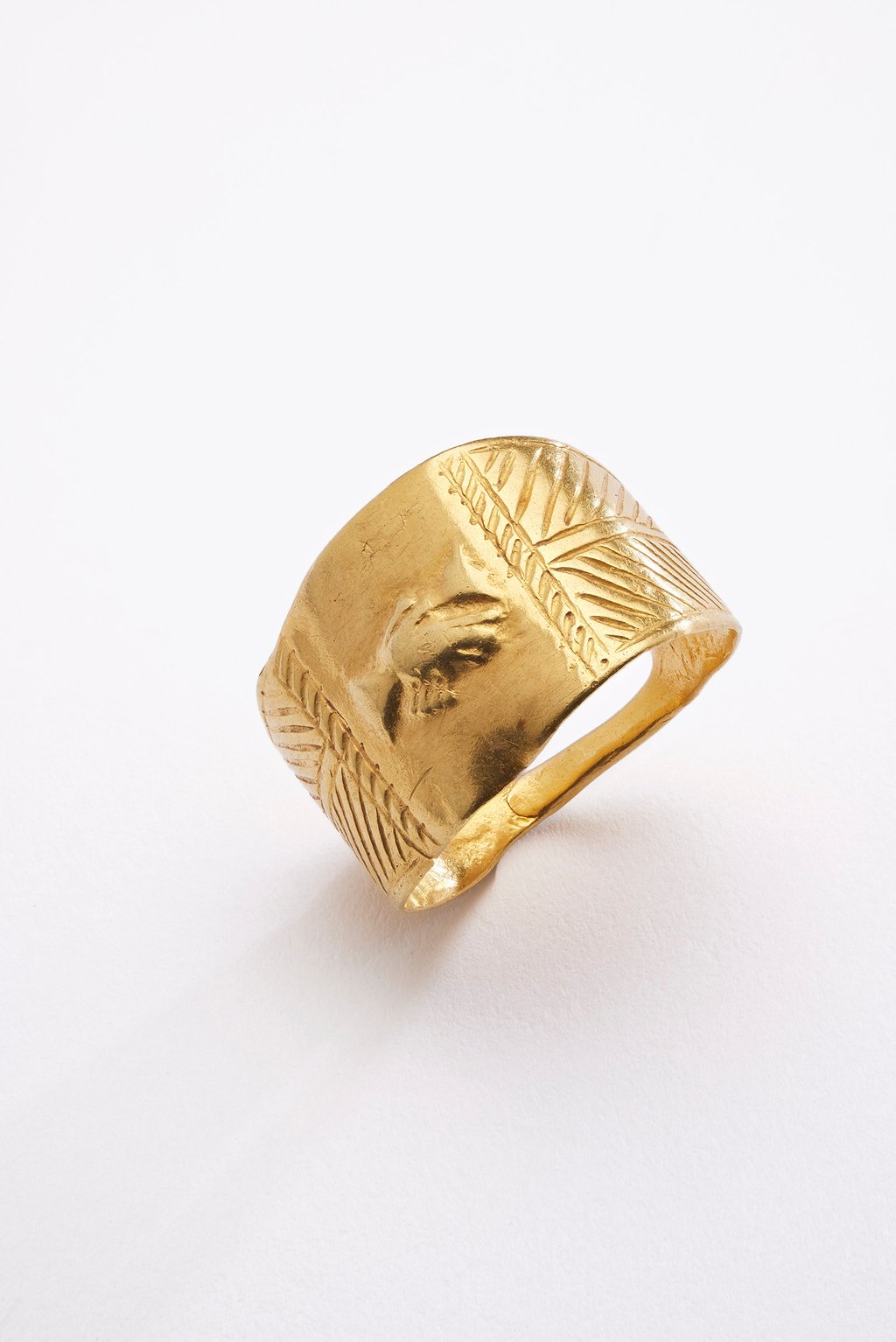
Roman ring in gold, from the 3rd century, from private collection Rouen. Photo: Benjamin Chelly/L’ÉCOLE, School of Jewelry Arts
At once scholarly and tactile, the course invites guests to reconsider what they thought they knew about this enduring symbol. Participants leave with a deeper cultural and technical understanding, a certificate of completion, and curated resources to continue their study – all within the framework of L’ÉCOLE’s Discover the Diamond, Art and Science cultural programme.