Style Edit: De Beers drops lab-grown diamond jewellery to focus on natural stones

Lightbox, De Beers’ lab-grown jewellery brand, will close, as the Gemological Institute of America will no longer use 4Cs grading for artificial stones
In the rarefied world of jewellery, the brightest light apparently comes from the deepest origins. This year, the Gemological Institute of America (GIA) – the foremost arbiter of diamond standards for more than 90 years – has drawn an unmistakable line between the treasures of the Earth and their laboratory-made counterparts.
On June 2, the institute announced that by year’s end, its famed 4Cs grading system – cut, colour, clarity, carat – will no longer apply to lab-grown diamonds. Instead, man-made stones will receive simplified descriptors such as “premium” or “standard”, or no grade at all if they fall short.
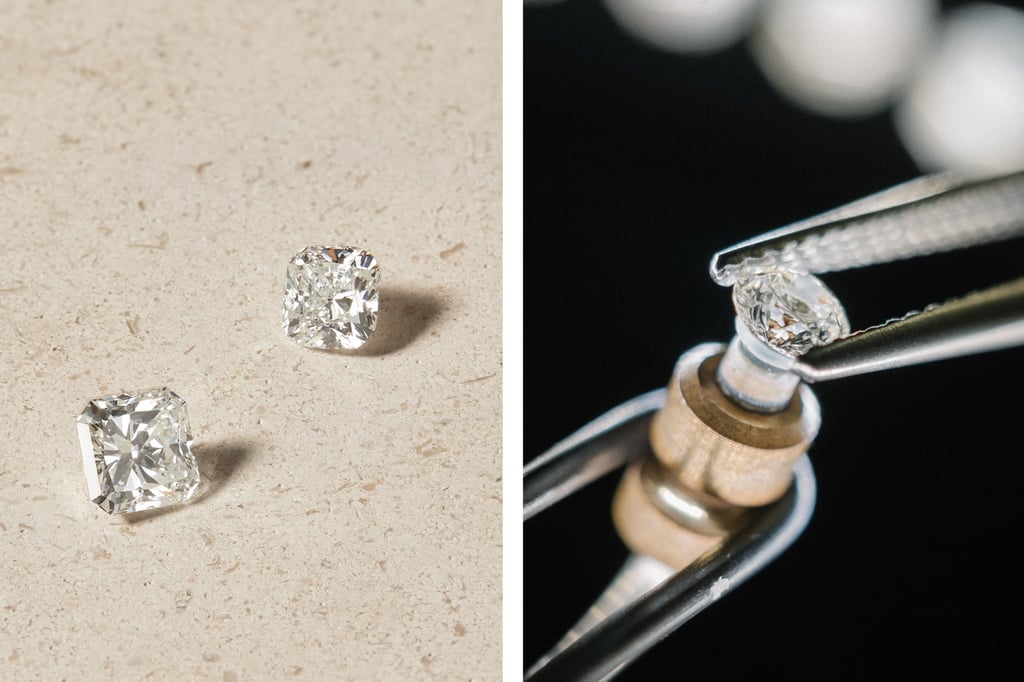
For the GIA, this is no cosmetic change but a definitive separation of categories. More than 95 per cent of lab-grown diamonds fall within a narrow band of colour and clarity, making the precision of the 4Cs – developed to express the nuances of natural stones – irrelevant in the synthetic realm. From now on, the full vocabulary of rarity is reserved for gems formed over billions of years, under the unrepeatable pressures of the Earth’s mantle.
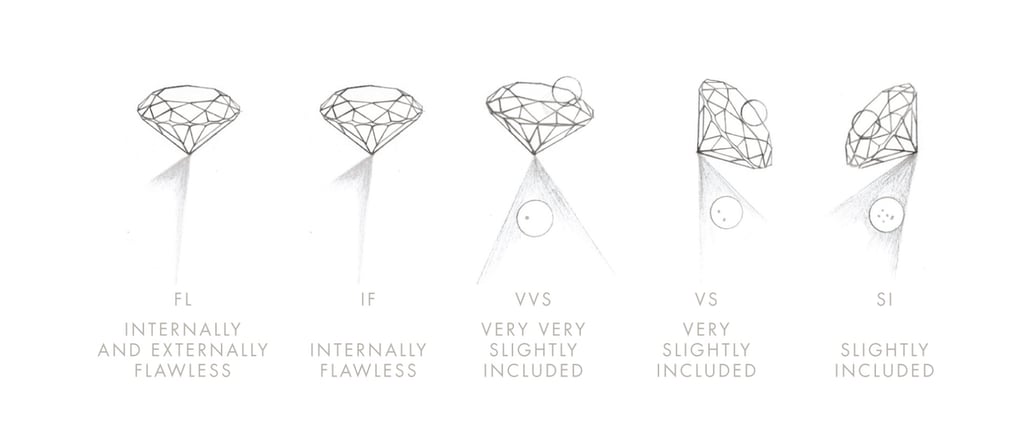
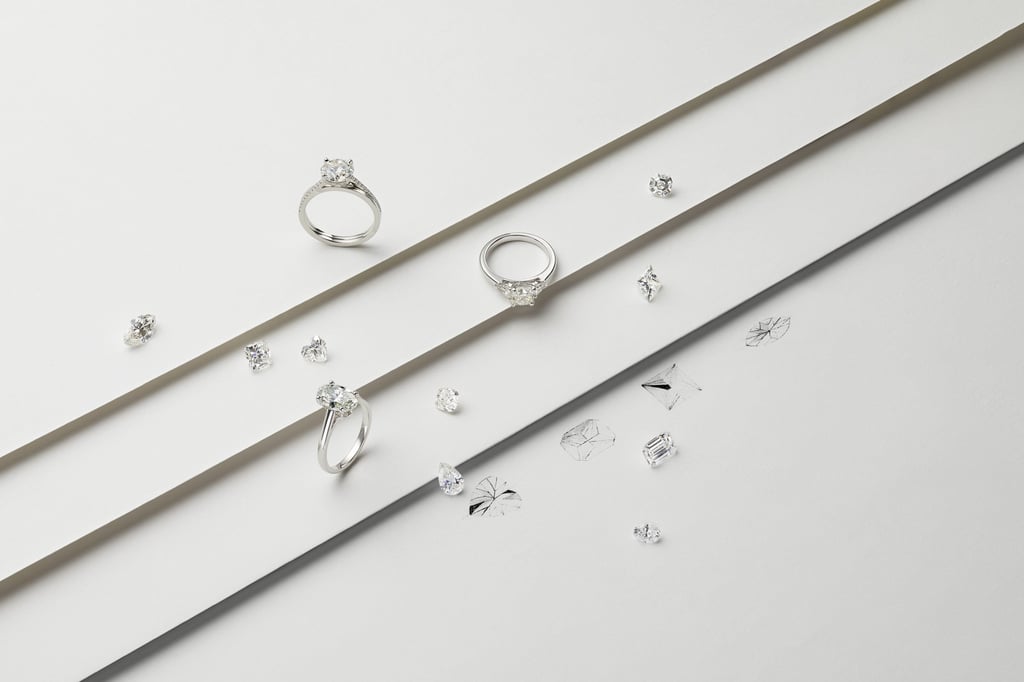
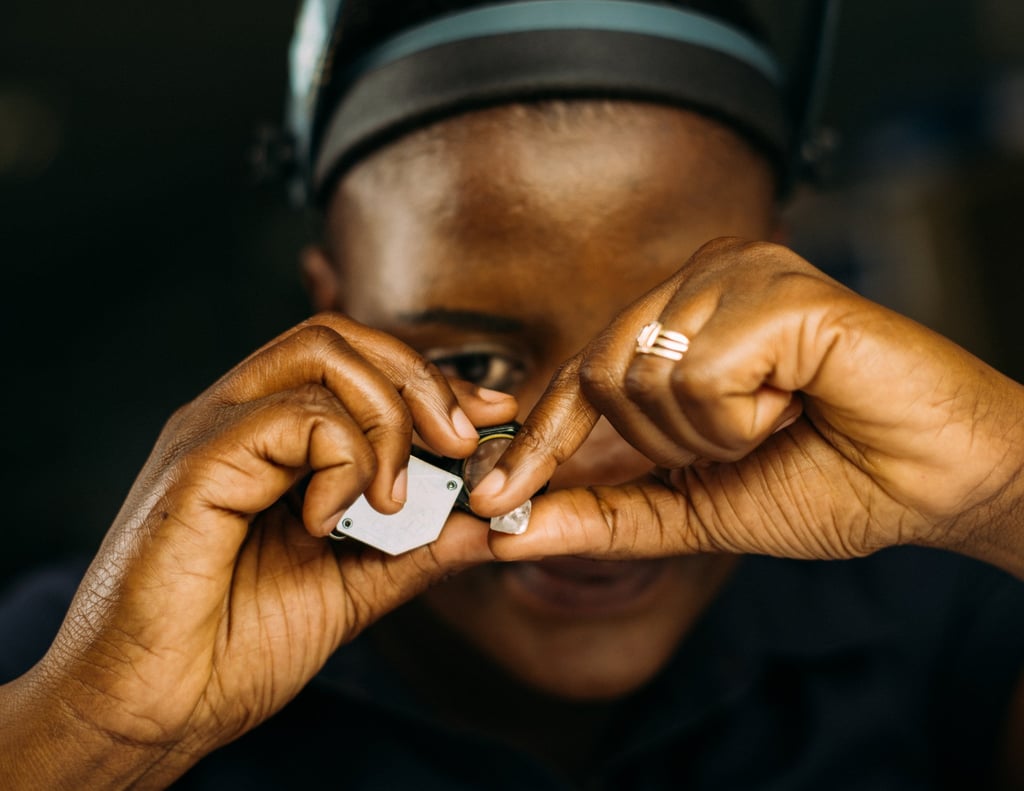
For natural diamonds, the move is a reaffirmation of their magic: no two are identical, each having singular growth patterns and inclusions, each its own geological signature. They hold value not only for their scarcity and beauty but for the stories they come to carry – of love, commitment, heritage and investment.
Synthetic stones will remain in De Beers’ portfolio, but in a different arena entirely. Through its Element Six division, the company will continue producing lab-grown diamonds for advanced industrial and technological applications – from semiconductors to quantum computing – where performance, not romance, is the measure of worth.
As CEO Al Cook observes, the widening gulf between “factory made” and “Earth made” is only becoming clearer. With the GIA redrawing the rules and De Beers doubling down, natural diamonds are not just holding their position – they are reclaiming the narrative in a market where rarity is the ultimate luxury.