Explainer / Why are Fabergé eggs so expensive? The history behind the jewelled pieces

Gemfield Group just sold Fabergé – beloved by Elton John and made famous by Imperial Russia – to SMG Capital for US$50 million
Gemfields Group said on Monday it had sold Fabergé Ltd, the maker of the jewelled Fabergé eggs, to SMG Capital for US$50 million, as the coloured gemstones miner ramps up efforts to streamline its business.
The sale concludes a review of the business started by Gemfields late last year. The group had bought the jeweller in 2012 to boost its gems business and use the brand name to promote its jewellery.
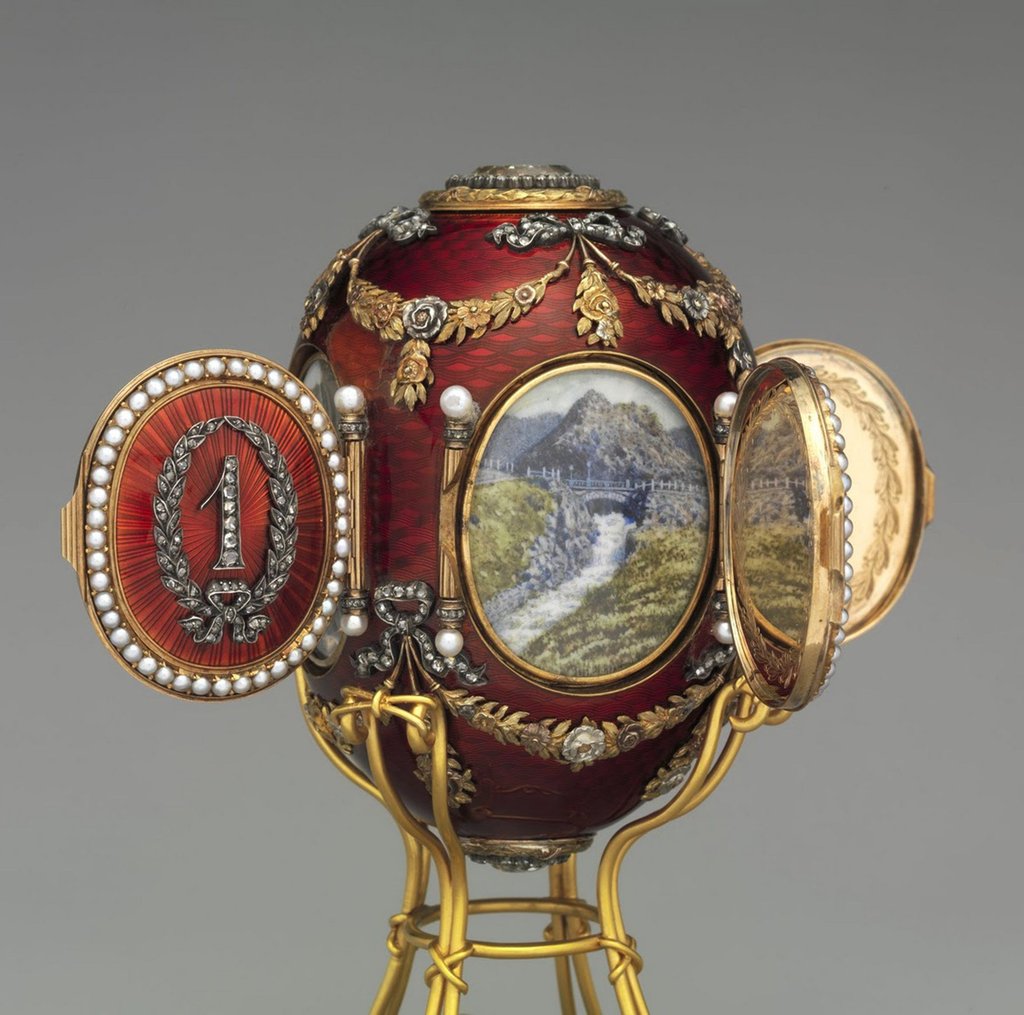
But what are Fabergé eggs, and how did they become a status symbol for the wealthy?
The first Fabergé egg was commissioned in 1885 by Russia’s Emperor Alexander III as an elaborate Easter egg for his wife, Empress Maria Feodorovna.
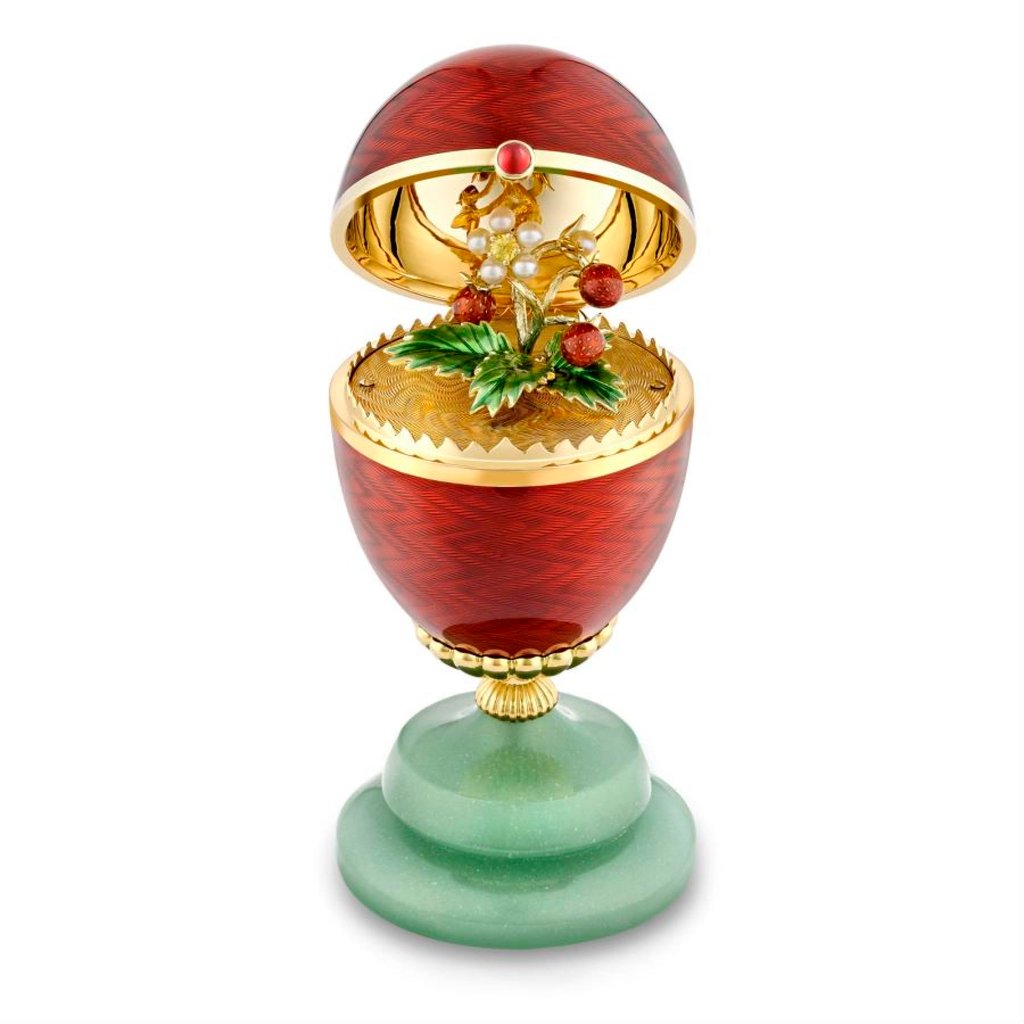
After the first commission, Fabergé became the “goldsmith by special appointment to the Imperial Crown”, and the jeweller went on to produce 50 more imperial eggs for the royal family between 1885 and 1893. Of the 50 eggs, seven are still unaccounted for.
The Russian Revolution brought a violent end to the House of Fabergé though. The company was nationalised in 1918 when the Bolsheviks seized workshops and confiscated its stock. Later that year, the family fled to Germany. In the 1930s, an American named Sam Rubin co-opted the Fabergé name for his perfume business; it was later sold to cosmetic company Rayette, and then in 1989 to Unilever. It wasn’t until the 1990s that Fabergé went back to its roots, restoring jewellery through an association with Victor Mayer GmbH. The Fabergé brand was officially relaunched in 2009, with the house releasing its first collection since 1917.