Advertisement
Advertisement
Advertisement
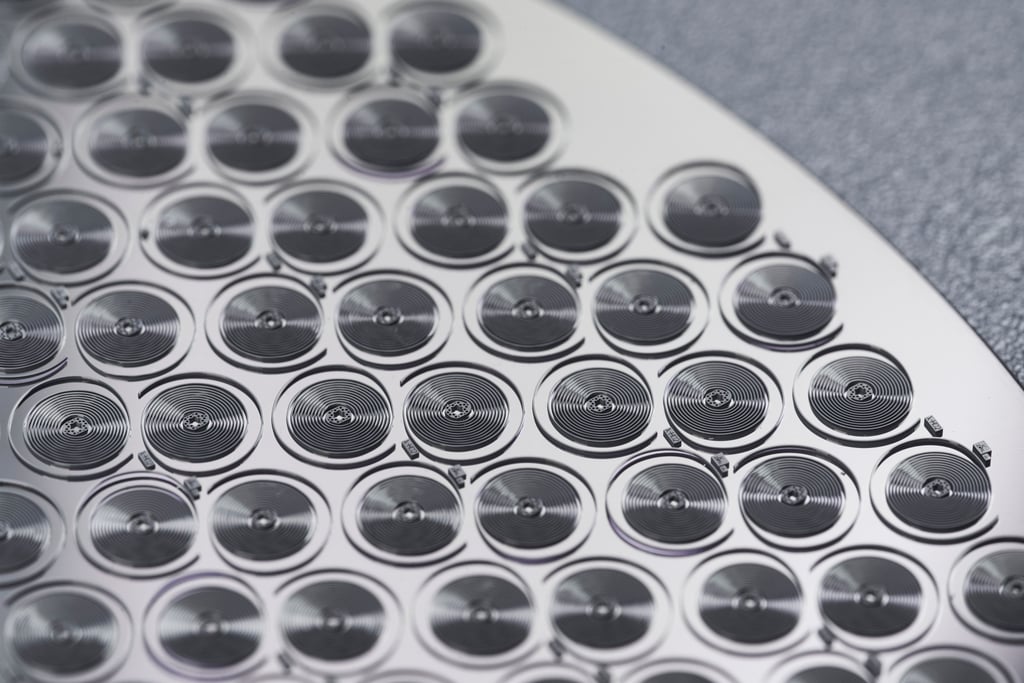
How nanotechnology is breaking boundaries in luxury watches: Hermès’ incorporated a photolithography technique for its Cape Cod Crépuscule while Tag Heuer patented a carbon composite hairspring
STORYAnnie Darling

- Luxury brands continue to explore the possibilities of nanotechnology in haute horlogerie, allowing updates in increased miniaturisation, precision and reliability in its designs
- Zenith’s Julien Tornare says that using this technology allows the brand to ‘think outside the box’, as it constantly updates models like the Chronomaster El Primero and its Pilot watches
Ever since spring-powered clocks were developed in 15th century Europe, watchmakers have strived to advance the science behind haute horlogerie. First, the mainspring was brainstormed as a mechanism for powering a clock. This apparatus stopped the cracking and weakening of a timepiece’s movement so it could withstand numerous cycles.
Next came the balance wheel, which ensures that movements are able to keep regular time, invented in the mid-17th century by Dutch mathematician and all-round know-it-all Christiaan Huygens. And, of course, any collector worth their salt knows about Abraham-Louis Breguet’s tourbillon that rotates a timepiece’s movement to counter the negative effect of Earth’s gravity.
Advertisement
Select Voice
Select Speed
1x
AI-generated voice