Looking for a city break? Try a ryokan experience in Japan – from omotenashi hospitality and natural onsen at Wabizakura in Akita to the Japanese-royal-family-approved Gōra Kadan in Hakone

- In Japan, the epitome of chilling out is having a soak in an inn’s hot springs – and The Ryokan Collection is a good place to start, with over 47 luxury ryokans across the nation
- From snowy Hokkaido to the subtropical beaches of Kyushu, the embrace of onsen and ryokan culture is varied – from offering an authentic taste of local life to the very best in luxury experience
Japan is a country famed for not doing things by halves. Devotion to, and focus on, the activity at hand – whether that be office work, hobbies or even house work – is seen as admirable, and the term majime (meaning dedicated, earnest or even serious, depending on the context), is seen as a trait to be commended.
This dedication and pursuit of perfection is even prevalent when it comes to leisure and relaxation. Japan offers some of the most elevated options for relaxation anywhere, for those who want to switch off and immerse themselves in every way. Nowhere is this better demonstrated than in the embrace of onsen and ryokan culture.
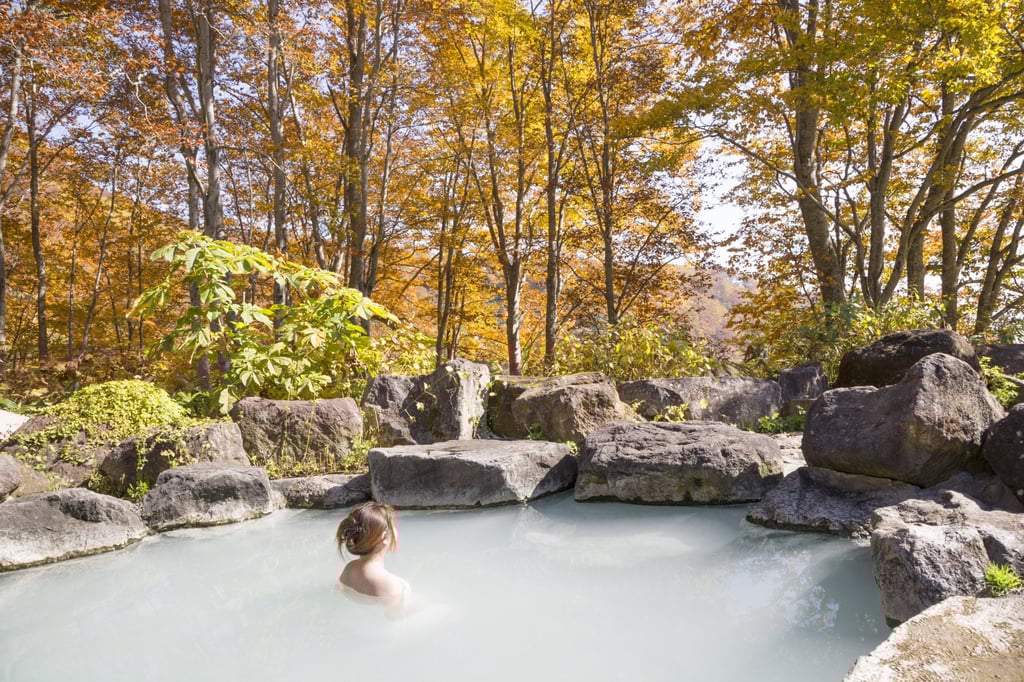
Origins of onsen culture
Onsen is the Japanese word for the naturally occurring hot springs that pepper the Japanese archipelago, from the frozen north of Hokkaido to the subtropical southern beaches of Kyushu.
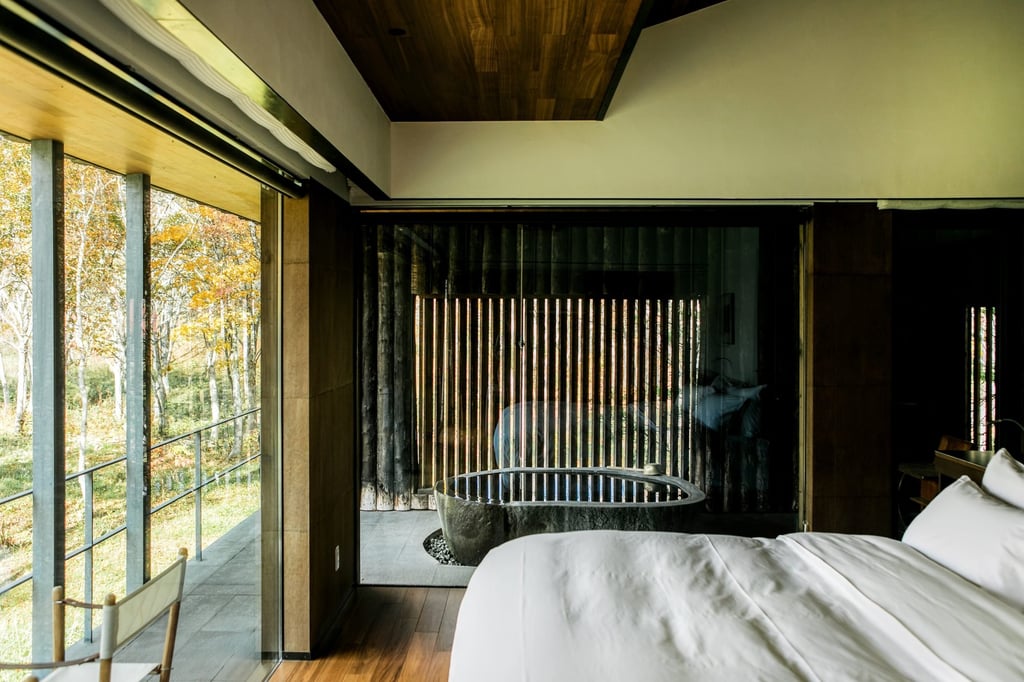
The bathing itself is much more than simply a chance to clean your body: in fact one of the most important rules when visiting an onsen is to be sure you wash yourself thoroughly before entering the bath. It is instead a ritual centred on cleansing yourself spiritually as well as physically.
This practice, with roots in Shinto beliefs, is said to offer cures and relief for a variety of ailments, with the different composition of water found up and down the country giving rise to a very particular kind of tourism.
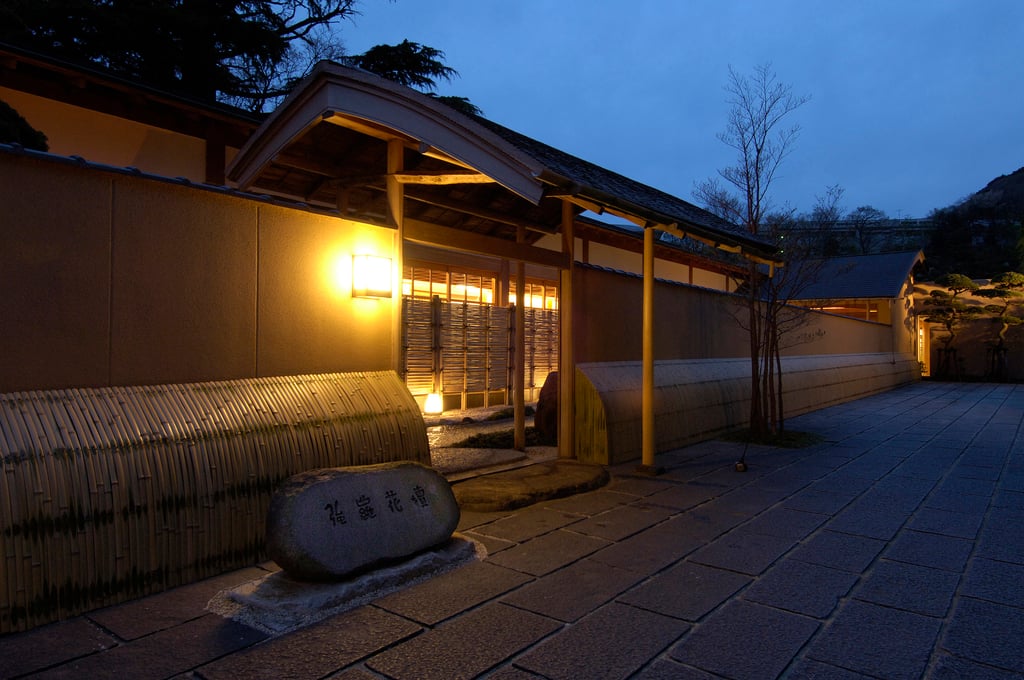
Evolution of ryokan
Traditionally, the inns promised the weary traveller a place to rest, recuperate in the waters and enjoy a filling meal before they continued on their journey. Today, ryokans offer Japanese and international visitors alike an authentic taste of local life and ways to enjoy their time outside the water. Meals are often served in traditional tatami rooms in the style of a kaiseki course menu, perhaps showcasing seasonal ingredients sourced from the immediate area.