Advertisement
Advertisement
Advertisement
Trends

‘Timeless style’: Italian womenswear label Max Mara marks 75 years – interview

STORYVincenzo La Torre
Max Mara fall/winter 2026 collection. Photo: Handout
Fashion

The founder’s granddaughter, Maria Giulia Prezioso Maramotti, and long-time creative director Ian Griffiths reflect on the brand’s understated quality and lasting impact

When Italian label Max Mara celebrated its 75th anniversary earlier this year with an exhibition and fashion show at the Long Museum in Shanghai, it released three limited-edition coats to commemorate the milestone. The coats, which sold out quickly, were all reissues of archival pieces, including one dating back three decades. Although the brand’s ateliers reworked them in materials such as extremely light pure cashmere, their silhouettes remained the same, showcasing their relevance after so many years.
Established in 1951 by Achille Maramotti in Reggio Emilia, a city in northern Italy, Max Mara is a go-to brand for women with things to do and places to be. Unlike many labels that make grand statements on the runway – often at the expense of serving their customers – Max Mara has always prioritised its loyal clientele. Its well-made wardrobe staples look fabulous at its Milan runway shows and just as fabulous on real women who want to look well put-together but not like they’re trying too hard.
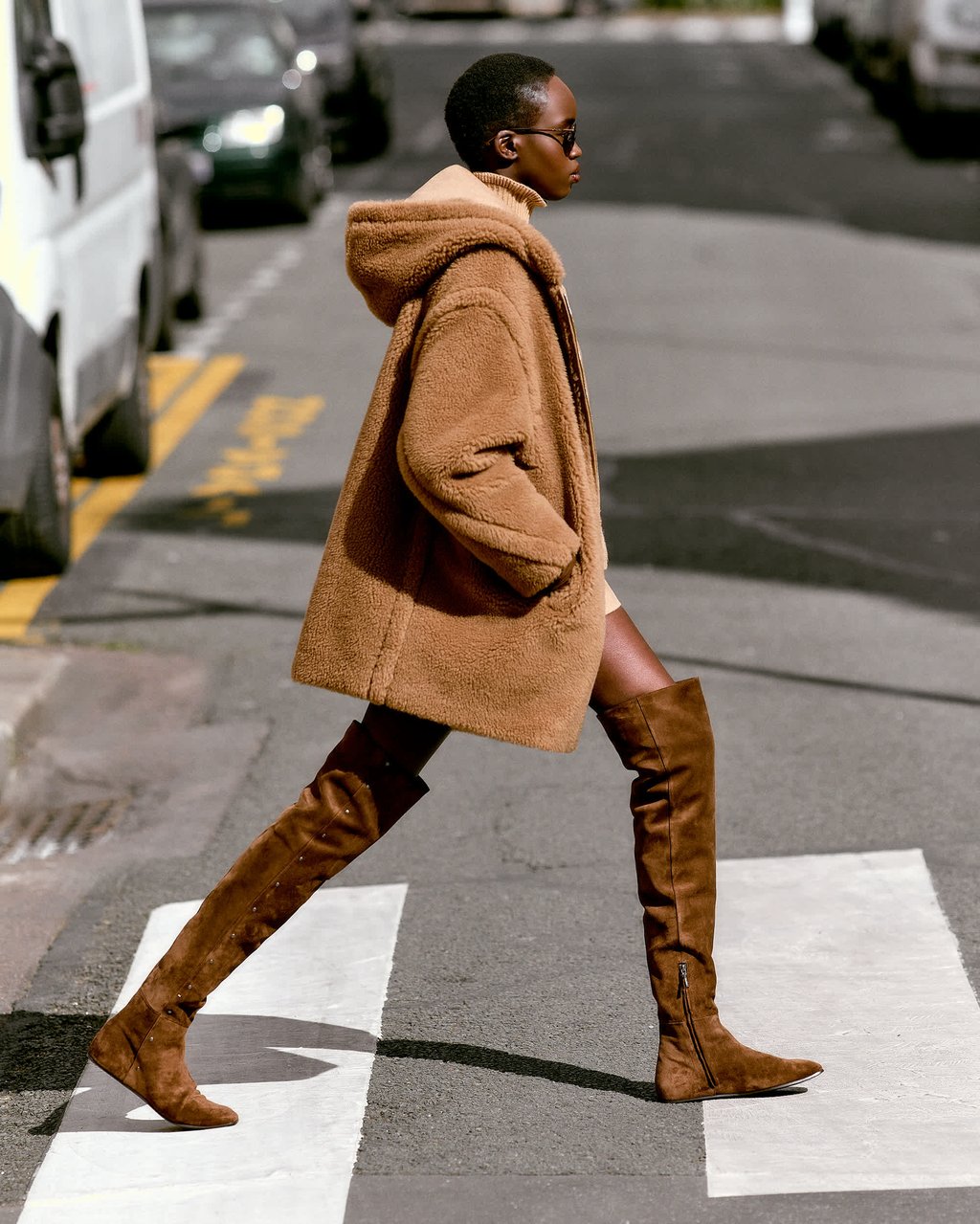
Max Mara fall/winter 2026. Photo: Handout
Advertisement

“It’s always been part of our DNA: clothing and the idea of really having great wardrobe staples, garments that last, that are not necessarily the bling-bling pieces,” explained Maria Giulia Prezioso Maramotti in an interview in Shanghai. “And look, there’s nothing wrong with having special pieces, but I think that Max Mara serves as the ground – I would call it the white canvas of every woman’s wardrobe.”

A board member of the Max Mara Fashion Group and the granddaughter of founder Achille, Maria Giulia sees herself as the steward of a brand that over the years has stayed true to its values while also evolving to cater to the changing needs of female luxury consumers. “There is a custody, a sense of protection towards these values when it comes to product development, when it comes to the consistency and the truth to these values, and how to preserve them in order to ultimately preserve the integrity of the brand, which is the most important thing that we have,” she says.
Sketches from the Max Mara archives. Photo: Handout
Maria Giulia, who spends a lot of time in the company archives, believes that the secret to Max Mara’s staying power is its consistency. “Craftsmanship, fabric research, quality, the cleanness of our line, the idea of a timeless style that becomes almost like a white canvas across generations for women. And then, obviously, women are at the centre of our universe,” she says. “Those have been pillars that were true in 1951 and are true in 2026, and will probably be true in 25 years. But you also have to evolve. You have to use the past as a guideline but not be stuck there.”
When Achille began to make ready-to-wear in 1951, his first collection consisted of a suit and a coat, which to this day still represent the bread and butter of Max Mara’s offerings. You really cannot talk about Max Mara without mentioning its bestselling coats – from the 101801, first created in 1981 by Anne-Marie Beretta, to the Teddy Bear, designed by current creative director Ian Griffiths and released in 2013.
The 101801, first created in 1981 by Anne-Marie Beretta. Photo: Handout

An unofficial member of the founding family, Griffiths has been at Max Mara since 1987, working alongside Achille and his descendants to help turn the brand into the global powerhouse it is today. For him Max Mara represents the energy and vibrancy of city life – places such as New York, Shanghai, Tokyo and Milan – where women on the go like to wear beautiful garments that don’t make them look like fashion victims. “Max Mara is a metropolitan phenomenon for a woman who lives in the city, works in the city and just wishes to engage with the city fully. So Max Mara is about the city, and about modernity,” says Griffiths.

Select Voice
Select Speed
1.00x