Inside Netflix’s Hell Camp: Teen Nightmare – what is ‘wilderness therapy’, which camp was Paris Hilton sent to, and what happened to the man behind the Challenger Foundation, Steve Cartisano?

- The streaming giant’s new documentary lifts the lid on the Challenger Foundation, whose ‘tough love’ programme – including 500-mile hikes through the Utah desert – left a 16-year-old camper dead
- Paris Hilton was forcibly sent to a similar Utah facility, Provo Canyon School – where, she says, ‘I was strangled, slapped across the face, watched in the shower by male staff’
New Netflix documentary Hell Camp: Teen Nightmare has shocked viewers after exposing the truth behind America’s “behavioural camps” for children.
Directed by Liza Williams, the 90-minute film explores the lines between discipline and abuse, sharing the stories of survivors and the people behind the brutal Challenger programme.
Here’s what we learned about the camp ... and the people who run it.
What was the Challenger programme?
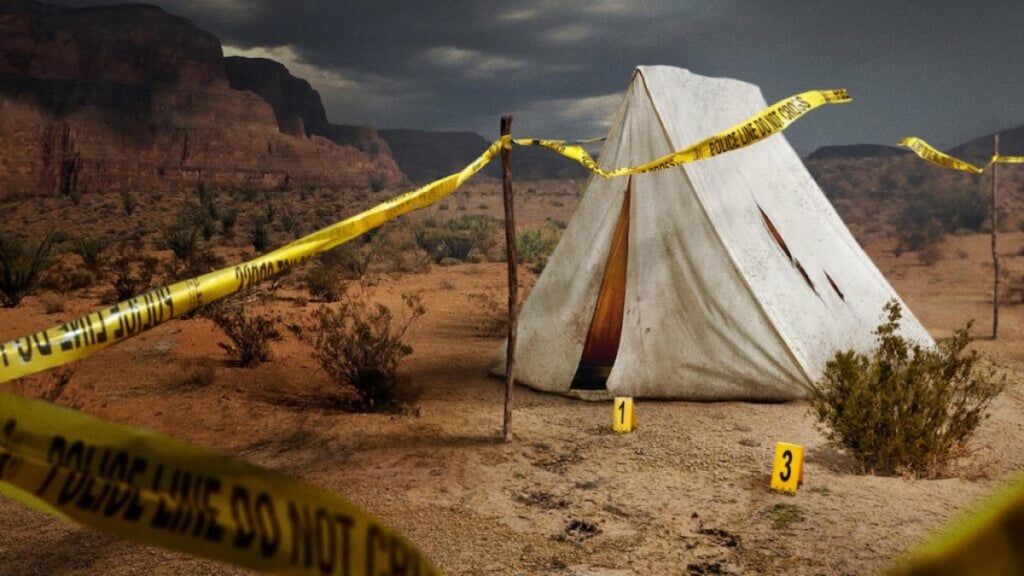
The programme was run by the Challenger Foundation, an organisation established in 1988 by Steve Cartisano, a retired US Air Force instructor and military special forces officer.
The Challenger programme surprised “disobedient” teenagers in their beds in the middle of the night, transporting them to a wilderness camp in the US state of Utah, with parents footing exorbitant bills even exceeding US$16,000 for said “obedience training”.
Once at the “therapy camp”, the children stayed for at least 63 days to complete the programme. They were forced to hike 800km (500 miles) through the desert, sleep on the ground, pull handcarts through rocky terrain, and skin and cook animals. Punishments included packing rocks in campers’ backpacks to weigh them down and tying campers up by their hands and feet.
Most of the kids weren’t actually “troubled”

The definition of a “troubled teen” was less open to debate in the 80s and 90s, mainly coming down to the opinions of frustrated parents. Williams said that, in retrospect, many of the kids needed totally different treatment protocols, or merely had unhealthy relationships with their parents.
Speaking to Variety, Williams said: “I do think that part of the problem with some of the teenagers who were sent to the camps in the 80s or 90s is probably some of them had quite serious mental health problems, behavioural problems that maybe weren’t diagnosed or understood at the time.”
Initially, Williams thought the film was going to be about badly behaved teenagers, but that wasn’t always the case. “Sometimes that is the case and parents were really tearing their hair out and didn’t know what to do about their child who was putting themself in danger,” she said. “But there were other examples where it felt like the child just had a really bad relationship with their mum or dad.”