The age-old practice of hair oiling is gaining new adherents, but not every oil works for every hair type and condition
Once brushed off as an old-school habit tucked among childhood memories of coconut-slicked foreheads, hair oiling has made a quiet but shiny comeback – only now it’s got better lighting and much fancier packaging. What used to be a generational holdover is now splashed across Instagram in slow-motion videos and perched proudly between bottles of gold-laced serum. No longer hidden on the bottom shelf of speciality beauty stores, oil has been rebranded and repackaged as a haircare staple. But behind all the gloss and hype is a ritual that predates every dry shampoo, heat tool and glossy hair serum in your beauty cabinet.
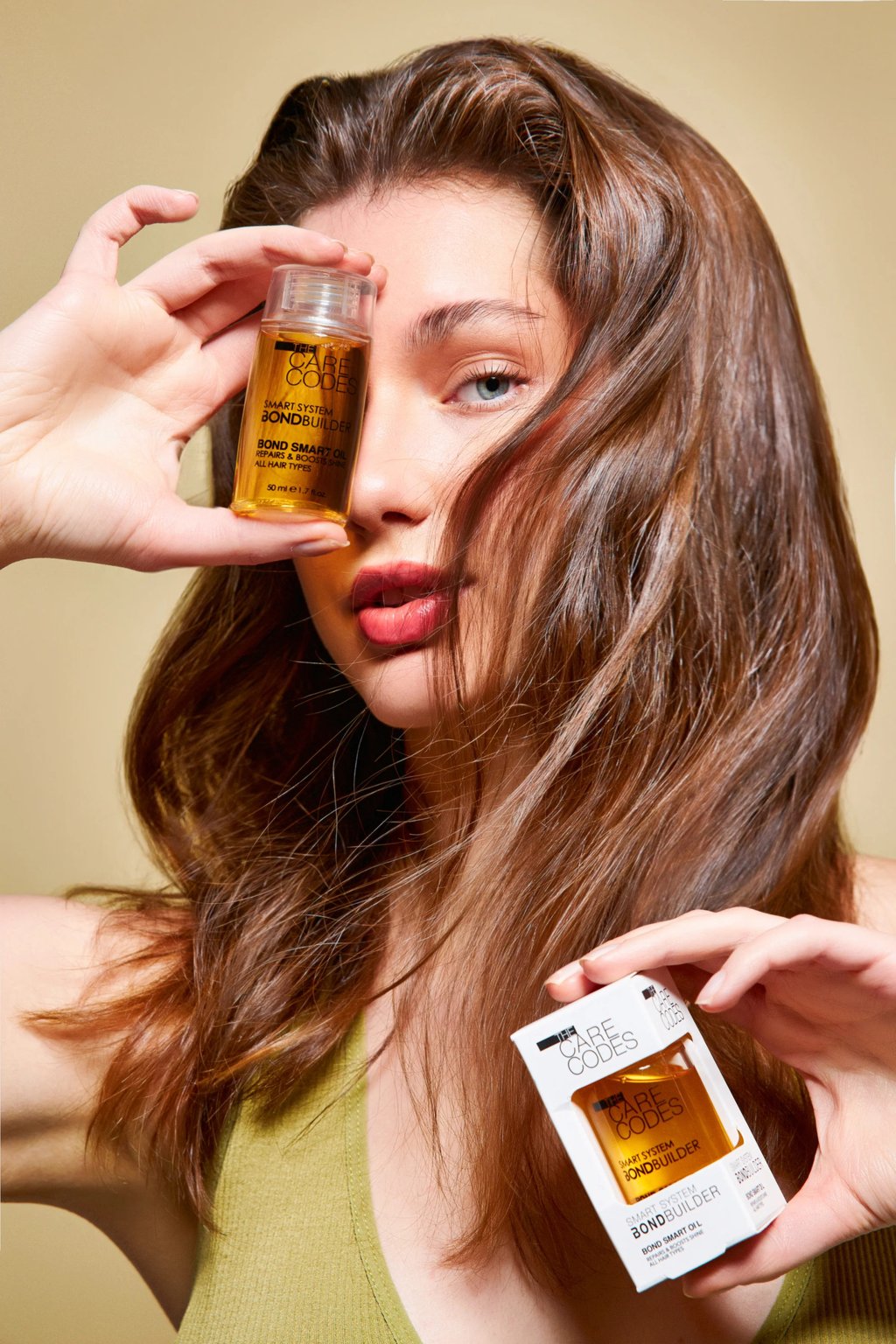
The Care Codes Bond Smart Oil. Photo: Handout
Long before hair oiling was trending on TikTok, it was a sacred beauty practice passed down like family silver. “In South Asian households, it meant sitting on the floor while your mother or grandmother massaged warm oil into your scalp, telling stories as they went,” says Dubai-based Ayurvedic practitioner Dr Anjali Devi. Fast-forward a few centuries and the global beauty industry has finally caught on. Today, hair oil is being reimagined through luxe elixirs and blends that stress their sensory nature – thoughtfully crafted formulas featuring traditional ingredients like jasmine and paying homage to a practice that’s been around for generations.
Advertisement
The problem is that, somewhere along the way, the meaning got diluted. Say “hair oiling” today and most people will think of a styling step: rubbing a few drops into damp ends to calm the frizz. But what we’re talking about is the original version: a pre-wash ritual whereby warm oil is applied to the scalp and hair, left to soak in, then washed out to deeply nourish from root to tip. It’s a full ritual that begins long before the lather.
Part of what makes hair oiling such a mainstay – aside from the nostalgia and spa-like vibes – is that it actually works. That rhythmic massage does more than feel good. “[Hair oiling] has so many benefits. It boosts circulation, nourishes the scalp, strengthens the roots, helps reduce breakage, encourages healthier growth, and can even calm inflammation or flakiness,” Devi says. Ayurvedic practitioners also believe hair oiling to help rebalance the body’s systems, making the tradition as much about inner harmony as it is about shiny hair.
It looks easy enough on social media, but proper hair oiling takes a little more intention than people may realise. Devi explains that it’s not about dumping oil on your head and calling it a day. “You want the oil slightly warmed – a few seconds in warm water or the microwave will do. Then, start at the scalp using your fingertips (not nails, please), massaging in slow, firm circles to stimulate the [hair] roots.”
Monpure Follicle Boost Hair Density Serum (in hand). Photo: Handout
With the scalp covered, it’s time to work the oil down to the mid-lengths and ends – especially if the hair is feeling frazzled or post-bleach crispy. No need to go full greaseball: a light coating is plenty. A wide-toothed comb will help to distribute the oil evenly without tugging, and from there, it’s time to lock in the heat. “Wrap the hair up in a loose bun or braid, then top it off with a warm towel or shower cap to boost absorption, especially if it’s cold and dry out,” Devi advises. And while TikTok influencers might swear by the overnight method, most experts (and probably your pillowcase) would rather you didn’t. One to three hours is more than enough absorption time. Any longer can be too much of a good thing – think build-up, clogged follicles or an irritated scalp.
But the method is only half the equation. The other half? The oil itself. According to London-based trichologist Elizabeth Smith, choosing the right one is where the ritual goes from traditional to truly personal. “[People with] fine or oily hair should stick to lightweight options like argan or jojoba. These moisturise without smothering the scalp or flattening everything into a greasy pancake,” she explains. If the hair is thick, curly, or chronically dry, look to the deep-hydration MVPs: castor oil, rich and syrupy, seals in moisture like no other; while coconut oil penetrates the hair shaft and helps repair damage from heat, bleach or too much dry shampoo. And yes, the scalp has a vote here too. “For those with flaky or irritated scalps, neem and tea tree bring antifungal and soothing powers, and if you have sensitive skin, it’s best to skip the essential oils entirely and go for something gentle like almond or sesame,” Smith suggests.