Laurent built haute parfumerie range Les Heures de Parfum as well as La Panthère range, named for the maison’s famous big cat muse
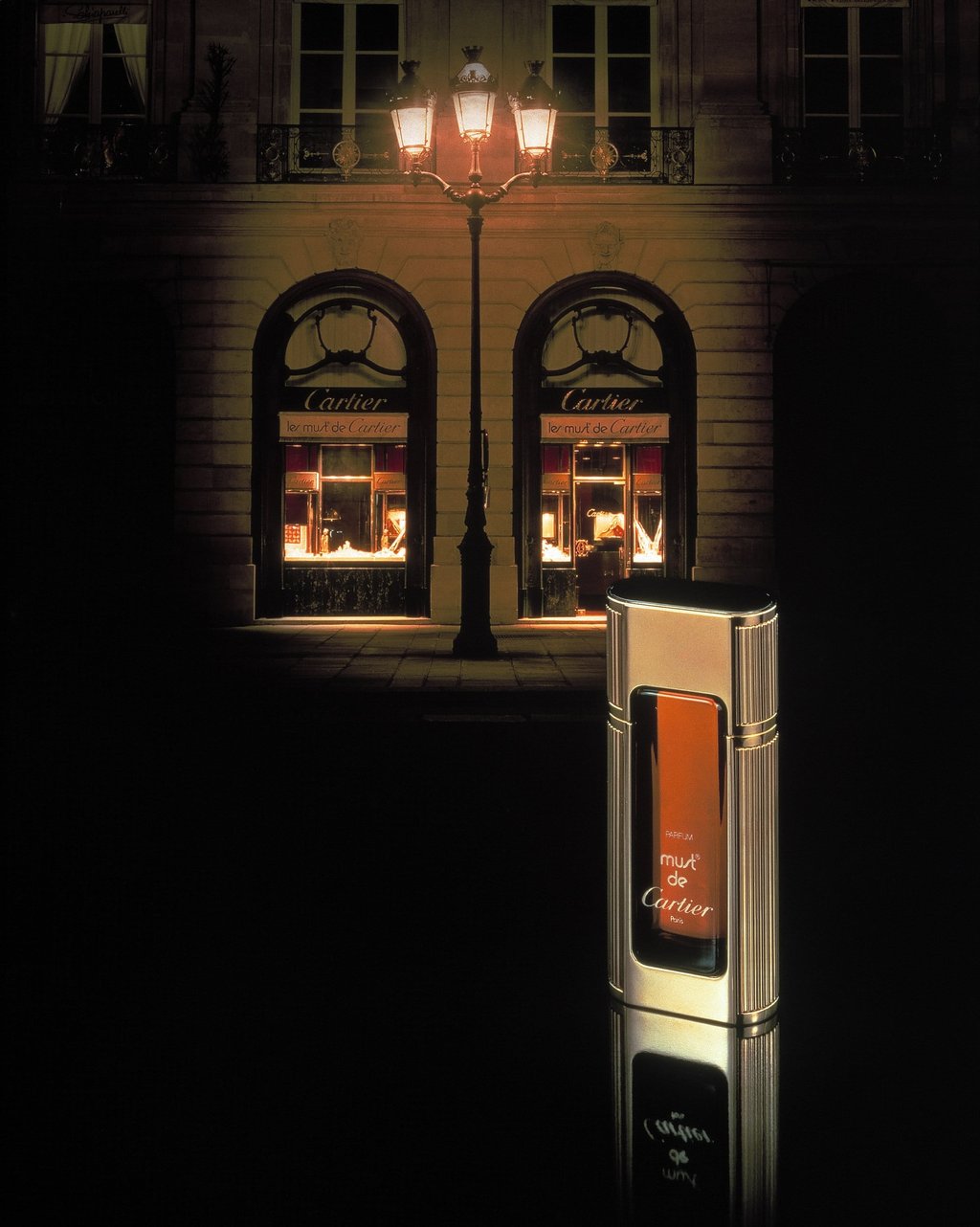
When Mathilde Laurent joined Cartier in 2005, the jeweller had no proper fragrance department. Although Cartier had achieved relative success with Must de Cartier – its first fragrance, unveiled in 1981 – and the now-discontinued Le Baiser du Dragon, she became the maison’s first dedicated in-house perfumer.
This gave Laurent carte blanche to come up with an identity for Cartier’s fragrance universe while also revisiting the codes of the maison, as she explained in an interview in Paris.
Her laboratory, where all Cartier fragrances are created, is located in the heart of the city, a stone’s throw away from Place de la Concorde on the chic Rue du Faubourg-Saint Honoré. Perched on a low-slung chair, on the terrace where she likes to meditate in the morning before starting work, Laurent is visibly excited to talk about her journey with the brand.
Advertisement
Must de Cartier – the maison’s first fragrance – was launched in 1981. Photo: Handout
“What I saw is that, as an in-house perfumer, I could strengthen the link with the maison. There were good perfumes connected to it, but I thought we could have a stronger and wider link with the house and deepen [the connection] with the know-how of jewellery making,” she explains.
She recalls how, when she first joined Cartier, her department was so small that she worked in the same office as the jewellers and watchmakers, which gave her unprecedented access to the inner workings of the ateliers. “I discovered so many things; everything was new to me,” she says. “Coming from [fragrance maker] Guerlain, I [had been] only focusing on perfume, so I learned about gemstones, pearls, the Cartier style.”
While Laurent didn’t delve into the archives from day one, preferring to talk to her colleagues and learn first-hand about the art of jewellery making, she had a clear understanding of the house’s unique DNA. “It’s difficult to summarise the Cartier style because it’s an addition of many things … It begins with audacity,” she says. “You don’t choose your ingredients according to a trend, for example. You always … begin with the house, and then you let your brain sparkle and, with your intuition, you look for ingredients that tell a story.”
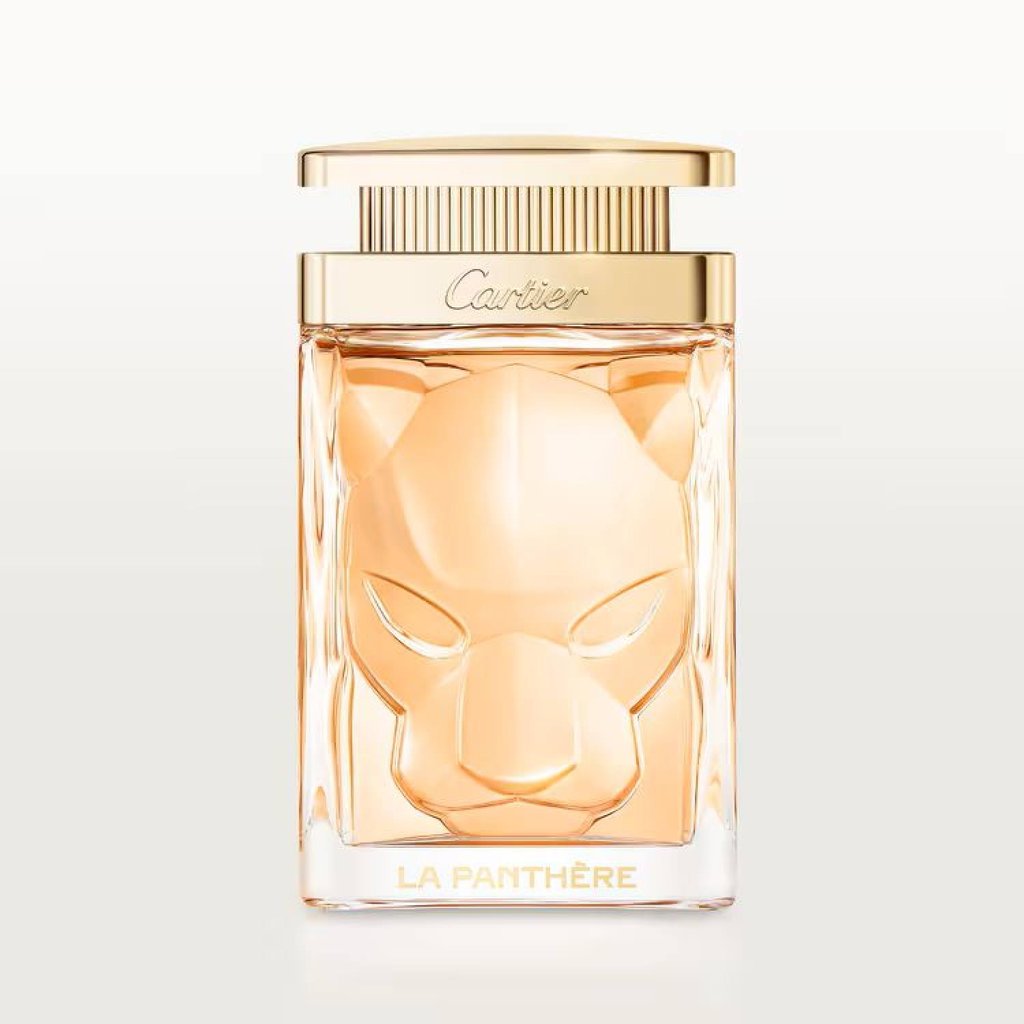
Cartier La Panthère fragrance. Photo: Handout
One of the stories she wanted to tell was that of the panther, arguably Cartier’s most recognisable symbol. She was surprised to find out that nobody at the maison had heard of the myth that the panther is the only animal that naturally emits a sweet-smelling scent. “When I arrived at Cartier, the house knew the panther perfectly, except for the olfactory side – and this side for a perfumer was huge,” she says. “All the perfumers know about this myth; there is a lot written about this.”
According to this legend, the panther – Laurent explains – is not simply a beguiling creature but a goddess, because perfume was said to be the sweat of the gods and the panther is the only animal to have a natural scent. “It was my job to bring this knowledge to the house,” she says. “And also my luck and my happiness and my joy.”
No marketing genius could have come up with a better story for the foundation of what would eventually become Cartier’s La Panthère range, launched in 2014. While the house had developed a panther-inspired fragrance previously, it was no longer being produced, so it was up to Laurent to shed fresh light on this remarkable icon.