Travellers’ ChecksInstagram-shattering 10-flight trip takes Hongkongers from world’s most northerly to most southerly airports
- Norwegian low-cost carrier has added Ushuaia, in southern Patagonia, Argentina to its network, allowing a 25-hour, three-stop journey there from Svalbard
- Hongkongers can take advantage for a round-the-world trip, flying via Helsinki to Svalbard, then from Ushuaia to Buenos Aires, Auckland, and home

From Hong Kong, you can fly Finnair to Oslo via Helsinki, then to Svalbard with Norwegian to get started. From Buenos Aires, Air New Zealand will get you back to Hong Kong via Auckland for the full north-to-south, round-the-world, 10-flight, Instagram-shattering odyssey.
When forty-something ‘young American girl’ Bessie Owen flew her own plane to Hong Kong
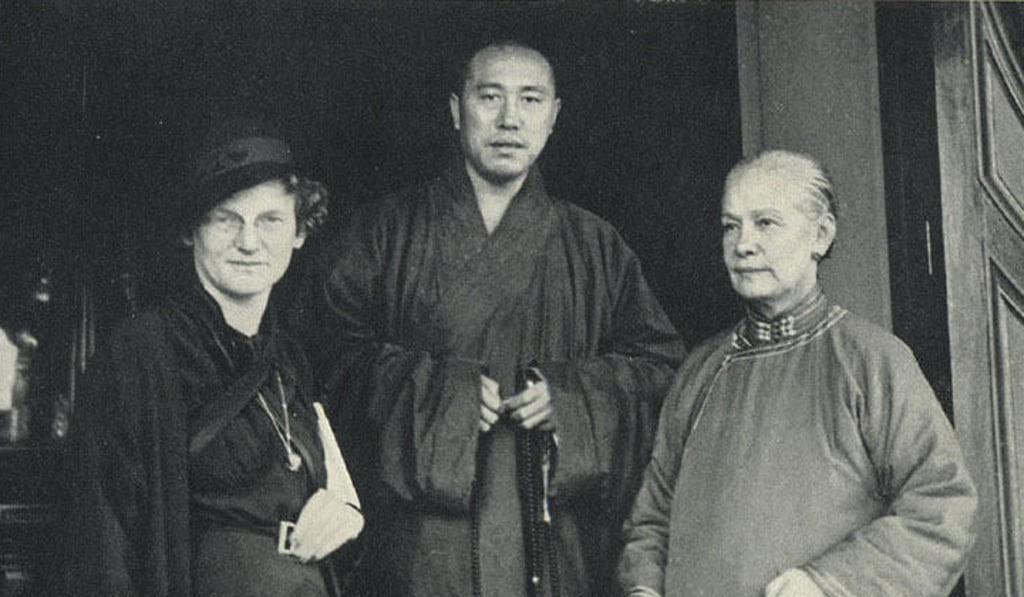
Enjoying what she called “the ideal holiday”, Bessie Owen arrived in Hong Kong on January 16, 1937. She was described in local press reports as a “young American girl”, but was in fact in her early 40s, and had flown herself, and her male mechanic, over from Europe in her own bright-red, four-seater Waco biplane. Their lunchtime arrival at Kai Tak made front-page news but coverage was limited, due to a horrific fire on the Kowloon Canton Railway that killed more than 80 people that same afternoon.
Owen stayed at the Gloucester Hotel, on the corner of Des Voeux Road and Pedder Street, where she was interviewed. The “young aviatrix” had, it was reported, “secured some wonderful photographs from the air of the mysterious Angkor Wat”. (Local interest in Angkor was perhaps unusually high that week, as film-goers were discovering “The World’s Weirdest Mystery Region” in a film called Angkor, showing four times daily at the Central cinema, in Sheung Wan.)
The self-described “American flying woman tramp” eventually wrote up her adventures and published her photographs in a book called Aerial Vagabond (1941), which was praised by one reviewer for being “a delightful recital of the exasperations of such an ambitious tour”.