World capital of tapestry, France’s Aubusson is a quaint, quiet peek into the past
Nestled in the heart of rural France, the traditions and trade of a medieval craft are alive and kicking

“You become mesmerised by the work and transported to another place of calm,” says France-Odile Perrin-Crinière. “It’s like a meditation.”
A weaver for 30 years, Perrin-Crinière runs the Atelier A2 workshop, in the narrow main street of Aubusson, a small town in the heart of rural France that revels in the title of “the world capital of tapestry”. Next door is an old wrought-iron market hall that is now half antiques store, half charcuterie – aromatic sausages vying for pride of place with musty furniture.
Slip through an archway next to A2 and along a time-worn alley and you come to the River Creuse, a gurgling stream of cola-brown water that is part of the tapestry story. The Creuse is acidic and its water is good for degreasing wool and fixing dyes. Along with the local sheep-farming, it was factors such as this that first brought weavers to Aubusson, in the 14th century.
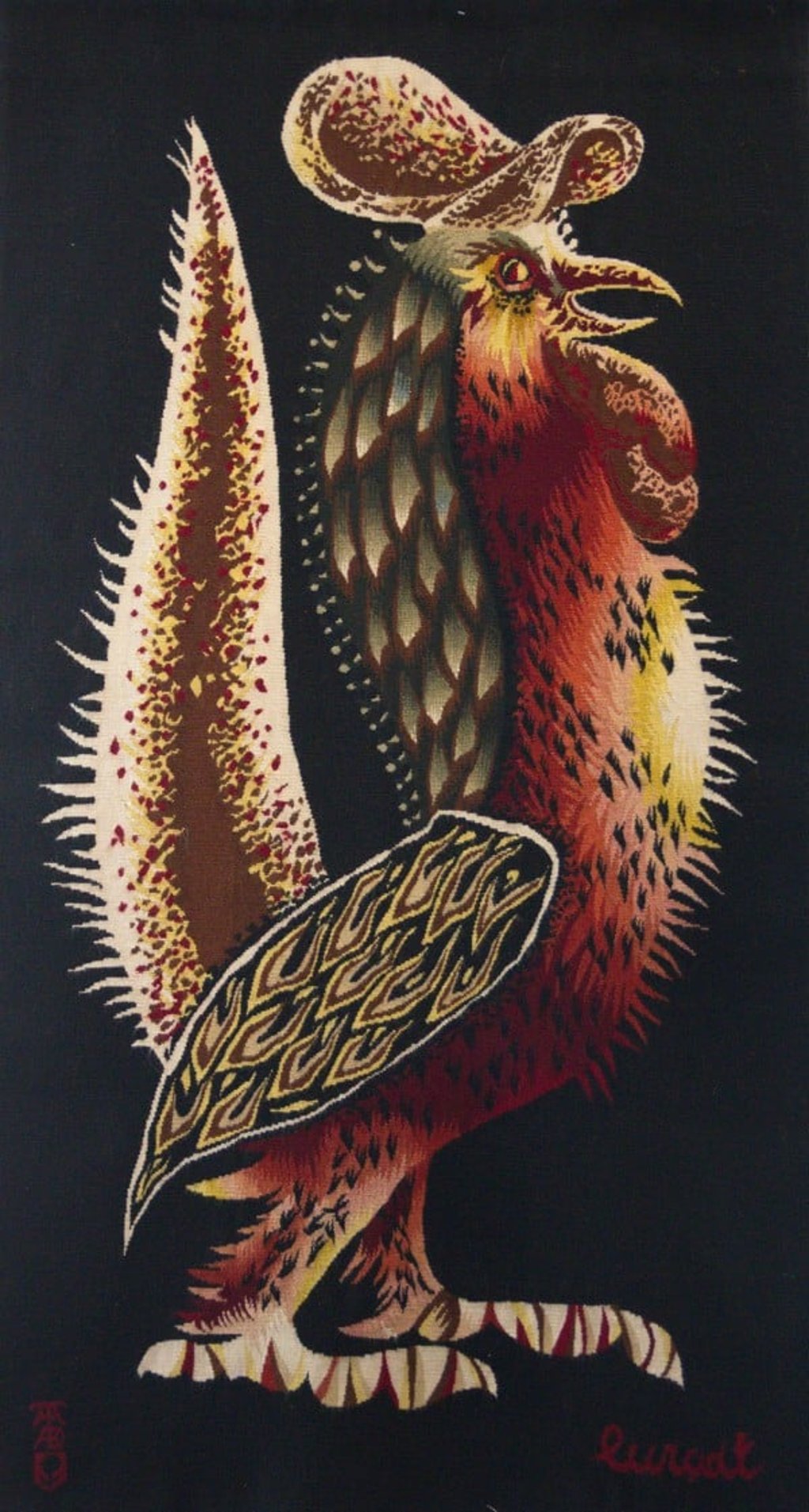
Stroll past old grey-stone houses facing the river, cross a bridge and you come to the Manufacture St Jean. The oldest tapestry maker in town, set up in the 17th century, St Jean’s stock room is a riot of colour, its shelves crammed with skeins of wool of every possible hue alongside multicoloured bobbins of silk arranged in racks. A treat at St Jean (at least until the end of October) is an exhibition room lined with the big – about three by two metres – brightly coloured tapestries of Jean Lurçat, full of stylised creatures, especially cockerels. A pivotal figure in the history of the art form, this painter came to Aubusson in 1937 and began designing modern-art tapestries. They sold well and the then moribund craft revived, with many more artists joining the trade.